Hamid Nouri: How Sweden arrested a suspected Iranian war criminal

By Joshua Nevett
BBC News, Published on 5 September

In the arrivals terminal of Stockholm Arlanda Airport, Swedish police were expecting someone significant.

On board a flight from Iran, they were told, was an alleged war criminal, an Iranian official named Hamid Nouri.

Unknown to him, police had been tipped off. Mr Nouri walked off the plane on 9 November 2019 and straight into custody.

A short time later, a Swedish official made a phone call to deliver a message: “You can go home now.”

The recipient of the call had been at the airport, nervously waiting for confirmation of the arrest. He was one of several people whose actions had made the arrest possible.

In interviews with the BBC, they each explained their role in an extraordinary case, of significance in Iran and internationally.

Never before has anyone been criminally prosecuted over the mass execution and torture of political prisoners in Iran in 1988. Mr Nouri was arrested and later charged over his alleged role, which he denies.

They invoked the international legal principle of universal jurisdiction to arrest Mr Nouri. He is currently on trial in Sweden.

These crimes were allegedly committed during the war between Iran and Iraq. As the war neared its end, Iran’s then supreme leader, Ayatollah Khomeini, ordered the execution of about 5,000 political prisoners.

Many were linked to the People’s Mujahedin of Iran, an opposition group allied to Iraq.

At the time, Mr Nouri was working in a prison near Tehran, prosecutors say.
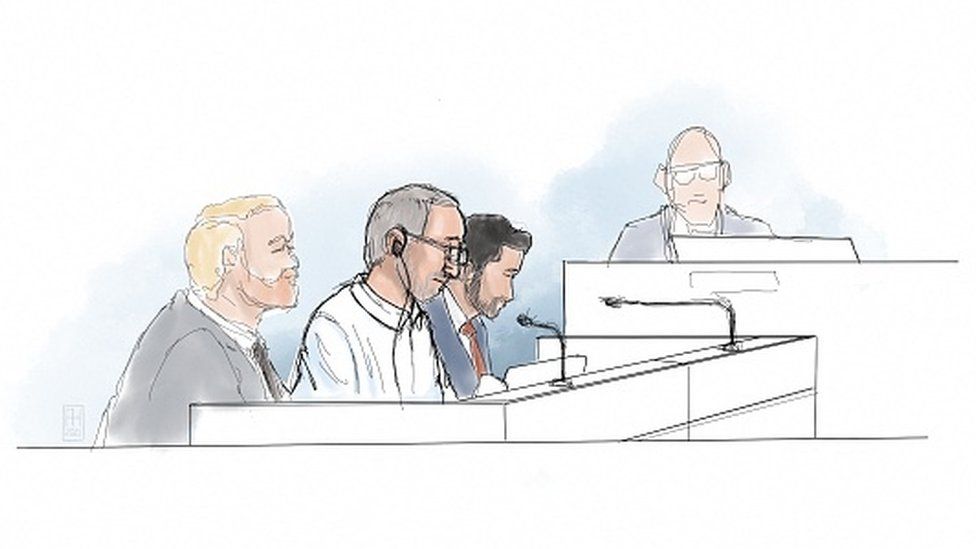
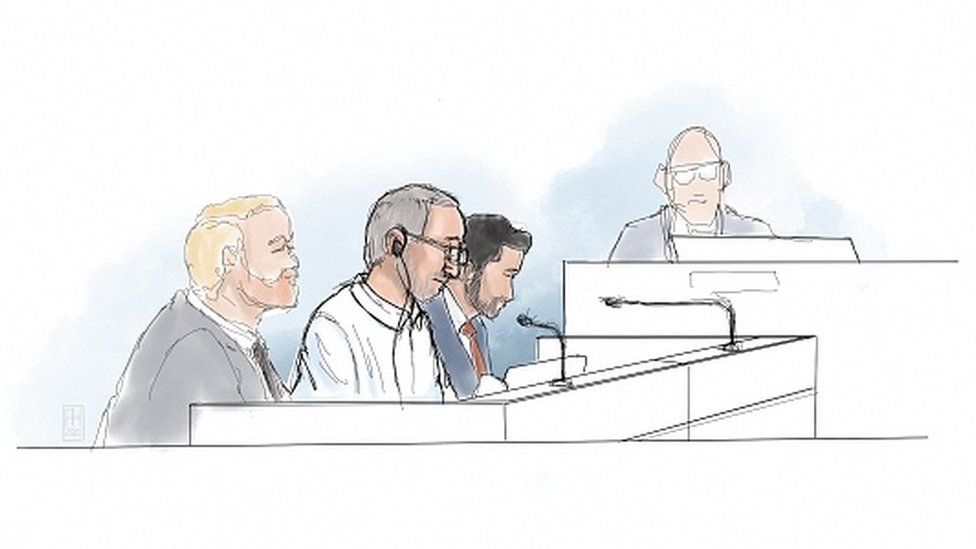
A courtroom sketch shows Iranian defendant Hamid Nouri sitting in the District Court of Stockholm
The trial of Mr Nouri (second from the left) at Stockholm’s district court opened in August

The case could raise uncomfortable questions for Iran’s new president, Ebrahim Raisi, who Amnesty International has named as a member of a “death commission” involved in the 1988 massacre.

It is also a watershed moment for human rights activists who have long campaigned for justice over the executions. Among them is Iraj Mesdaghi, a former Iranian political prisoner who survived the 1988 massacre.

He says he witnessed unspeakable crimes while imprisoned in Iran.

Etched into his memory, his experiences during that period have shaped his life since he left Iran in the 1990s. From abroad, he has been investigating human rights abuses in Iran ever since, hoping for a chance to bring the alleged perpetrators to justice.

When a potential opportunity arose in October 2019, he acted without hesitation.
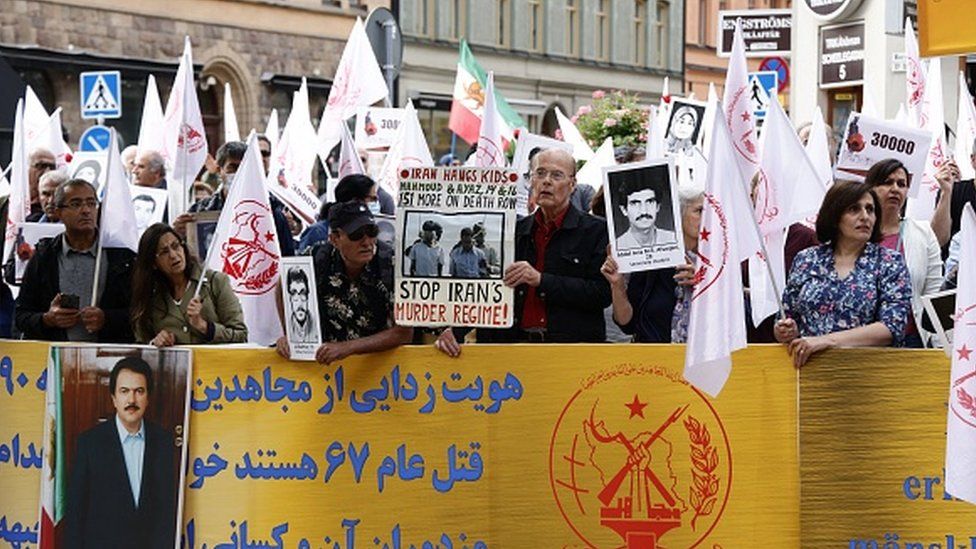
Supporters of an Iranian opposition group protest outside Stockholm's district court in Sweden
A large protest was held outside the courtroom in Stockholm on the day Mr Nouri’s trial began

Out of the blue, a source contacted Mr Mesdaghi with some information. An Iranian named Hamid Nouri was planning a trip to Sweden, the source said.

Mr Mesdaghi was familiar with the name. He knew exactly who to call.

Kaveh Moussavi is an experienced British-Iranian human rights lawyer. One conversation with Mr Mesdaghi and a meeting in London were all it took to convince Mr Moussavi to take on the case.

Years previously, he had informally agreed to help Mr Mesdaghi prosecute those responsible for the 1988 massacre in the West, should it be possible to do so.

Now, Mr Moussavi had to uphold his end of the bargain.

“The question was how to organise this with Swedish authorities and not let the cat out of the bag,” Mr Moussavi said.
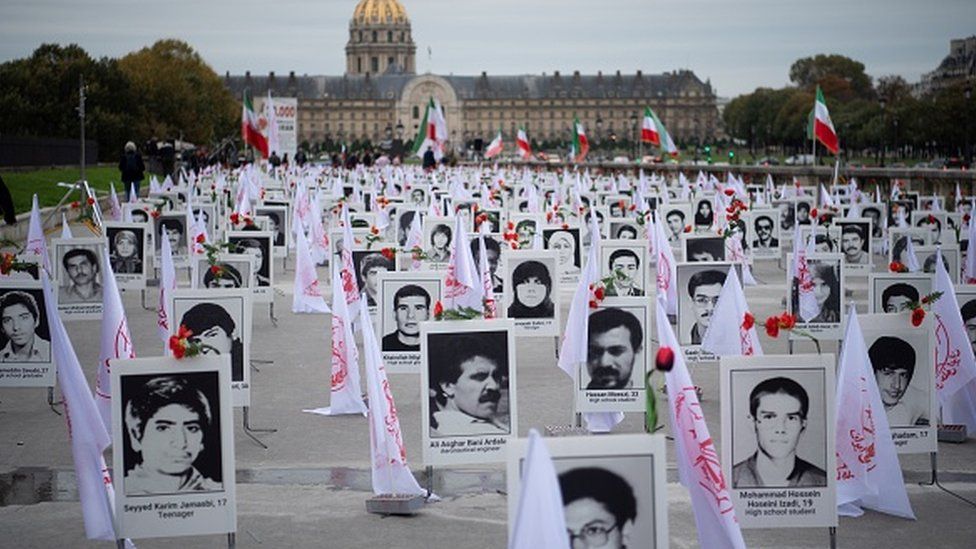
Some 800 portraits of victims of the 1988 massacre displayed in Paris in 2019
Iranian opposition activists commemorated execution victims in Paris in 2019

With the support of other lawyers, Mr Moussavi gathered witness testimony and prepared a criminal complaint. Meanwhile the source behind the tip-off – who did not wish to be named – shared details of Mr Nouri’s travel plans.

Mr Nouri was coming to Sweden for family reasons, but was led to believe he would be taking an extended trip to several European countries and a cruise as well, the source said.

Once the date of his flight was known, Mr Moussavi submitted his complaint to Swedish prosecutors.

The next step was the arrest, which Mr Moussavi was confident would be done under the rules of universal jurisdiction.

Universal jurisdiction rests on the idea that a national court can prosecute anyone for atrocities, regardless of where they were committed. For human rights lawyers, the concept has proved useful in holding war criminals to account.

The 1961 trial of Adolf Eichmann, the former Nazi bureaucrat who was prosecuted in Israel over his role in the Holocaust, is perhaps the most famous example. More recently, a German court convicted a former Syrian secret police officer for aiding and abetting crimes against humanity.

On 9 November, 2019, the principle would be exercised again, this time by Swedish prosecutors.
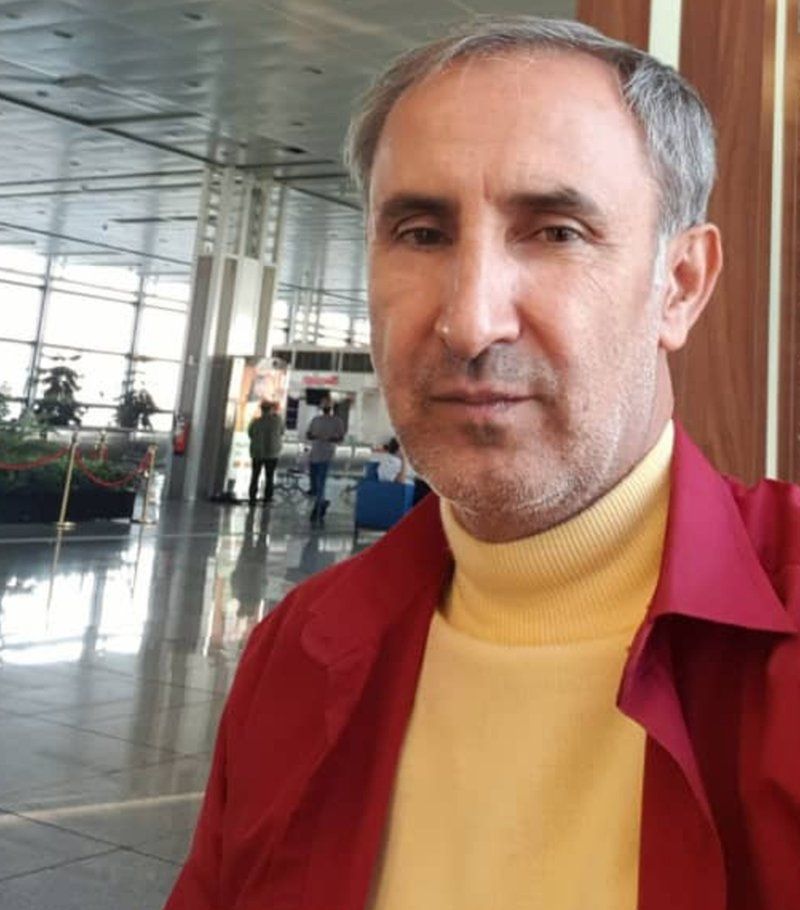
Hamid Nouri at the airport in Iran before he boarded his flight
Mr Nouri has denied the charges against him and insisted the allegations are a case of mistaken identity

“Until he was arrested I couldn’t believe it,” Mr Mesdaghi said.

Those doubts were put to rest by prosecutors. They would call Mr Mesdaghi to testify at Mr Nouri’s trial, which started almost two years later, on 10 August.

In court, Mr Mesdaghi recalled his experiences in Gohardasht Prison during the mass executions of 1988. He and other witnesses have implicated Mr Nouri.

On the contrary, his lawyers argue, Mr Nouri has been confused with someone else. They have questioned the credibility of the witnesses and their recollection of alleged events 30 years ago.

When the trial concludes in April 2022, the judges will decide which arguments convince them the most.
Nazi trial: 100-year-old SS guard in court in Germany

Published: 7 October by BBC

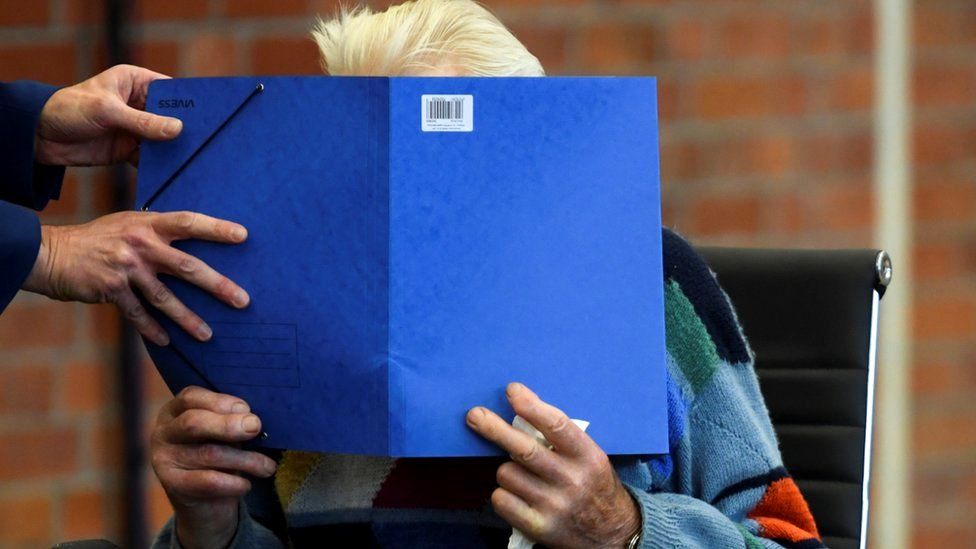
A 100-year-old former security guard of the Sachsenhausen concentration camp appears in the courtroom before his trial at the Landgericht Neuruppin court in Brandenburg, Germany, 7 October 2021
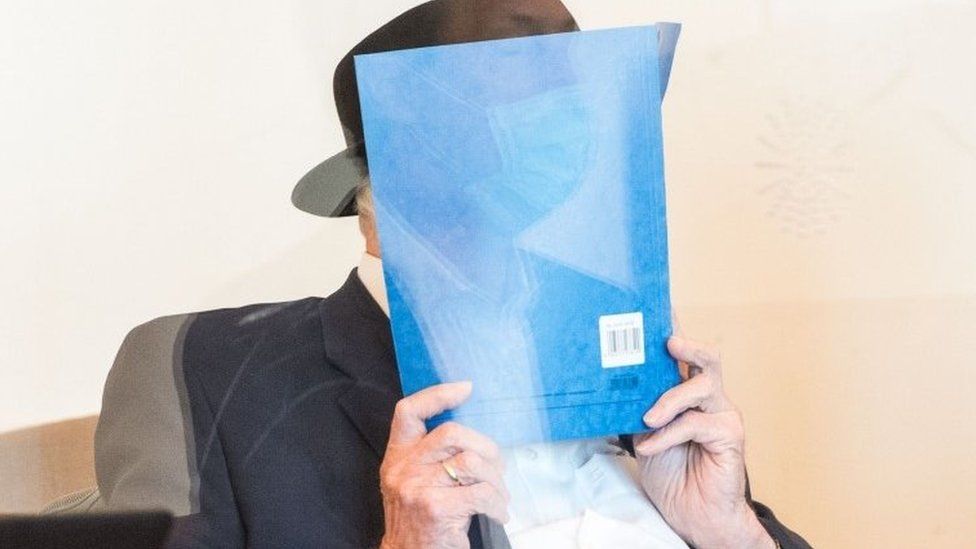
Image caption,Josef S, who was 21 when he first became a guard at Sachsenhausen in 1942, appears in court

Seventy-six years after the end of World War Two, a former concentration camp guard has gone on trial for assisting in the murder of 3,518 prisoners at Sachsenhausen near Berlin.

Josef S is accused of complicity in the shooting of Soviet prisoners of war and the murder of others with Zyklon B gas.

Time is running out for Nazi-era criminals to face justice and he is the oldest defendant so far to stand trial.

It was only in recent years that lower-ranking Nazis were brought to trial.

Ten years ago, the conviction of former SS guard John Demjanjuk set a precedent enabling prosecutors to charge people for aiding and abetting Nazi crimes in World War Two. Until then, direct participation in murder had to be proven.

Identified as Josef S, because of German privacy laws, the defendant was led into a specially adapted sports hall at a prison in Brandenburg an der Havel, where the trial began amid strict security.

He arrived outside the court in a wheelchair, clutching a briefcase, and entered with the aid of a walking frame. He shielded his face with a blue file to stop photographers getting a view.

Josef S has lived in the Brandenburg area for years, reportedly as a locksmith, and has not spoken publicly about the trial.

His lawyer, Stefan Waterkamp, told the court that the defendant would make no comment at the trial on the allegations against him. He would, however, speak about his personal circumstances at Friday’s hearing.

Josef S was 21 when he first became a guard at Sachsenhausen in 1942. Now almost 101, he is considered able to appear in court for up to two and half hours a day. The trial is due to continue until January.

Public prosecutor Cyrill Klement told the court of the systematic killings at Sachsenhausen between 1941 and 1945. “The defendant supported this knowingly and willingly – at least by conscientiously carrying out guard duty, which was perfectly integrated into the killing regime.”

Tens of thousands of people died at the camp in Oranienburg, north of Berlin, including resistance fighters, Jews, political opponents, homosexuals and prisoners of war.

A gas chamber was installed at Sachsenhausen in 1943 and 3,000 people were massacred at the camp as the war drew to a close because they were “unfit to march”. The prosecutor gave details of mass shootings and murders by gas, as well as through disease and exhaustion.

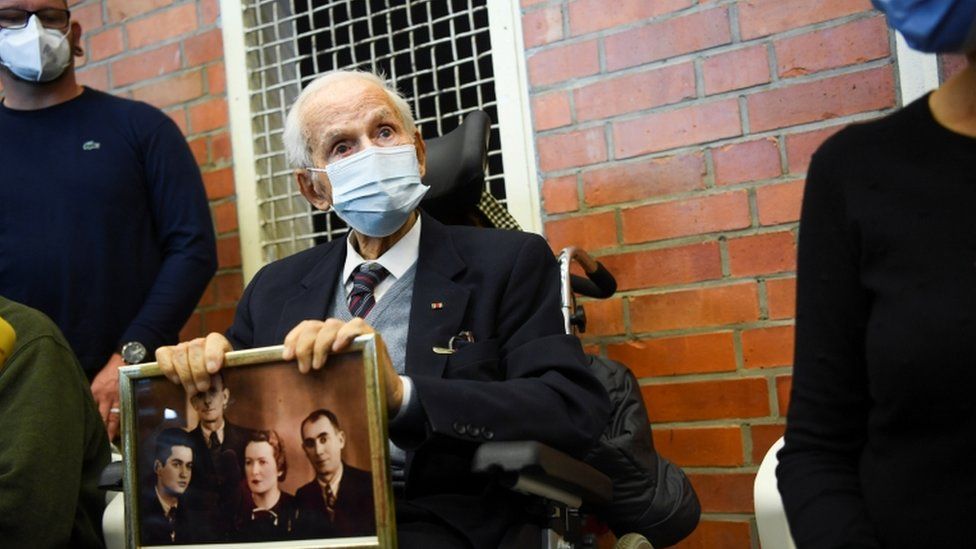
Holocaust survivor Leon Schwarzbaum holds a picture in the courtroom during a trial against a 100-year-old former security guard of the Sachsenhausen concentration camp, at the Landgericht Neuruppin court in Brandenburg, Germany, October 7, 2021
,Leon Schwarzbaum survived Sachsenhausen as well as Auschwitz and Buchenwald

Thursday’s trial was especially important for 17 co-plaintiffs, who include survivors of Sachsenhausen.

Christoffel Heijer was six years old when he last saw his father: Johan Hendrik Heijer was one of 71 Dutch resistance fighters shot dead at the camp.

“Murder isn’t destiny; it’s not a crime that can be legally erased by time,” he told Berliner Zeitung.

Leon Schwarzenbaum, who is a 100-year-old survivor of Sachsenhausen, said this was the “last trial for my friends and acquaintances and my loved ones who were murdered” and he hoped it would end in a final conviction.

There was widespread frustration at Josef S’s refusal to give evidence.

“For the survivors this is yet another rejection, just like it was in the camp. You were vermin,” said Christoph Heubner of the International Auschwitz Committee.

Thomas Walther, the lawyer acting for the co-plaintiffs, said he was not surprised but hoped he would change his mind.

Most Nazi camp guards will not face trial.

Bruno Dey holds a folder in front of his face in court on 23 July 2020
Image caption,Nazi SS guard Bruno Dey was convicted last year of complicity in 5,000 murders

There were 3,000 guards at Stutthof concentration camp alone, and only 50 were convicted. Bruno Dey was convicted of complicity in mass murder there last year and given a suspended sentence,

Only last week, a Nazi secretary at the Stutthof camp, Irmgard Furchner, was due to go on trial north of Hamburg but escaped from a nursing home hours beforehand.

She was eventually caught in Hamburg and her trial was rescheduled for 19 October. She was released from custody earlier this week.

Trial over murder of ‘Africa’s Che Guevara’ opens in Burkina Faso

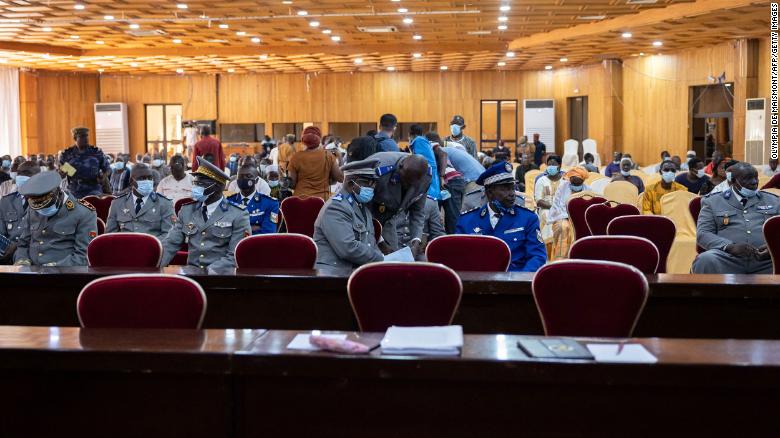
(CNN) – The trial of 14 people accused of plotting to assassinate Burkina Faso’s former president Thomas Sankara started on Monday, more than 30 years after he was gunned down in one of the most infamous killings in modern African history.

Sankara – a charismatic Marxist revolutionary widely known as “Africa’s Che Guevara” – was killed in 1987 during a coup led by his former ally Blaise Compaore.

Compaore, the main defendant, was charged in absentia in April with complicity in the murder. He is living in exile in neighboring Ivory Coast and has always denied any involvement in Sankara’s death.
“It is a moment we have been waiting for,” Sankara’s widow, Mariam Sankara, told journalists as she arrived at the hearing.

She told the BBC earlier on Monday she was hoping the trial would shed light on the deaths of 12 other people on the day of the coup.

“It is important to all these families,” she said. “This trial is needed so that the culture of impunity and violence that still rages in many African countries, despite the democratic facade, stops indefinitely.”

Compaore’s former head of security, Hyacinthe Kafando, is also being tried in his absence. Twelve other defendants are due to appear in front of military tribunal in the Ouaga2000 conference center in Ouagadougou. They have pleaded not guilty.

More than 100 journalists from across the world packed into the conference center at the start of the hearing.
Thomas Sankara seized power in a 1983 coup at the age of 33 with promises to tackle corruption and the dominance of former colonial powers.

The former fighter pilot was one of the first African leaders to raise awareness about the growing AIDS epidemic. He publicly denounced the World Bank’s structural adjustment programs and banned female circumcision and polygamy.
Sankara won public support with his modest lifestyle, riding to work on a bicycle during his time as a minister and selling the government’s fleet of Mercedes vehicles when he was president.

But critics said his reforms curtailed freedoms and left ordinary people in the landlocked West African country little better off. Compaore had previously said that Sankara jeopardized foreign relations with former colonial power France, and with neighbor Ivory Coast.

Compaore moved to Ivory Coast after he was himself overthrown in 2014. His lawyers said on Friday that he would not attend the trial, and Ivory Coast has refused to extradite him.

HRA Hosts ‘A Way Forward’, a Virtual Panel on Role of Diplomacy in Human Rights Work

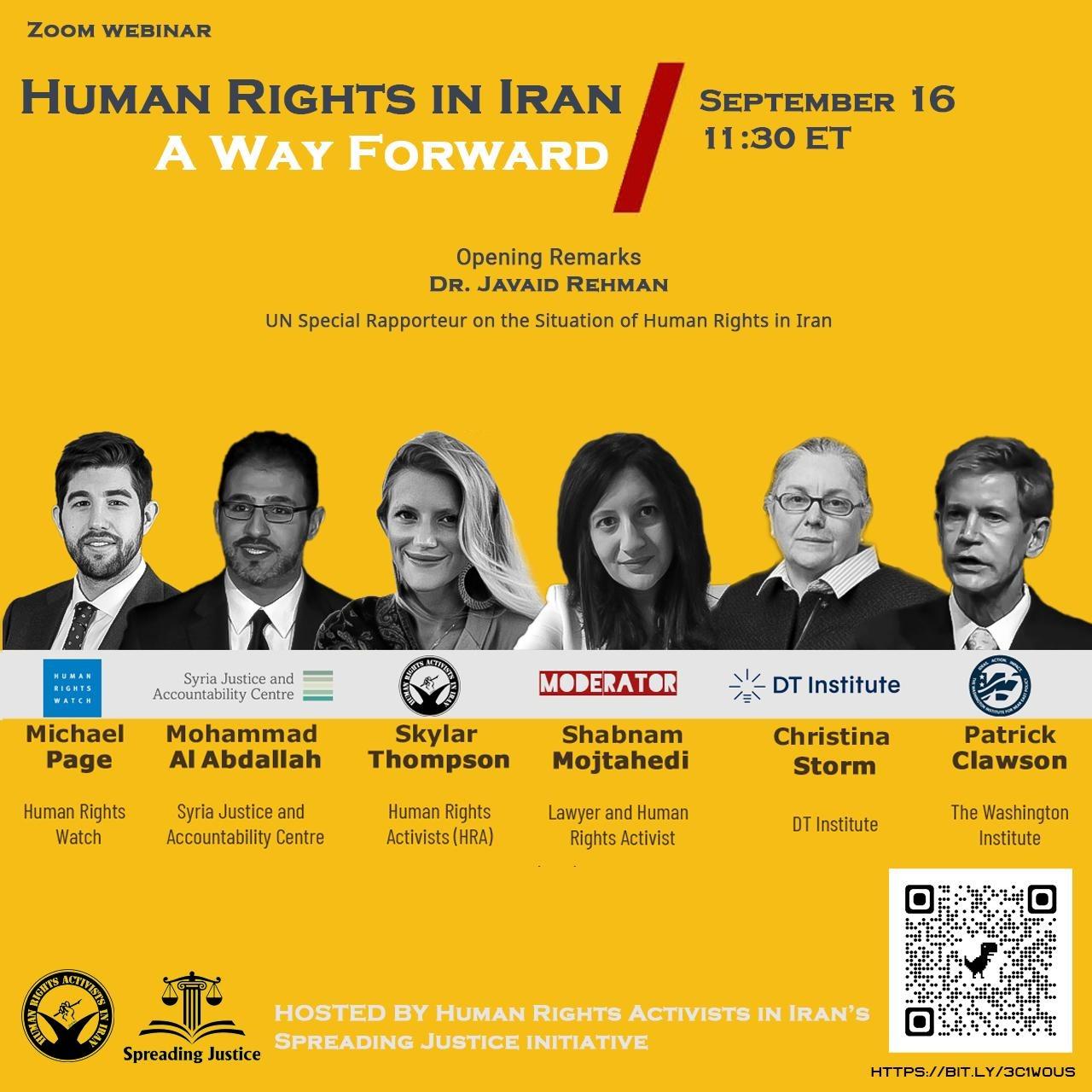
On Thursday, September 16, HRA hosted “A Way Forward”, a virtual discussion on the role of diplomacy in advancing the goal of promoting human rights in Iran. The event, which had over 100 participants, was moderated by lawyer and human rights activist Shabnam Mojtahedi, and panelists included representatives from a number of prominent human rights organizations.

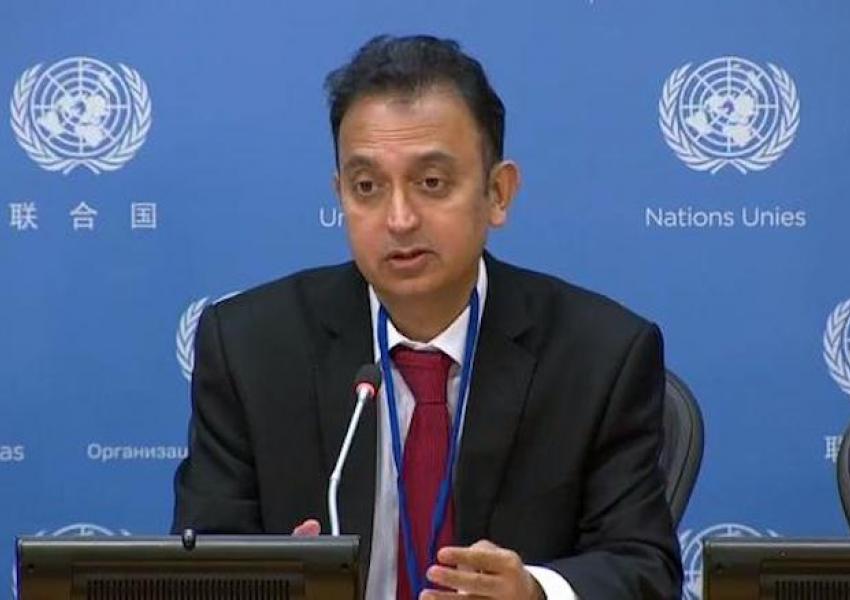
Dr. Javid Rehman, UN Special Rapporteur on the situation of human rights in Iran, delivered the event’s opening remarks, in which he highlighted the importance of protecting and promoting a more free civil sector, and emphasized the extent to which human rights and civic freedom go hand in hand.

“We can see around the world that in countries where there is a dynamic and free civil society, there is better protection of human rights,”
Javaid Rehman
Special Rapporteur on the situation of human rights in the Islamic Republic of Iran


“We can see around the world that in countries where there is a dynamic and free civil society, there is better protection of human rights,” Rehman said. “In Iran, civic space is under significant constraint. Civic space actors, such as human rights lawyers, defendants, and journalists are targeted, harassed and excluded. Moreover, the channels for political participation are by law severely restricted and manipulated, to the extent that they prevent meaningful participation.”

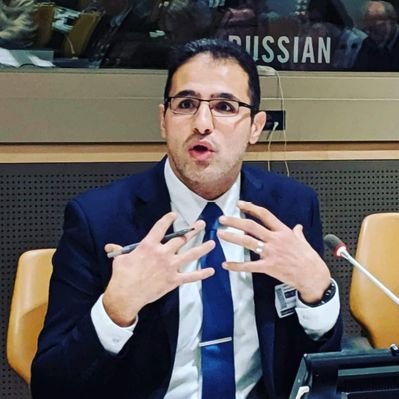
Mohammad Al Abdallah, Syrian rights activist and Director of the Syrian Justice and Accountability Center, spoke on the culture of impunity in the Middle East, and the ways in which widespread human rights violations can become normalized in a region over time. 

“When you don’t have a well-designed policy that is consistently related to human rights in the region, that will be interpreted as a green light. ‘Go ahead, we don’t care, nobody is looking,’ ”

There was a particular emphasis throughout the discussion, from several of the panelists, on the effectiveness of accountability and rights work on a granular level. Between holding individual violators accountable and working with individual victims, activists and small organizations can make a tangible difference in the communities they oversee.


“When you don’t have a well-designed policy that is consistently related to human rights in the region, that will be interpreted as a green light. ‘Go ahead, we don’t care, nobody is looking,' ”
Mohammad Al Abdallah
Director, Syria Justice & Accountability Centre
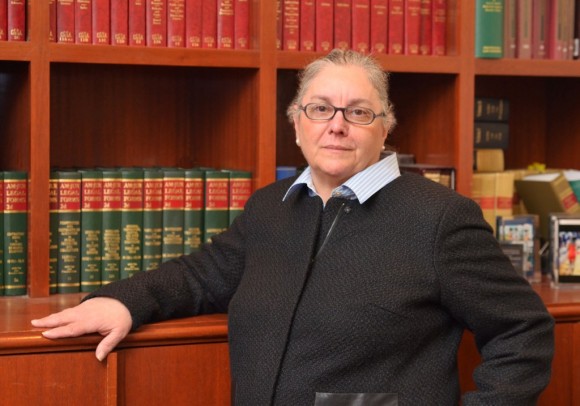
“My work has been focused on how to leverage internationally protected rights, and in particular Iran’s international obligations and commitments in a local/domestic context"
Christina Storm
Director of law division of DT institute/ founder of lawyers without borders

Panelist Christina Storm, who now serves as director of the rule of law division of the DT institute, started her career as a trial lawyer where she founded Lawyers Without Borders. Through this organization, she spent 20 years harnessing lawyers around the world to advance human rights on local and international courts, and most of that work happened at an individual level.

“My work has been focused on how to leverage internationally protected rights, and in particular Iran’s international obligations and commitments in a local/domestic context,” Storm said. 

Panelist Michael Page, who serves as deputy director in the Middle East and North Africa division at Human Rights Watch (HRW), proposed that three ways the US can further goals of human rights in Iran are adopting a ‘Do no harm’ approach, building multilateral pressure on human rights issues in coordination with Iranian policy, and holding Iranian officials accountable outside of the country.

On the subject of accountability, discussion attendant Hamed Esmaeilion asked how human rights organizations can better support the victims of Ukraine International Airlines Flight 752, which was shot down by the IRGC, killing over 170 people, and then covered up by the Iranian government.

Page spoke on organizations’ capacity to push for domestic accountability. “We need to show […] if there has been any domestic accountability for what has happened,” Page said. “The short answer is [that there has] not, but I think that’s the first step.”

Meanwhile, Al Abdallah pointed out the work that can be done in providing resources and relief to the affected families, in what he calls a ‘victim-centered approach’.

“Part of the work that human rights organizations can do is supporting the families and helping them better frame their policy demands with member states,” Al Abdallah said, “as well as encouraging diplomats to meet with the families.” 

Several participants asked questions relating to sanctions, and panelists touched on a number of ways in which broad sanctions end up having harmful effects on the countries whose human rights violators they purport to be holding accountable.

“Broad Sanctions in Iran have contributed to serious hardships for ordinary Iranians,” Page said. “Working with businesses and civil society, I think the Biden administration should, as a starting point, seek to mitigate the negative impact of broad sanctions including this issue of ‘over-compliance’, in which companies refuse to sell goods or services to people in Iran because of the risk of sanctions, even though those goods and services have humanitarian exemptions.”


"Broad Sanctions in Iran have contributed to serious hardships for ordinary Iranians"
Michael Page
Deputy director in the Middle East and North Africa division at HRW

On a related thread, panelist Patrick Clawsen, a senior fellow at Washington institute, pointed to the US-sponsored sanctions with Swiss and South Korean governments, which were designed to facilitate Iranians’ access to humanitarian goods.

“None of these have worked,” Clawson said. “A major issue is that the Iranian Authorities have decided that they have adequate access to humanitarian goods through the channels they are now using, which can best be described as evading the sanctions. And they find it easier to use barter and other means (…) rather than going through the quite-onerous requirements.””

“A major issue is that the Iranian Authorities have decided that they have adequate access to humanitarian goods through the channels they are now using, which can best be described as evading the sanctions."
Patrick Calwson
Director of Research at the Washington Institute
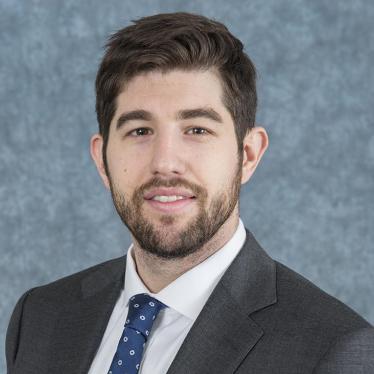
"There needs to be a broad expansion of the use of targeted sanctions regimes, (...) Targeting individuals has proven to be a more effective policy than targeting institutions,"
Skylar Thompson
Senior Advocay Cordinator at HRA

Thompson suggested an increased emphasis on holding individual violators accountable, rather than further investing in these broad economic sanctions that have historically proven so ineffective. 

“There needs to be a broad expansion of the use of targeted sanctions regimes,” Thompson said. “Targeting individuals has proven to be a more effective policy than targeting institutions,”


Rehman additionally called for creative solutions, on the part of both NGO’s and governmental organizations, in working to integrate principles of human rights into every level of the civic process. 

“As part of the rule of international law, It is imperative that human rights be a part of every bilateral and multilateral discussion, not just with Iran, but with all countries. “

9/16 11:30ET: Spreading Justice presents a virtual panel discussion; Human Rights in Iran: A Way Forward

Event Ended: 2021/9/16 11:30ET: Shabnam Mojtahedi will moderate a timely discussion on the role of diplomacy in advancing respect for human rights in Iran. Panelists will explore how the international community can prioritize the promotion and protection of human rights principles in current and future diplomatic engagements with Iran. The discussion will also seek to address the challenges of engagement with Iran as figures like Ebrahim Raisi, a known and serious rights abuser, occupy top positions of power and how tools like Spreading Justice Can be tools for accountability.

Join distinguished speakers Michael Page, Mohammad Al Abdallah, Patrick Clawson, Christina Storm, and Skylar Thompson with United Nations Special Rapporteur on the Situation of Human Rights in Iran, Dr. Javaid Rehman.

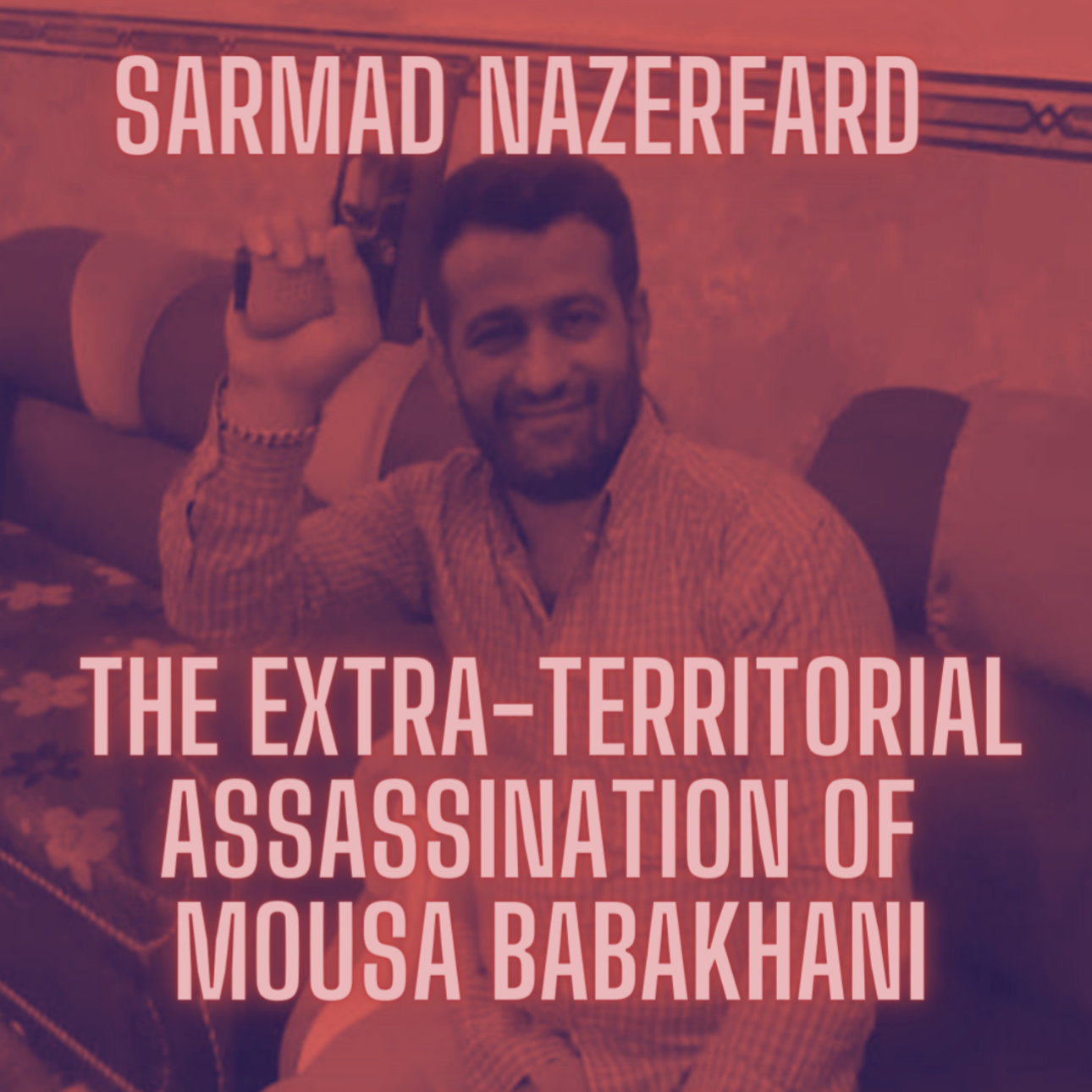
The Extra-Territorial Assassination of Mousa Babakhani


Human Rights Activists in Iran’s Spreading Justice team (HRA-SJ) has identified and profiled Sarmad Nazerfard as the individual responsible for the assassination of Mousa Babakhani in Iraqi Kurdistan.

Mousa Babakhani was a member of the Central Committee of the Kurdistan Democratic Party (KDP), a known opposition party of the Islamic Republic. Nazerfard is believed to have assassinated Babakhani before fleeing to Iran.

The Assassination

According to sources close to HRA, it is believed Nazerfard was commissioned by the security services of the Islamic Republic, namely the Revolutionary Guards Intelligence Organization.

Erbil police and third party news sources have confirmed that Nazerfard shot and killed Babakhani in an Erbil hotel on August 6th, 2021. An informed source stated to HRA-SJ, The room where Mousa Babakhani’s body was found is a room registered to Nazerfard, who is also wanted by the Erbil police.”

Sources revealed to HRA-SJ that Babakhani traveled to Erbil to meet with Nazerfard. The two were in contact the night preceding the assasination.

Nazerfard allegedly stayed at the Goli Soleimani Hotel for eight months and had been in contact with Mr. Babakhani for several years, working to gain his trust. According to Ismail Sharafi, a member of the Central Committee, Mr. Babakhani believed that Nazerfard was a friend.

Hotel staff testified that Mousa Babakhani entered the hotel on his own and reported directly to Nazerfard’s room. Nazerfard reportedly confiscated Babakhani’s personal belongings, including  his mobile phone. Sourced believe Nazerfard carried the belongings with him upon fleeing to Iran.

Nazerfard Flees to Iran

It is believed that Nazerfard entered Iran via the Iraq-Iran border at Khanaqin. According to the Iraqi Kurdistan Regional Security Agency, in Erbil, Sarmad Nazerfard travelled to the border town of Khanaqin after leaving Babakhani.

According to the KDP, “Nazerfard was not a member of the Peshmerga or even a member of the party and his relationship with Mousa Babakhani was not a party affiliation at all.” The source continued,  “Sarmad’s name does not exist in any of the party’s organizational records.”

Who is Sarmad Nazerfard?

Born in Baghdad, Nazerfard, immigrated to Iraq at least four years before fleeing to Iran. Kamal Karimi, a member of  leadership of the KDP, confirmed in an interview with the judiciary that the history of Sarmad Nazerfard’s presence in Erbil dates back at least four years. According to Karimi, “Sarmad Nazerfard, also known as Saman Abdi and Sarmad Abdi in Erbil, had been in friendly relations with Mr. Babakhani after arriving in Erbil and had met him regularly.”

According to Kamal Karimi, Sarmad Nazerfard regularly traveled to Iraq and Khanaqin and always claimed that he was going to Baghdad to visit his father. According to Karimi, Sarmad even told the hotelier when he was about to leave the hotel after Babakhani’s assassination that he had to go to Baghdad immediately to visit his father.

The Role of the IRGC

There is a long history of IRGC commission murders in Iraqi-Kurdistan.

A member of KDP leadership stated, “Although we do not have reliable information about Nazerfard’s relationship to Iran’s security agencies, the Revolutionary Guards have previously carried out such work, and through this agency, people from Iran are given missions.” “They have previously come to Kurdistan to carry out sabotage and assassination.” Nazerfard, and those believed to have commissioned his services must be held accountable.

Extra-Territorial Assassinations

Extra-territorial targeted killing outside of war is a violation of international human rights law prohibiting the arbitrary deprivation of life. “Iran has long practiced extra-territorial assassinations against dissidents abroad. This illegal practice of state-sanctioned targeted killing must be condemned by the international community and perpetrators must be brought to justice,” said Skylar Thompson, Senior Advocacy Coordinator at HRA-SJ.

More information on Nazerfard can be found via this link to his unique Spreading Justice profile. If you have any additional information on Nazerfard you can anonymously submit to HRA-SJ  here. 

—–

For media inquiries please contact HRA Senior Advocacy Coordinator Skylar Thompson at [email protected]FacebookTwitterEmailShare

HRA Joins 10 Other Human Rights Groups in Calling on UN Representatives to Protect Human Rights

According to HRANA, the news agency of Human Rights Activists, several rights organizations have written a statement calling for increased accountability from UN representatives in Iran

Human Rights Activists in Iran (HRA) has joined 10 other organizations in urging UN Secretary General Antonio Guterres, UN Resident Coordinator Stefan Priesner, and a number of county directors of UN agencies in Iran to uphold the UN’s promise to prioritize human rights and commit to “use all leverages they have to promote and protect human rights in the framework of their fieldwork activities in Iran”.

The statement demands that, in order to ensure accountability from UN representatives, the signatory organizations be directly involved in the oversight process, and outlines the ways in which current endeavors to work with the Islamic Republic have failed to sufficiently highlight human rights.

“We regret that the current UN Development Assistance Framework (UNDAF), signed between the Islamic Republic of Iran and 15 UN agencies in 2015, had marked the UN system’s failure to acknowledge and address core human rights issues as part of its activities in Iran,” the statement reads.

The letter concludes that the first step towards adhering to the above values is to “consult, involve, and listen to the input from independent human rights monitors both within and outside the country”.

HRA publishes book on History, Obstacles, and Achievements

"To all those who sacrificed to advance the rights of others. To those who went to prison, into exile, to our mothers- who were our first human rights teachers, to those who died in love along the way. To Jamal Hosseini, Farzad Kamangar, Michael Cromartie, Taher Elchi, Ali Ajami"

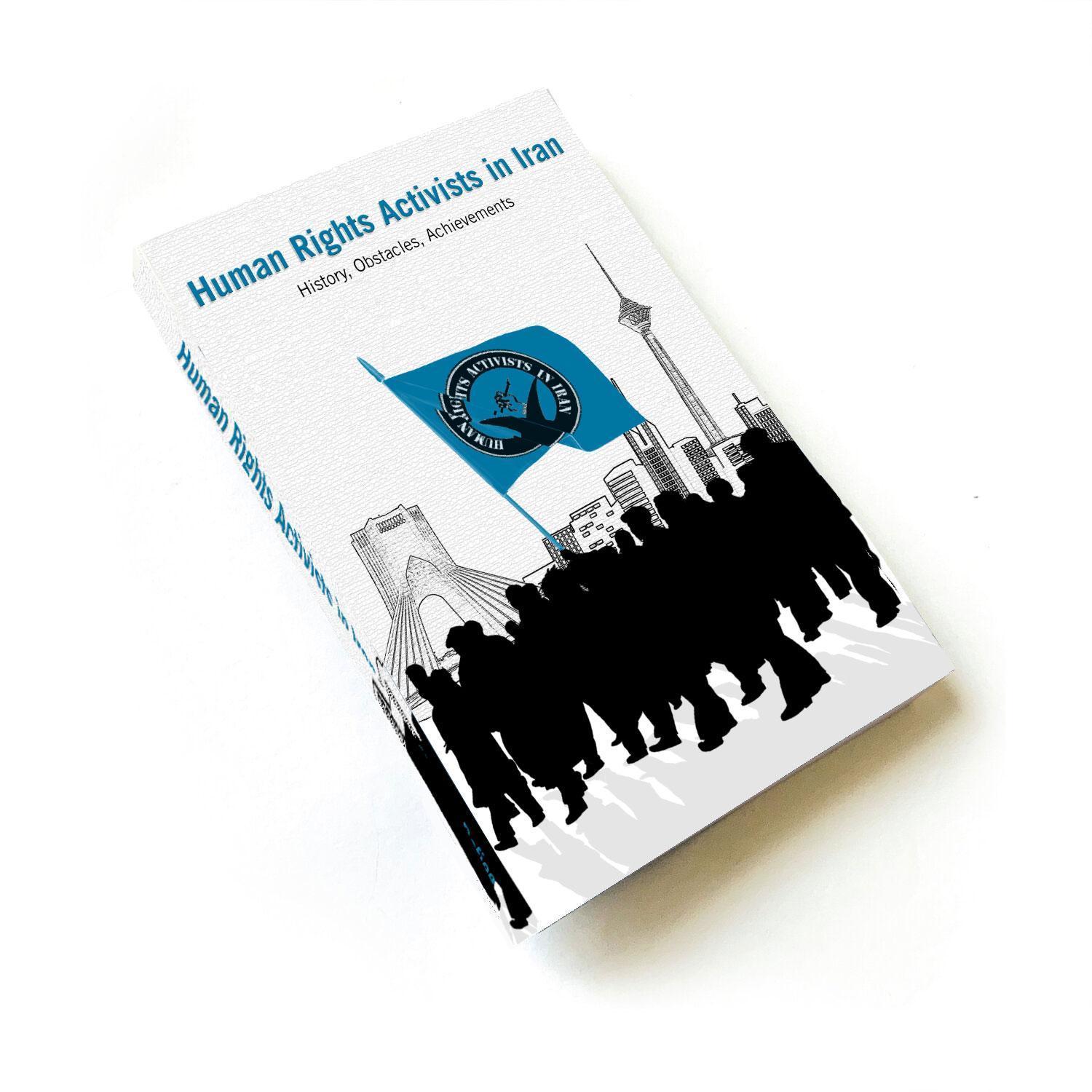
Human Rights Activists in Iran is pleased to announce the forthcoming August 30th release of ‘Human Rights Activists in Iran: History, Obstacles, Achievements’ now available for pre-order at Barnes and Noble.

Human Rights Activists in Iran (HRA) has been documenting abuses and advocating for the rights of victims inside of Iran since 2006. Founded by Director Keyvan Rafiee, the organization has grown from grassroots activism to a multi-divisional non-profit organization headquartered in Washington D.C. USA. Today, HRA is one of the oldest operating organization focused on human rights in Iran and boasts the largest network of in-country volunteers. 

The story of HRA is fraught with struggle; members have worked tirelessly to promote respect for human rights and have consequentially faced imprisonment, exile, and death. 

Human Rights Activists in Iran: History, Obstacles, Achievements is dedicated “To all those who sacrificed to advance the rights of others. To those who went to prison, into exile, to our mothers-  who were our first human rights teachers, to those who died in love along the way. To Jamal Hosseini, Farzad Kamangar, Michael Cromartie, Taher Elchi, Ali Ajami”

The opening chapter, written by Keyvan Rafie, tells the story of how HRA was formed during a time when he and his founding colleagues were imprisoned. He reflects on the challenges, widespread as they were, including a lack of technology, citing a time before the widespread availability of the internet in Iran, as well as targeted harassment. Determined to create an organization that would stand the test of time, he writes: 

“We realized that without planning, discipline, and a coherent structure, there was no hope for our survival. By studying and by gaining experience [in human rights], we were able to develop certain principles... The lack of any of [these principles] would have meant the end of our activism.”

Keyvan also notes core principles that were established at the organization’s founding, principles that continue to lead HRA today: being youth-led, maintaining a social base inside the country, and the principle of non-discrimination, among others. The book features sections dedicated to HRA members that have lost their lives as a result of their dedication to human rights, including Farzad Kamangar, executed at the hands of the regime, and Jamal Hosseini, who lost his life while working in exile.

Human Rights Activists in IRan

Throughout the book, prominent human rights activists, lawyers, and community leaders share their stories and experiences of both being part of HRA and witnessing its work, in the hopes of inspiring future generations of activists. They include:

  • Keyvan Rafiee – Founder and Director of Human Rights Activists in Iran
  • Behrouz Sadegh Khanjani – Head of the Iranian Church organization and a former prisoner of conscience
  • George Haroonian – Iranian-American Jewish human rights activist
  • Simin Rouzgard – Former Editor of Peace Mark Magazine
  • Ladan & Roya Boroumand – Founders and directors of Abdorrahman Boroumand Center
  • Rezvaneh Mohammadi – A Gender and Sexual Minorities activist who was sentenced to 5 years because of her activism
  • Shahed Alavi – Journalist and Kurdish rights activist
  • Habibollah Sarbazi – Journalist and founder of the Baloch Activists Campaign
  • Shirin Ebadi – Lawyer, founder of Defenders of Human Rights Center in Iran, a former judge who received the Nobel Prize for Peace in 2003
  • Kavian Sadaghzadeh Milani – Founder of the Center for Health and Human Rights, Baha’i rights activist
  • Simin Fahandaj – Spokesperson for the Baha’i International Community
  • Dian Alaei – The Baha’i International Community representative
  • Kouhyar Goudarzi – Journalist and co-founder of the Committee of Human Rights Reporters
  • Hossein Raeesi – Lawyer and author
  • Hadi Ghaemi – Founder of the Center for Human Rights in Iran
  • Dr. Abdolkarim Lahiji – Lawyer and President of the International Federation for Human Rights
  • Mehrangiz Kar – Lawyer, author, and human rights activist
  • Elahe Sharifpour-Hicks – Former Human Rights Watch researcher and director of the Human Rights and Planning Group in New York
  • Shadi Sadr – Lawyer, and Co-founder of Justice for Iran
  • Karim Khalaf Dahimi – Arab human rights activist
  • Ali Kalaei – Journalist and former prisoner of conscience
  • Ali Ajami – Former editor of HRANA, a former prisoner of conscience (he passed away in 2020)
  • Behrouz Javid Tehrani – Former prisoner of conscience for a decade, research assistant at Human Rights Watch
  • Jamshid Barzegar – Former BBC Persian site editor, director of the Persian section of Deutsche Welle (Germany)
  • Morteza Kazemian – Journalist and member of the Central Council of the Association for the Defense of Press Freedom
  • Najaf Nemati – Researcher, writer, and Turkish rights activist
  • Siamak Ghaderi – Editor-in-Chief of various newspapers in Iran, including the State News Agency (IRNA), a former prisoner of conscience, and winner of the Hellman Prize –Human Rights Watch
  • Reza Haghighat-Nejad – Author and analyst who is a contributor to many news media
  • Reza Haji-Hosseini – Editor of Human Rights section in Radio Zamaneh
  • Kaveh Ghoreishi – Activist, author, and reporter
  • Kambiz Ghafouri – Political analyst and journalist for various media outlets, including Radio Free Europe and Iran International

Human Rights Activists in Iran: History, Obstacles, Achievements’ is published in hopes that the tireless work of those who have sacrificed everything will forever be ingrained in history.

Iran sentences German human rights advocate to 10 years in prison over ‘propaganda’

By WION

A German-Iranian woman was sentenced to jail on Wednesday for her role in “the management of an unlawful organisation and propaganda operations against the regime,” according to HRANA news agency.

In October 2020, Nahid Taghavi, an Iranian human rights activist, was detained at her Tehran residence.

The 66-year-old was sentenced to ten years and eight months in jail. Her daughter, Mariam Claren, confirmed the sentence in a post on Twitter.

Taghavi is a dual citizen of Germany and Iran. Taghavi, however, was denied consular aid from Germany since Iran’s authorities do not formally recognise dual nationality.

Claren stated that her mother had been detained in seclusion for a long time after Taghavi’s arrest.

Taghavi caught COVID-19 and became severely unwell after being transferred to the women’s wing of Tehran’s Evin prison in July.

“For someone at her age with preexisting health conditions and now testing positive for COVID-19, her life is in imminent danger,” Claren said, calling for her mother’s immediate release.

At least three people killed in protests over water shortages in Iran

By Ramin Mostaghim & Jonny Hallam
CNN

At least three people have been killed during violent protests over water shortages in Iran, according to state media.

The protests started in southwest Khuzestan province and spread to the nearby city of Aligoodarz in western Lorestan province.

Authorities are blaming the deaths in Aligoordarz on “suspicious bullets shot by some unknown people who penetrated among peaceful protesters,” state media said.

People have been demonstrating for more than a week over water shortages during Iran’s worst drought in over half a century that has affected households, agriculture, livestock farming, and led to power blackouts.

According to two independent sources in the oil-rich Khuzestan province, who spoke to CNN on condition of anonymity, the actual number of people killed in over a week of protests is higher than officially reported.

One witness, who was at a protest in Khuzestan province, told CNN that people were shot dead by anti-riot police and security agents, and that a continued heavy security presence remained in Khuzestan on Saturday.

The dissident Human Rights Activists News Agency (HRANA) on Saturday reported that at least 10 people died in the protests and an unknown number of people were injured.

At least 102 people have been arrested in the past 10 nights in 30 cities and towns across Iran, according to HRANA.

Several videos uploaded by social media users last week showed security forces using tear gas to disperse protesters, with another video on social media showing activists gathering outside the Tehran Interior Ministry to voice support for Khuzestan protesters.

“We call on law enforcement forces not to harm protesters calling (for) access to water,” a prominent activist, Narges Mohammadi, said in the video.

Security forces beefed up their presence in Tehran, where in the capital’s Azadi square, anti-riot police were seen stationed with armored vehicles.

Iran’s economy has been crippled partly by sanctions imposed mainly on its oil industry by former US President Donald Trump in 2018, as well as the Covid-19 pandemic. Workers, including thousands in the key energy sector, and pensioners have protested for months, with discontent growing over mismanagement, high unemployment and an inflation rate of more than 50%.