Criminalized Identity: Highlighting LGBTQ+ Rights Abuses in Iran


IranianLGBTQ+ individuals face systematic persecution that is both state-sponsored and pervasive. Legal frameworks and government policies explicitly endorse violence and discrimination against the LGBTQ+ community. HRA, through extensive research via its Spreading Justice initiative, has identified the state institutions and individuals involved in human rights violations against these sexual and gender minorities. The research draws on detailed case studies and insights from members of the community advocating for change both within and beyond the borders of Iran.

State-Sponsored Homophobia: Institutional and Legislative Enablers

The Iranian government’s perpetuation of discrimination against LGBTQ+ individuals is overt and multifaceted. Dating back decades, there are seemingly endless examples of the widespread, State-sponsored discrimination faced by LGBTQ+ individuals in Iran.

The following are a mere few:

The notorious, “Modesty and Hijab Bill,” though not fully ratified, has already been used by State broadcasters to actively promote homophobia. Article 8 paragraph 2 of this bill compels the Broadcasting Organization of Iran to produce content that counters homosexuality, effectively legislating hate and reinforcing societal prejudices against LGBTQ+ individuals. The bill also explicitly tasks the Broadcasting Organization of Iran with promoting content that vilifies homosexuality, contributing to the spread of hatred against homosexuals, sanctioned by state media. Despite awaiting confirmation by the Guardian Council, the police force has practically enforced the hijab law in numerous cities, further institutionalizing discrimination against the LGBTQ+ community under the guise of upholding modesty and moral values. One example of spreading hatred against the LGBTQ+ community is, guest speakers on talk shows spreading false narratives. For example on Jaryan talk show, the Guest speaker questions the boundaries of freedom of expression in Europe, stating that while they can insult prophets, according to him, speaking against homosexuality leads to consequences.

In addition, The Research Center of the Parliament –which is a part of the Islamic Council Research is responsible for conducting study and research projects to provide advisory opinions to the representatives, commissions, and presidium of the Islamic Council— has produced reports that suggested temporary marriage as a remedy to homosexuality, in essence legitimizing State interference in personal identities. In 2014 a report titled Temporary Marriage and Its Effect on Adjusting Illicit Sexual Relations stated “Out of 141,552 middle school students across the country, 24,889 were identified as homosexuals.” The report went on to advocate for temporary marriage as a corrective measure, reinforcing harmful stereotypes.

Forced Conformity

In Iran, the judiciary plays a critical role in enforcing discriminatory laws against the LGBTQ+ community, particularly impacting transgender individuals. A stark example of this is Judge Abbas Ghaderi, head of Branch 45 of the Special Judicial Complex for Family Matters in Tehran. Ghaderi is notorious for his harsh requirements for transgender individuals who seek the legal recognition of their gender. Under his jurisdiction, transgender individuals are compelled to undergo extensive and invasive surgeries to legally change their gender markers on identification documents.
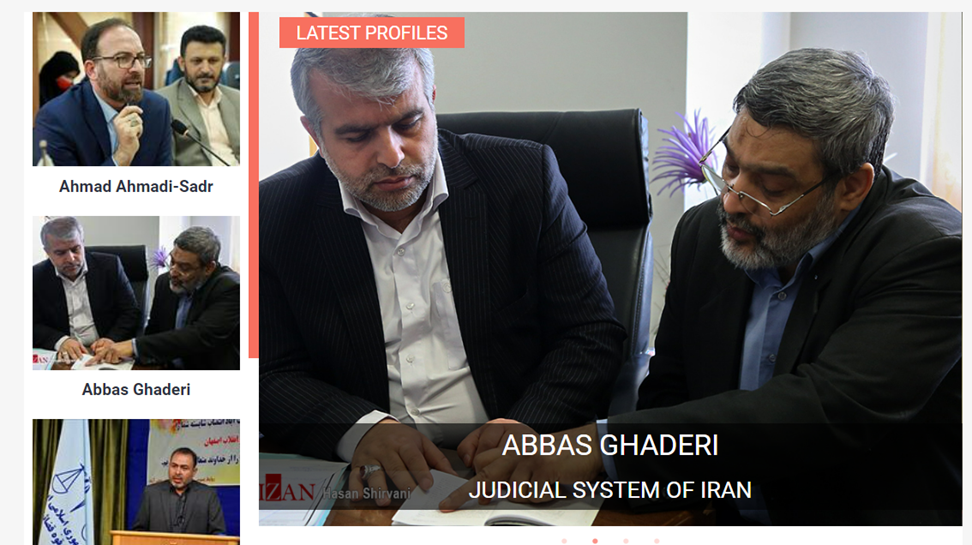
 

The extensive nature of Ghaderi’s behavior can be explored in more depth via his profile on the Spreading Justice database.

Iran has a gender binary legal framework and the law mandates that individuals select either male or female and undergo corresponding gender-confirming surgeries for legal recognition. The mandated surgeries are physically demanding, carry significant medical risks, and entail high financial costs that many cannot afford.  Requiring these surgeries as a condition for legal recognition imposes an unjust burden on transgender individuals, making their right to identity contingent upon their willingness and ability to undergo medical procedures. Moreover, those who refuse or are unable to choose a binary gender and undergo the prescribed surgeries face severe consequences. They are often denied access to basic services and rights, such as employment and education. This denial extends to various aspects of public life, effectively marginalizing them and limiting their ability to participate fully and freely in society.

In addition to these surgical requirements, transgender citizens must navigate a lengthy and arbitrary legal process to obtain identification documents that reflect their gender identity, often resulting in the removal of reproductive organs such as the uterus, ovaries, and testicles. These heavy and irreversible surgeries, coupled with the high costs and low quality of medical care available, further exacerbate the challenges faced by transgender Iranians. HRA has documented instances where local judges, like Judge Ghaderi, apply these requirements inconsistently, adding to the confusion and discrimination.

LGBTQ+ voices from inside the country

The situation for LGBTQ+ individuals in Iran is dire, marked by systemic discrimination, abuse, and persecution. Accounts from community members reveal the depth of their suffering and the pervasive fear that governs their lives.

“Being interrogated was a nightmare. They made fun of me, taunted me, and treated me like a criminal. Even soldiers who were supposed to be impartial joined in the abuse. When I was finally taken to prison, I was so humiliated that I wanted to disappear,” one individual recounted. This testimony highlights the hostile and dehumanizing treatment faced during interrogations.

The Iranian regime’s propaganda machinery further exacerbates the plight of LGBTQ+ individuals. “The regime actively fuels animosity against us. They even burn our flag in government marches and use derogatory language to perpetuate negative stereotypes about us. They exploit existing societal taboos to bolster their campaign of humiliation and oppression. This rhetoric reinforces deeply ingrained prejudices and strengthens the stigma surrounding our community,” shared another member. Such actions by the government serve to legitimize and intensify public hostility and discrimination against the LGBTQ+ community.

Living in constant fear, many LGBTQ+ individuals face profound personal and social risks. “My greatest fear is that coming out could cost me my freedom or my future. Arrests, job loss, or social ostracism are very real risks, even if I’m fortunate to have a supportive family. My fear is for those who have no such support,” explained a third individual. This fear is not unfounded, as Iran’s legal and social environment is extremely hostile towards LGBTQ+ individuals, often leading to severe consequences such as imprisonment, loss of employment, and social exclusion.

Military Service

In the realm of military service, discrimination persists with the “Nervous and Mental” classification in the medical exemption regulations. This classification, used to exempt transgender and homosexual individuals from mandatory military service, not only stigmatizes but also carries severe long-term repercussions. The label of a mental disorder is then recorded in their medical and military records, casting a long shadow over their lives, and impacting their ability to secure employment and access social services.

The military exemption, known as the “red card,” creates additional barriers to obtaining licenses or employment in public offices, reflecting a broader pattern of state-sanctioned discrimination against LGBTQ+ individuals in Iran. This systematic marginalization,  reinforced by both legal mandates and societal attitudes, impedes the full participation of LGBTQ+ individuals in society.

Although there have been some changes since the enactment of the Examination and Medical Exemption Regulation for Conscription in 2014, which shifted the review of exemptions for transgender and homosexual individuals to specific sections, colloquially known as the “Nervous and Mental” section, the stigma attached to these exemptions persists. Despite the World Health Organization’s reclassification of being transgender from mental and behavioral disorders and the removal of homosexuality from the list of mental disorders in 1990, the implications of these exemptions remain problematic in Iran, especially considering the criminalization of same-sex relations. This has led to increased caution and strictness in issuing exemptions, which some manage to obtain only after extended efforts, often limited to an exemption from combat rather than a complete waiver from military service.

Systematic Exclusion from Professional and Social Arenas

The exclusion from additional professional and social arenas is another facet of discrimination faced by LGBTQ+ individuals in Iran. Notable figures such as Mohammad Heidari, former head of City Theater, and Seyed Sadegh Mousavi, head of the Evaluation and Supervision Council of the General Directorate of Performing Arts, have played significant roles in excluding transgender individuals from the arts. The case of Saman Arastoo, a well-known actor who faced systematic exclusion from theater productions following his gender confirmation surgery, illustrates the professional and personal costs of such discrimination.

·       Invisible Removal from the Work Environment

Some transgender individuals are deprived of continuing their careers in their specialized fields after coming out. Saman Arastoo, who was a recognized actor in cinema and theater, found himself ousted from the job market shortly after his gender confirmation. In 2020, in an interview with Ensaf News, addressing his removal from a theater production in 2008, Arastoo detailed that Mohammad Heidari, the head of City Theater, and Seyed Sadegh Mousavi Mousavi, from the Evaluation and Supervision Council, decided to remove him from the main character role after a lengthy review process. Arastoo stated, “Many students have been in my classes or participated in my self-awareness workshops. They are transgender and have studied at the University of Arts, and they are never given any work. I always tell the kids to make sure to do two or three art projects, whether in theater or cinema, before undergoing surgery so that they face fewer problems after the operation.”

·       Marginalization from the Social Sphere

The marginalization extends beyond professional spheres into social settings. Alireza Nadali, the spokesperson for the Islamic Council of Tehran City, has publicly criticized the presence of transgender citizens in Daneshjoo Park, suggesting that their presence in public spaces should be regulated and not be allowed in cultural spots of the city. This type of rhetoric contributes to the stigmatization and marginalization of transgender individuals, limiting their ability to participate in public life.

·       The Plight of Homeless Transgender Individuals

Economic and social challenges are further compounded for transgender individuals facing homelessness, a situation exacerbated by widespread family rejection owing to societal taboos and systemic barriers. In 2019, the Daneshgah News Agency highlighted the refusal of shelters to accommodate transgender individuals, citing a case where the Tehran Municipality was questioned for allowing a transgender individual to stay in a women’s shelter. In response to growing pressures, Ahmad Ahmadi Sadr from the Social Services and Participation Organization of Tehran announced plans in 2023 to establish specialized shelters. However, these promises were quickly retracted, underscoring a lack of genuine commitment to addressing the needs of transgender individuals facing homelessness.

Vulnerability to Violence

The vulnerability of LGBTQ+ individuals to violence is pronounced, with minimal protection or recourse available through legal channels. Incidents of violence, such as the assault on a 23-year-old transgender woman in Sanandaj by her brother, often go unaddressed by authorities, leaving victims without support or justice. The lack of a safe environment, even for welfare workers, places these individuals at greater risk, highlighting the systemic neglect and discrimination they face daily.

These examples starkly illustrate the multifaceted discrimination and exclusion faced by LGBTQ+ individuals in Iran, spanning professional, social, and personal spheres. The systemic nature of this exclusion, supported by both governmental policy and societal attitudes, necessitates urgent reforms to protect the rights and dignity of the LGBTQ+ community in Iran.

Security Measures Against LGBTQ+ Members

The plight of LGBTQ+ individuals in Iran extends into their treatment under security measures and legal actions. During the nationwide protests in 2022/23 Rahaa Ajoudani, a transgender citizen living in Tehran, was arrested and faced severe judicial consequences. She was sentenced to two and a half years in prison and banned from leaving the country, although her sentence was later converted to a fine due to “living conditions as a transgender woman and the lack of a proper facility for detention.” This adjustment speaks volumes about the unsuitable conditions in detention facilities, which were further highlighted by leaked surveillance footage showing inadequate facilities and oversight in the specific prison ward where she was held.

Furthermore, the morality police and law enforcement agencies have historically targeted transgender individuals based on their appearance. Recent allegations have included accusations of promoting immorality, leading to arrests and detentions. For instance, in Gonbad-e Kavus in April 2023, a citizen was detained on such charges. Additionally, State-affiliated media have been involved in propagating stigmatizing narratives, including releasing videos of “forced confessions” from five transgender individuals, casting further doubt on the fairness and transparency of legal proceedings against the LGBTQ+ community. The ultimate fate of these individuals remains unknown, underscoring the ongoing risks and uncertainties faced by the community.

Conversion Therapies

Conversion therapies, which are widely discredited by global health authorities, are still promoted and practiced, often under the guise of religious and psychological “treatment.” Dr. Davood Najafi Tavana, for instance, advertises conversion therapies on his website, offering medication, hypnotism, and aversion therapy as methods to change an individual’s sexual orientation from homosexual to heterosexual. Similarly, the Mehr news agency and the ISNA news agency have published claims supporting the efficacy of conversion therapy, despite widespread international condemnation of such practices. These actions are indicative of a broader societal and governmental stance that views homosexuality and diverse gender identities as disorders that need to be “cured” or “corrected,” further alienating and endangering the LGBTQ+ population.

The Organization of Psychology and Counseling, as the overseeing body for psychologists, does not take any action regarding the unscientific claims made by practitioners of conversion therapy. This is despite the fact that these so-called therapies have long-lasting or irreparable effects on individuals’ mental health, particularly adolescents. Among the responsibilities of this organization are issuing licenses and permits for members of the organization (psychologists and counselors) and monitoring the quality of their professional work.

Hate Speech

Hate speech against the LGBTQ+ community is rampant among high-ranking officials and media outlets in Iran. Historical and ongoing rhetoric from figures such as Ebrahim Raisi underscores the institutional disdain and disregard for LGBTQ+ rights. In a notable instance during a visit to Uganda in 2023, President Raisi criticized Western countries for promoting homosexuality, linking it to broader geopolitical conflicts and cultural wars. He stated, “Western countries are pressuring independent countries by attacking the family foundation, promoting the ugly phenomenon of homosexuality, spreading extremism and terrorism, and using human rights as a tool.” He further stated “This [homosexuality] is one of the dirtiest things that has happened in human history”, he even goes as far as saying homosexuality is created to “extinct humans”. His statements, alongside those of Vahid Yamin Pour, Secretary of the Supreme Council for Youth, who praised Uganda’s harsh anti-homosexuality laws, reflect a deep-seated animosity towards LGBTQ+ rights, both domestically and internationally.

The Urgent Need for Accountability and Reform

Iran’s legal framework and practices concerning homosexuality and in particular forced gender reaffirming surgery contravene several fundamental principles of international human rights law. These include the rights to life, privacy, freedom from torture and cruel treatment, bodily autonomy, and the principle of nondiscrimination.

The criminalization of homosexuality and importantly the imposition of the death penalty for consensual same-sex activities are severe violations of the right to life, as protected under Article 6 of the ICCPR. The United Nations Human Rights Committee (UNHRC) has consistently maintained, as noted in the general comment, that the death penalty should only be applied to the “most serious crimes,” a category that does not encompass consensual sexual relations. Furthermore, such criminalization on this ground constitutes an arbitrary interference with privacy.

Compulsory gender reaffirming surgeries infringe upon the right to health, which encompasses the right to make autonomous decisions regarding one’s body. This practice directly contravenes international human rights standards that protect individuals from non-consensual medical treatments and uphold their right to personal health decisions. The forced imposition of gender reaffirming surgeries on transgender individuals in this way amounts to cruel, inhuman, and degrading treatment.

Finally, discrimination based on sexual orientation and gender identity is prohibited by international human rights law. Iran’s laws target LGBTQ+ individuals, leading to systematic discrimination that violates their inherent dignity and equality.

The international community must support LGBTQ+ activists and pressure Iran to change its laws to meet international human rights standards and uphold its obligations. There must also be accountability for all past and ongoing violations.

By systematically identifying and discussing the roles of specific perpetrators and institutions, HRA seeks to underscore the accountability necessary for addressing human rights violations against LGBTQ+ individuals (as a persecuted group) in Iran.

In Iran, essential reforms must include decriminalizing homosexuality, abolishing the death penalty for consensual same-sex activities, and halting forced gender-reaffirming surgeries.

These changes are crucial to ensure that Iran respects and protects the fundamental human rights of all individuals, regardless of their sexual orientation or gender identity.

As the international community continues to watch, these efforts must be supported and amplified to foster real and lasting change.

List of perpetrators mentioned in the Report  

Ebrahim Raisi: President of the Islamic Republic of Iran

Abbas Ghaderi: Former Head of the 45th branch of the Special Judicial Complex for non-litigious matters at the Public and Revolutionary Courts of Tehran

Alireza Nadali: Member and spokesperson of the Tehran Islamic Council

Ahmad Ahmadi-Sadr: CEO of the Welfare, Services, and Social Partnerships Organization of Tehran Municipality

Joint Statement on Women’s Reproductive Health

Human Rights Activists in Iran (HRA), along with 15 other human rights organizations, have released a joint statement urging the international community and human rights activists to unite in condemning Iran’s restrictive policies on sexual and reproductive rights. They also call for using diplomatic channels to demand the abolition of discriminatory laws. These organizations request that the Islamic Republic revoke laws restricting abortion and reinstate comprehensive family planning programs. The signatories of this statement emphasize that the Iranian government must comply with international health standards and cooperate with the United Nations to ensure women have access to the highest level of reproductive health care.


Read the full statement below:


Civil Society Calls on the International Community to Urgently Condemn Iran’s Assault on Women’s Autonomy and Right to Health


Washington D.C. Friday, May 10, 2024 –In the past decade, Iran has intensified its efforts to limit women’s fundamental rights, notably in the sphere of reproductive autonomy. This trend underscores a broader pattern within the country, where women’s rights are facing persistent and escalating restrictions. Under the guise of addressing declining population growth, the government has introduced increasingly discriminatory legislation severely limiting access to vital sexual and reproductive healthcare and family planning services such as access to abortion, essential prenatal screening and contraception. These measures criminalize healthcare providers and strip women of bodily autonomy, perpetuating systemic discrimination, now widely acknowledged.

Considering the persistent discriminatory legislation against women’s sexual and reproductive healthcare and with insights from HRA‘s latest report, Sexual and Reproductive Rights in Iran: Battling Restrictive Laws and Discriminatory Practices, which includes grim conversations with women and providers directly affected, the undersigned organizations urge decisive international action to address systemic violations of women’s sexual and reproductive rights in Iran.


The undersigned organizations call upon the international community to:

Immediate Condemnation The international community and activists must unite in condemning Iran’s restrictive sexual and reproductive policies, urging the repeal of discriminatory laws including through diplomatic channels, where available.
Engagement with International/Intergovernmental Institutions Engage with international and intergovernmental institutions to raise awareness and advocate for action. Importantly, UNFPA, in its work toward the goal of universal access to sexual and reproductive health and rights, including family planning, it is imperative that in all engagements under the UNFPA Country Programme and the 2024-2025 joint work plans between UNFPA and the Government of the Islamic Republic of Iran, there is a strong emphasis on the need to repeal restrictive legislation that criminalizes abortion and imposes punitive measures on individuals seeking or providing abortion services.
Educational Initiatives Introduce public awareness campaigns aimed at challenging norms perpetuating gender inequality. It is imperative to ensure that these campaigns reach minority areas and are linguistically inclusive, thereby facilitating broader dissemination and maximizing their transformative impact.
Monitoring and Accountability Maintain specialized monitoring to hold Iran accountable for violations of women’s rights, namely sexual and reproductive rights violations. Seek to hold individuals directly involved in violations responsible through targeted action across jurisdictions.


The undersigned organizations urge the Islamic Republic of Iran to:

Support Family Planning Reinstate comprehensive family planning programs providing contraception, prenatal and antenatal healthcare, and linguistically inclusive education to empower all women in making their own reproductive healthcare choices.
Repeal Restrictive Legislation Immediately revoke laws criminalizing abortion and ensure access to safe and legal abortion services and eliminate all punitive measures against healthcare providers and institutions.
Adhere to International Health Standards Commit to upholding international health standards and obligations, including the right to health as outlined in the ICESCR.
Combat Gender-Based Discrimination Take concrete steps to address systemic gender discrimination and promote gender equality across all societal domains.
Cooperate with the United Nations Engage with United Nations human rights mechanisms, granting unrestricted access to the country. This not only enables comprehensive monitoring and reporting on the prevailing situation but also serves to enhance accessibility to sexual and reproductive healthcare assistance while addressing ongoing challenges.

Iranian women are not alone in their struggle to attain access to safe sexual and reproductive healthcare. However, Iranian women face systemic discrimination alongside the barriers to sexual and reproductive healthcare, perpetuating their subordinate status in law and ultimately endangering their lives. Iran must implement recommendations, ensuring access to improved sexual and reproductive health for all citizens.


Signatories:

Abdorrahman Boroumand Center for Human Rights in Iran   
Association for the Human Rights of the Azerbaijani People in Iran   
Baloch Activists Campaign  
Centre Against Racism in Iran
Haalvsh
Human Rights Activists 
Human Rights Watch 
HYRCANI 
Kurdistan Human Rights Association – Geneva 
Kurdpa Human Rights Organization 
Miaan 
OutRight International 
Rasanak 
Siamak Pourzand Foundation 
Tuhra 
World Organisation Against Torture, OMCT


For more information please contact Skylar Thompson, Director of Global Advocacy and Accountability at Human Rights Activists in Iran (HRA) skylar[at]hramail.com

The post Joint Statement on Women’s Reproductive Health appeared first on Human Right Activists In Iran.

HRA Unveils Groundbreaking Report on Iran’s Use of Child Soldiers in Armed Conflicts

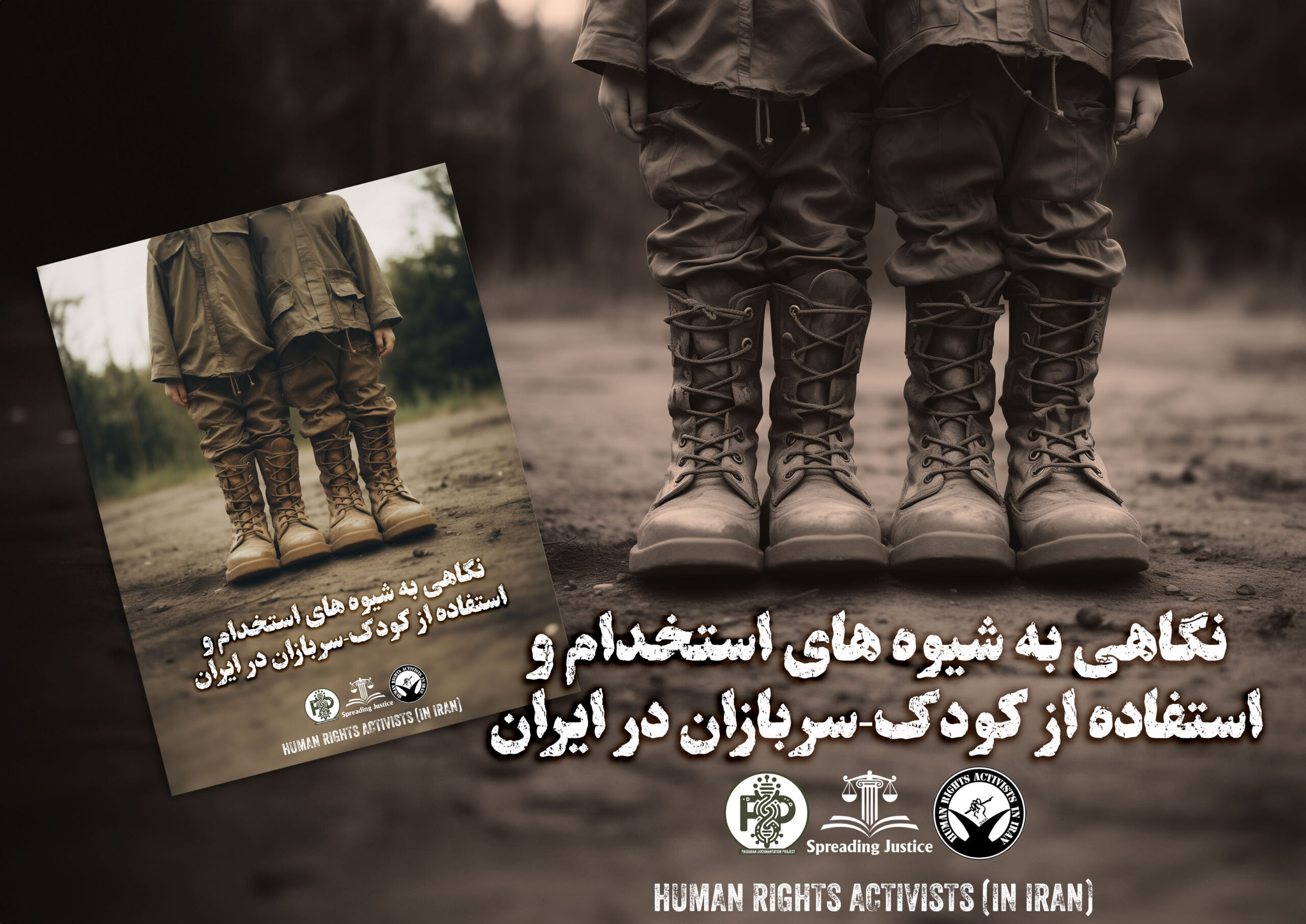
In a groundbreaking publication today, Human Rights Activists (HRA) has released an extensive report detailing Iran’s longstanding practice of recruiting the economically disadvantaged segments of society, including asylum seekers, immigrants, and using child soldiers in armed conflicts. The report particularly spotlights the exploitation of Afghan minors within the Fatemiyoun Division. This comprehensive investigation sheds light on a series of violations of international humanitarian law and international children’s rights, revealing the depth of Iran’s involvement in the recruitment, training, and deployment of children in combat zones.

The primary focus of this report, prepared by Spreading Justice (a database of human rights violators), the Pasdaran Documentation Initiative, and the HRANA news agency, is on the use of children—specifically individuals under 18 years of age—in war zones, who are predominantly of Afghan nationality and, to a lesser extent, Pakistani.

Click here to download the full report

Unmasking the Exploitation of Vulnerable Populations: The primary aim of this report is to unmask the systematic exploitation of vulnerable populations, with a particular focus on Afghan immigrants and minors, by Iran’s military and paramilitary forces. Through detailed accounts, testimonies, and evidence, HRA endeavors to bring to the forefront the realities of these practices that have long been shrouded in secrecy and obfuscation.

Promoting Transparency and Accountability: This report also aims to encourage transparency and accountability regarding the recruitment and use of child soldiers. By conducting a thorough analysis of Iran’s recruitment networks, training centers, and the roles played by various institutions and commanders, HRA seeks to ensure that those responsible for these violations are held accountable.

Encouraging International Action and Dialogue: This report aims to spur international action and dialogue on the urgent issue of child soldiers.It calls for a united global effort to address and mitigate the factors driving the recruitment of child soldiers, advocating for policy reforms and the implementation of protective measures in line with the principles of international humanitarian law and children’s rights.

Through this report, HRA not only highlights the grave injustices experienced by child soldiers but also provides a roadmap for change, urging all stakeholders to commit to protecting the most vulnerable in conflict zones.

HRA’s report is a comprehensive analysis that exposes Iran’s systematic recruitment and exploitation of child soldiers, particularly focusing on the use of Afghan minors within the ranks of the Fatemiyoun Division, a paramilitary group fighting in Syria under the auspices of the Islamic Revolutionary Guard Corps (IRGC). This investigation is the result of meticulous research, including interviews with former child soldiers, analysis of recruitment tactics, and examination of the training and deployment processes.

Systematic Recruitment and Use of Child Soldiers: The report exposes Iran’s long-standing practice of systematically recruiting child soldiers, a practice dating back to the Iran-Iraq War and persisting through its involvement in the Syrian conflict. It details how Iran targets vulnerable populations, particularly Afghan refugees and immigrants, many of whom are minors, coercing them into military service with promises of financial rewards or legal residency.

Violation of International Laws and Conventions: The HRA’s findings reveal Iran’s egregious violations of international law, encompassing both International Humanitarian Law and International Human Rights Law. Despite its obligations under the Convention on the Rights of the Child (CRC), which prohibits the use of children under 15 in hostilities, Iran has been documented recruiting children as young as 14. This flagrant disregard for international norms extends to Iran’s failure to adhere to the International Labour Organization (ILO) Convention on child soldiers and Customary International Law. These actions highlight Iran’s blatant disregard for its international commitments and the urgent need for accountability.

Inadequate Training and Preparation: The investigation details the insufficient and hastily conducted training provided to these child soldiers and other recruits, often lasting only three to four weeks. The training primarily focuses on combat tactics rather than imparting a comprehensive understanding of International Humanitarian Law (IHL). This lack of proper training not only exposes these children to immense danger on the battlefield but also contravenes the principles of IHL, which Iran is obligated to teach its armed forces.

Exploitation and Coercion: The report exposes the exploitation and coercion inherent in Iran’s recruitment practices. Testimonies from former child soldiers and other former members reveal a troubling pattern of manipulation, where minors and individuals in precarious visa situations are coerced into combat roles under threats of violence or death. Promises of financial compensation and legal status made to them are consistently broken.

High Casualty Rates and Lack of Support: One of the most harrowing findings is the disproportionately high casualty rates among the Fatemiyoun Division’s child soldiers. Testimonies and data point to instances where a significant amount of child soldiers were deployed in combat operations with minimal support, resulting in significant loss of life and injury. Furthermore, the report criticizes the lack of adequate support for injured child soldiers and the families of those killed in action, highlighting a neglectful and dismissive attitude by the IRGC towards these individuals upon their return from Syria.

Call to Action: In light of these findings, the report urges immediate action from the international community, including the implementation of targeted human rights sanctions for human rights abusers, support from international organizations and non-governmental organizations working on the ground to protect vulnerable populations from recruitment. Emphasizing Iran’s duty to uphold international standards, the report urges Iran to immediately halt its recruitment of child soldiers and to initiate comprehensive measures for the rehabilitation and support of those already impacted by such egregious practices.

The report by HRA is not just a condemnation of Iran’s actions but a plea to safeguard the rights and well-being of children caught in conflicts. By shedding light on these issues, HRA seeks to catalyze global efforts to ensure that no child is coerced into bearing arms and that those who have suffered receive the support needed to rebuild their lives.

HRA report on the recruitment and use of child soldiers by Iran represents a significant accomplishment, prepared despite considerable security and information challenges. Conducting research in a context where access to reliable data is heavily restricted, and where subjects of investigation face significant risks, required innovative approaches and steadfast determination. The organization’s commitment to uncovering the truth led to the deployment of undercover investigations, extensive interviews with survivors, and collaboration with a network of local activists, all undertaken while ensuring the safety and anonymity of those involved.

The international community cannot afford to overlook the findings of this report. The documented violations have profound implications for global peace, security, and human rights. Addressing the use of child soldiers requires a concerted effort from nations worldwide to:

HRA urges all concerned individuals, organizations, and government entities to engage with this critical issue by reviewing the full report. By understanding the depth and severity of the violations against children in armed conflicts, collective work can be done to safeguard the rights of the vulnerable.

To access the comprehensive report and learn more about the findings and recommendations, please download the full PDF version by clicking on the image below. HRA encourages readers to contact us with any questions, insights, or support for our ongoing efforts to protect human rights worldwide.

The active involvement and support of individuals are instrumental in addressing the use of child soldiers and upholding human rights globally. Collaboratively, efforts aim to contribute to positive change, fostering a safer, more just world for future generations.

The post HRA Unveils Groundbreaking Report on Iran’s Use of Child Soldiers in Armed Conflicts appeared first on Human Right Activists In Iran.

Iran Recruited Afghan Children to Fight in Syria, Claims HRANA Report

Afghanistan International – Human Rights Activists News Agency (HRANA) has reported that the Islamic Republic of Iran has, for years, coerced migrants, especially Afghan children, into military service with promises of financial rewards and legal residency.

According to the report, Iran has dispatched Afghan children to fight in Syria as part of the Fatemiyoun Brigade.

A group of human rights activists in Iran published a comprehensive report on Tuesday, March 12, documenting Iran’s long-term operations of recruitment and use of child soldiers in warfare.

The main goal of this report is to expose the systematic exploitation of vulnerable populations, with a special focus on migrants and Afghan children by Iranian military and paramilitary forces.

The findings of this group of human rights activists document and highlight Iran’s violation of several international laws, including the Convention on the Rights of the Child, which stipulates that children under 15 should not be recruited or used in conflicts.

The activists have called for immediate action from the international community, including sanctions, diplomatic pressures, and support for NGOs working to protect vulnerable populations from child recruitment.

The report notes that one of the most concerning findings is the high casualty rate among child soldiers in the Fatemiyoun Brigade.

HRANA added that Iran has recruited Afghan children into the Fatemiyoun Brigade and Pakistani individuals into the Zainabiyoun Brigade.

Fatemiyoun Brigade is a militia group affiliated with Iran’s Quds Force, claiming to organise volunteer Afghan forces for deployment to Syria to fight against Bashar Assad’s opponents and ISIS.

According to HRANA’s report, the Fatemiyoun Division began its operations in 2013, marking the first deployment of Afghan “Fatemiyoun” defenders to Syria.

The report indicates that recruitment agents initially targeted Afghans for enlistment in this force, from factories to prisons, with promises that going to Syria would annul their prison sentences, stabilise their residency status in Iran, and provide them with houses and significant amounts of financial support.

HRANA, quoting the Ministry of Foreign Affairs of the former Afghan government, wrote, “Tehran has exploited the poverty and deprivation of Afghans who migrated to Iran for its sectarian and expansionist interests and goals.”

Samad Rezai, a commander of the Fatemiyoun in 2018, stated that at least 80,000 individuals under the Fatemiyoun brigades were deployed to Syria, with 2,800 reported as killed.

Zuhair Mujahid, the charge of cultural division of the Fatemiyoun Brigade, announced in 2017 that more than two thousand members of the Fatemiyoun forces had been killed in the Syrian war, with eight thousand wounded.

Recruitment of Children for the War in Syria

HRANA says that most members of the Fatemiyoun Brigade were Afghan migrants. According to the report, the Islamic Revolutionary Guard Corps was also active in recruiting within Afghanistan and had unofficial offices in the country.

Although the exact number of child soldiers in the Fatemiyoun is unclear, HRANA’s evidence suggests that the Revolutionary Guards have used children under 18, even under 15, as soldiers to join the Fatemiyoun and participate in the Syrian war.

HRANA’s report states that in 2017, Human Rights Watch confirmed the use of at least eight Afghan children in the Fatemiyoun Brigade by Iran’s Revolutionary Guards Corps. All these Afghan children were killed in the Syrian war, and four of them were only 14 years old at the time of their death.

The post Iran Recruited Afghan Children to Fight in Syria, Claims HRANA Report appeared first on Human Right Activists In Iran.

HRA welcomes the UNSR report on the situation of human rights in Iran

UNSR Dr. Javaid Rehman presents final report as mandate holder to the U.N. Human Rights Council, 18 March 2024

Today, Dr. Javaid Rehman, United Nations Special Rapporteur on the situation of human rights in the Islamic Republic of Iran, presented his final report as mandate holder to the United Nations Human Rights Council .

HRA welcomes Dr. Rehman’s analysis, particularly his spotlight on the alarming prevalence of death penalty charges, including for drug related offenses and for juvenile offenders.  Despite the clear violation of Article 6 of the ICCPR, Iran persists in executing individuals on drug-related charges and other crimes that do not amount to “most serious” under international law. Furthermore, the report exposes the egregious mistreatment of women, girls, human rights defenders, lawyers, and minorities, illustrating instances of forced confessions, unfair trials, and discriminatory practices. The aforementioned– all themes HRA has worked diligently to document and work closely with the mandate to share insights throughout the reporting period.

HRA embraces the recommendations outlined in the report , advocating for a moratorium on executions, the abolition of the death penalty, and improved legislation concerning child offenders.. It also underscores the imperative to uphold the right to a fair trial in accordance with the ICCPR, prevent threats, harassment, and arbitrary arrests of human rights defenders, and release individuals detained for exercising their fundamental freedoms. See HRA’s latest report on the situation of female political prisoners for more on our work in this regard.

HRA is proud to be present at the United Nations Human Rights Council in its 55th Session, standing in solidarity with and bringing the voices of Iranians to the international stage. In light of the expansive issues touched on in the report, it is imperative that Member States of the Human Rights Council vote to renew the mandate of the Special Rapporteur on Iran. This will ensure the continuation of vital work such as documentation, reporting, and archiving in the manner exemplified today.

The post HRA welcomes the UNSR report on the situation of human rights in Iran appeared first on Human Right Activists In Iran.

Recruiting Afghan migrant children in wars by Iran

In the “Moj” program on Amu TV, Parastoo Azizi (director of the Spreading Justice) and Sharif Ghalib, former advisor to the Ministry of Foreign Affairs of Afghanistan, discussed and analyzed the improper use of children in wars. A new report by Human Rights Activists reveals Iran’s involvement in recruiting and using child soldiers, especially Afghan citizens, in the Fatemiyoun Division. This research, a collaboration between Spreading Justice, the PDP Initiative, and HRANA, aims to expose violations of international laws and children’s rights.

در برنامه موج از شبکه آمو، پرستو عزیزی (مدیر پایگاه اطلاعاتی دادگستر) و شریف غالب، مشاور سابق وزارت خارجه افغانستان به بحث و بررسی پیرامون استفاده ناروا از کودکان در جنگ‌ها پرداختند. گزارشی جدید مجموعه فعالان نشان دهنده دخالت ایران در جذب و استفاده از کودک سربازان، به ویژه شهروندان افغانستان در تیپ فاطمیون است. این تحقیق که حاصل کار دادگستر، ابتکار پاسداران و هرانا است، افشای نقض قوانین بین‌المللی و حقوق کودکان را هدف قرار داده.

AMU TV Youtube Link

The post Recruiting Afghan migrant children in wars by Iran appeared first on Human Right Activists In Iran.

Canada expels Iran’s former deputy interior minister

By Stewart Bell  Global News, Posted March 20, 2024 3:17 pm

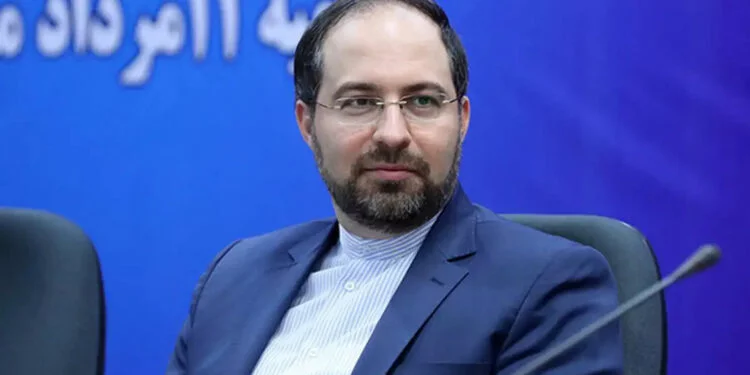
Canada’s immigration tribunal ordered the deportation Wednesday of Iran’s former deputy interior minister.

Seyed Salman Samani is the second senior member of the Iranian regime to face removal from Canada under sanctions adopted in 2022.

The Immigration and Refugee Board decision followed a deportation order issued Feb. 2 against Majid Iranmanesh, a technology advisor to Iran’s vice-president.

A third alleged top Iranian official caught in Canada has also been sent for removal proceedings.

In that case, however, the IRB has refused to identify him, and has opted to hold his hearings behind closed doors, apparently because he is claiming to be a refugee.

Global News applied to make the proceedings open to the public, but the IRB denied the request in a ruling Tuesday that did not explain why it felt banning the press from the case was justified.

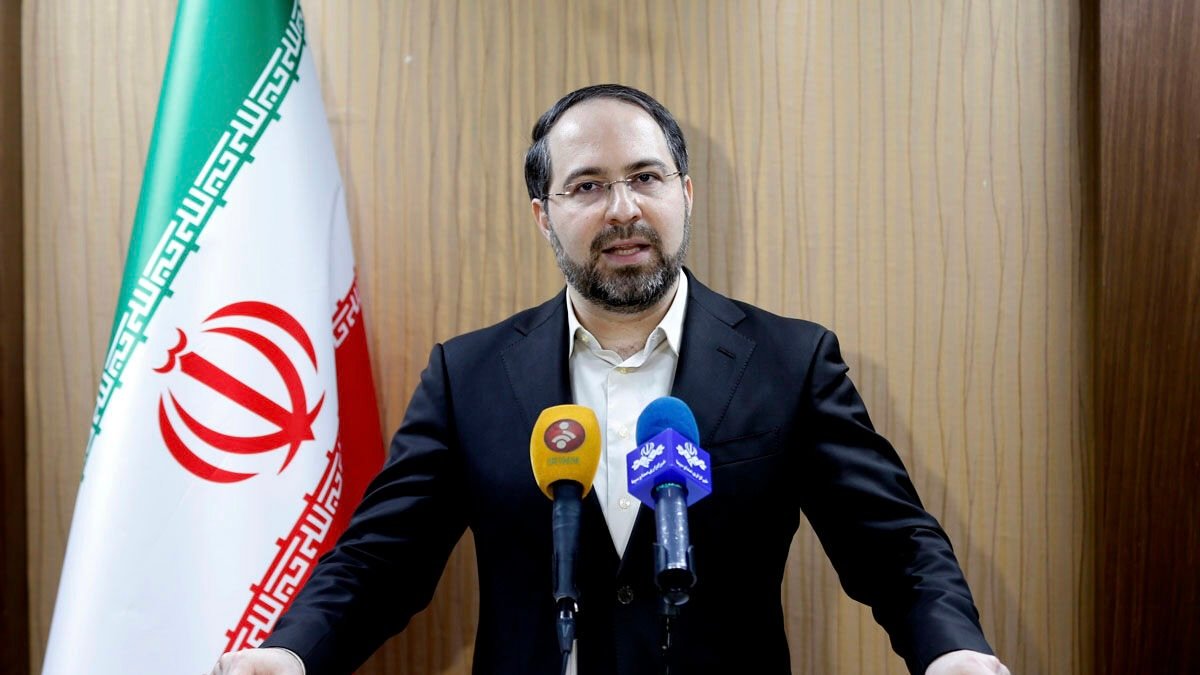
Seyed Salman Samani, when he was spokesperson for Iran’s Ministry of Interior.

Another nine suspected senior Iranian officials are similarly being brought before the refugee board for deportation hearings.

All are living in Canada but are being expelled after Iran’s morality police detained and killed Mahsa Amini for showing her hair in public.

Her death set off protests that were brutally crushed by Iranian security forces.

Canada responded by designating Iran as a regime engaged in “terrorism and systematic and gross human rights violations.”

The policy effectively barred tens of thousands of Iranian officials and Islamic Revolutionary Guard Corp members from Canada.

The IRB ordered the deportation of Seyed Salman Samani on Wednesday.
The IRB ordered the deportation of Seyed Salman Samani on Wednesday. Immigration and Refugee Board

Iranian Canadians have long complained that regime officials are entering Canada, and sometimes providing support to Tehran.

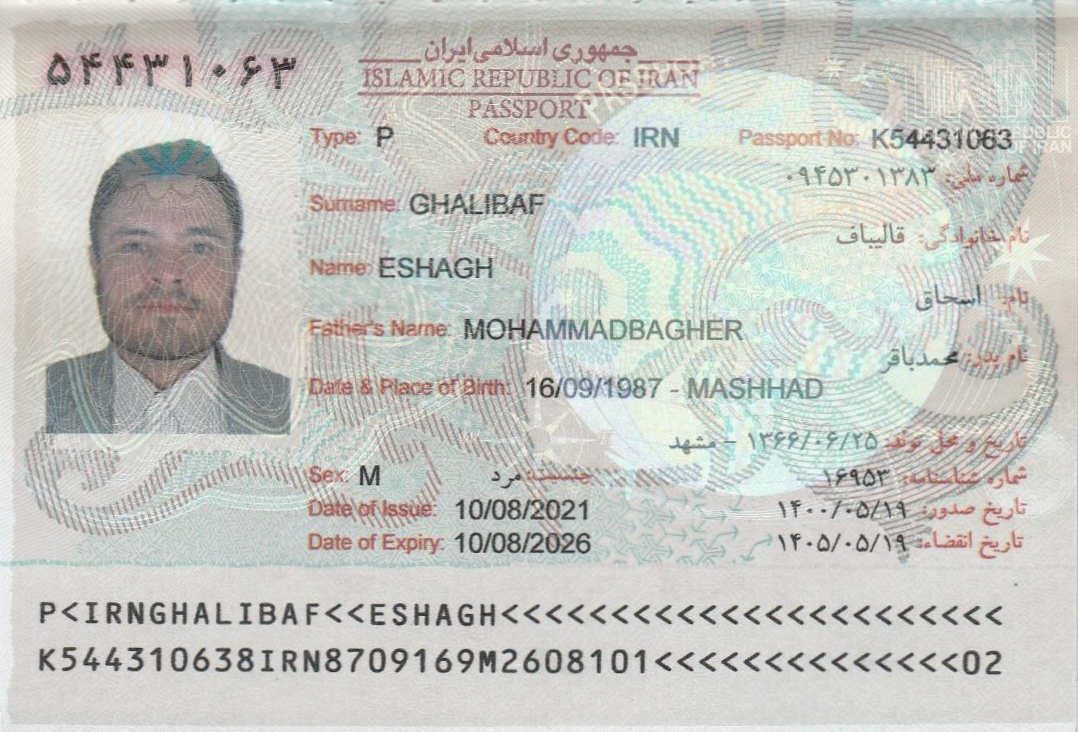
In a social media post on Feb. 21, Immigration Minister Marc Miller said the government had refused the permanent residency application of Eshagh Ghalibaf.

Court documents show that Eshagh Ghalibaf had applied to immigrate to Canada.

His father, Mohammad Bagher Ghalibaf, is Iran’s parliamentary speaker and a former senior commander in the Revolutionary Guard.

Passport of Eshagh Ghalibaf, who tried to immigrate to Canada.
Passport of Eshagh Ghalibaf, who tried to immigrate to Canada. Federal Court

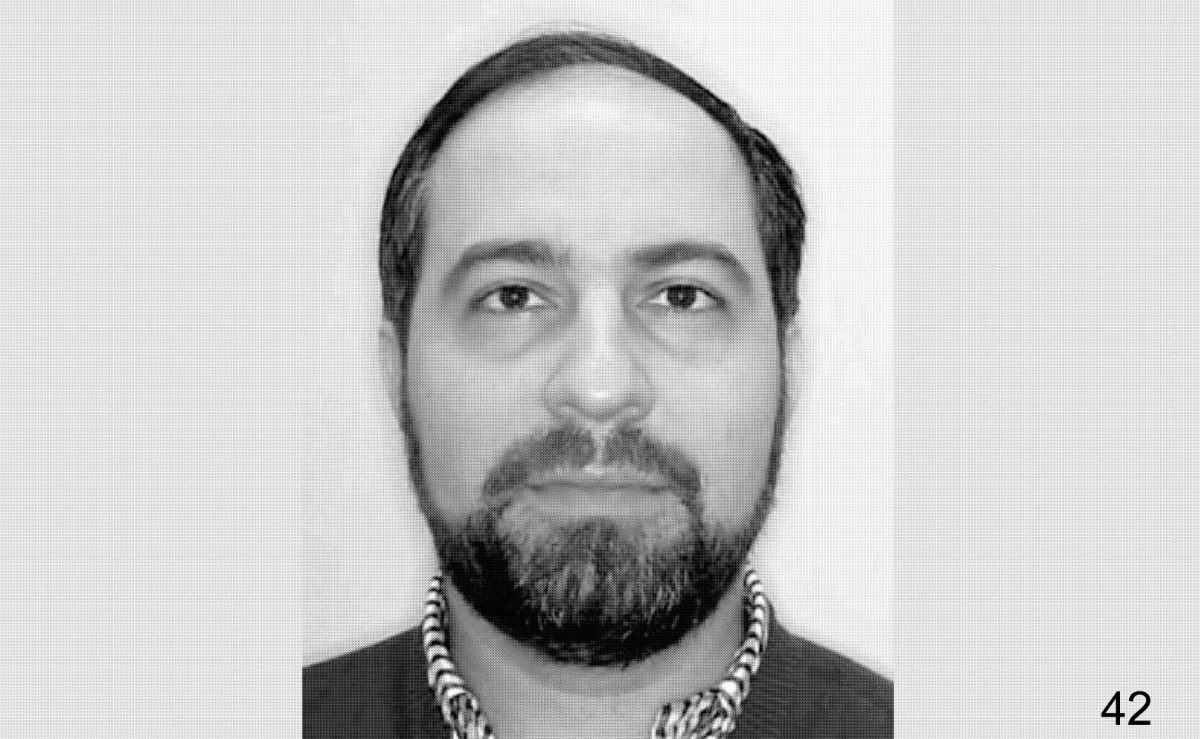
Samani, 43, entered Canada using a visitor visa issued in Ankara, Turkey. But after he arrived, he faced questions about his past role in the regime, which he quit in August 2021.

At his hearing in February, he said he was unaware his boss, Interior Minister Abdolreza Rahmani Fazli, had ordered police to kill protesters in 2019.

He denied any involvement in human rights abuses, and insisted he was not aware the Iranian regime was engaged in arbitrary arrest, torture and killings.

But immigration enforcement officials argued Samani held three “critical positions” in the Interior Ministry.

As the ministry spokesperson, he played a role in defending the regime over the role of its security forces in the deaths of 1,500 protesters, the officials argued.

“As a spokesperson, Mr. Samani would have served as a conduit for state propaganda, responsible for disseminating information that aligned with the government narrative and suppressing any dissenting views,” they said.

On Wednesday, IRB Member Kirk Dickenson upheld the government’s case, ruling Samani exercised “significant influence on the government or Iran,” and was therefore inadmissible to Canada.

The date of his removal was not disclosed.

The Canada Border Services Agency said 86 investigations had been launched into suspected senior Iranian regime members living in Canada.

Forty investigations had been closed because the individuals in question were either not in Canada or were not deemed to be senior Iranian officials.

So far the CBSA has identified a dozen “well-founded” cases of senior regime members, but only three have been sent to the IRB to date.

Eighty-two visas were also cancelled by Immigration, Refugees and Citizenship Canada under the sanctions. The figures are as of Feb. 16, 2024.

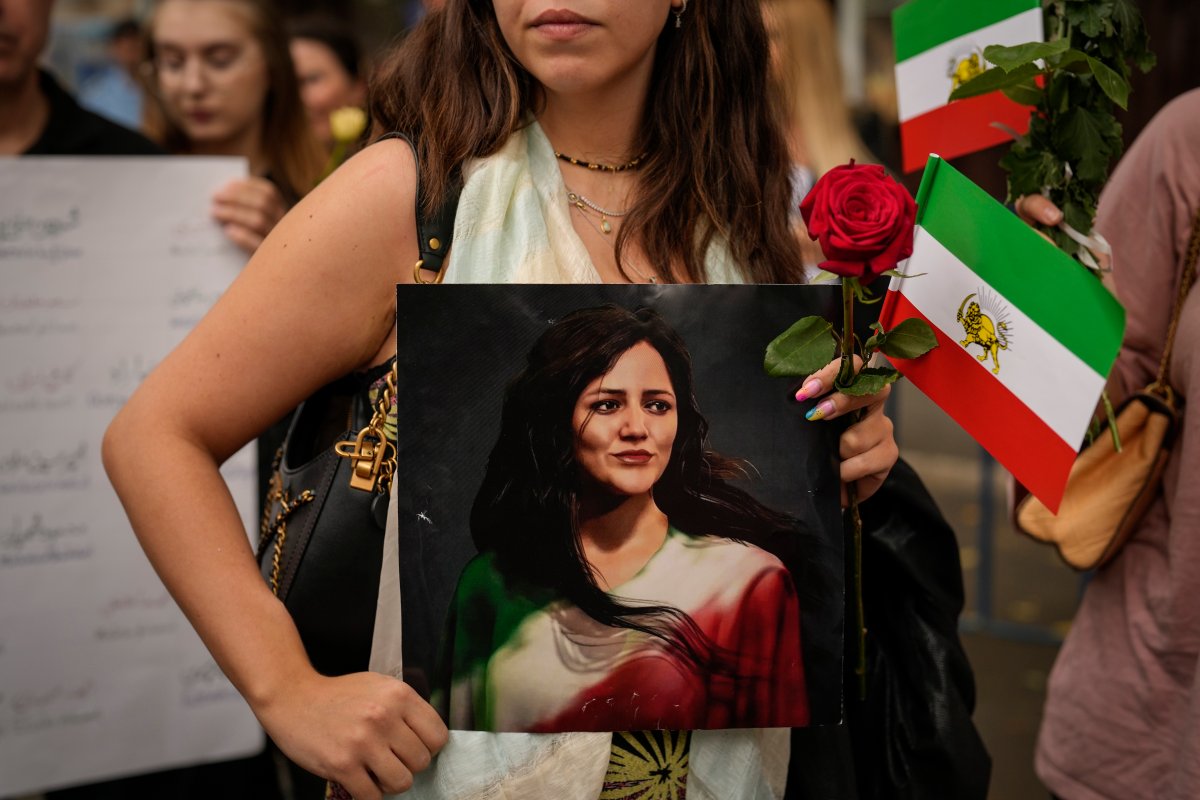
Romania Iran Protest
Woman holds image of Mahsa Amini during a protest outside the Iranian embassy in Bucharest, Romania, Saturday, Oct. 1, 2022. Vadim Ghirda/AP

But figures also show the government is struggling to deport those who have been found inadmissible to Canada on national security grounds.

Since 2018, the CBSA has issued 675 reports alleging foreign nationals should be deported for reasons of national security. But during that same time, only 44 were removed from the country.

That is less than seven per cent.

So far in 2024, the CBSA has prepared 33 inadmissibility reports for national security, but has conducted only a single removal, according to the figures.

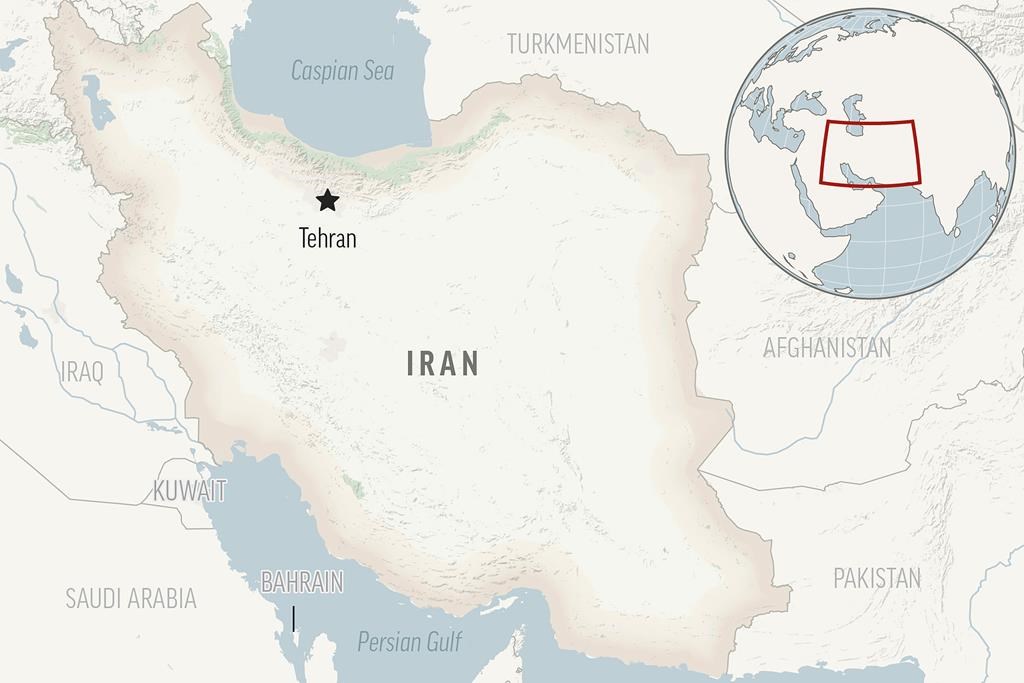
Map of Iran, with capital, Tehran. (AP Photo)
Map of Iran, with capital, Tehran. (AP Photo).

Canada broke off diplomatic relations with Iran 12 years ago, citing the regime’s rights abuses, nuclear program and support for international terrorism.

Iran’s IRGC Quds Force finances, trains and arms groups such as Hezbollah and Hamas, which conducted the Oct. 7 attack that killed 1,200 Israelis.

The IRGC also shot down a passenger plane in 2020, killing 85 Canadian citizens and permanent residents in what the courts have ruled was an act of terrorism.

Iran is also considered one of the hostile foreign governments, along with Russia and China, that engage in foreign interference in Canada.

Recruiting Afghan Migrant Children In Wars By Iran

In The “Moj” Program On Amu TV, Parastoo Azizi (Director Of The Spreading Justice) And Sharif Ghalib, Former Advisor To The Ministry Of Foreign Affairs Of Afghanistan, Discussed And Analyzed The Improper Use Of Children In Wars. A New Report By Human Rights Activists Reveals Iran’s Involvement In Recruiting And Using Child Soldiers, Especially Afghan Citizens, In The Fatemiyoun Division. This Research, A Collaboration Between Spreading Justice, The PDP Initiative, And HRANA, Aims To Expose Violations Of International Laws And Children’s Rights.

در برنامه موج از شبکه آمو، پرستو عزیزی (مدیر پایگاه اطلاعاتی دادگستر) و شریف غالب، مشاور سابق وزارت خارجه افغانستان به بحث و بررسی پیرامون استفاده ناروا از کودکان در جنگ‌ها پرداختند. گزارشی جدید مجموعه فعالان نشان دهنده دخالت ایران در جذب و استفاده از کودک سربازان، به ویژه شهروندان افغانستان در تیپ فاطمیون است. این تحقیق که حاصل کار دادگستر، ابتکار پاسداران و هرانا است، افشای نقض قوانین بین‌المللی و حقوق کودکان را هدف قرار داده.

HRA Unveils Groundbreaking Report on Iran’s Use of Child Soldiers in Armed Conflicts

In a groundbreaking publication today, Human Rights Activists (HRA) has released an extensive report detailing Iran’s longstanding practice of recruiting the economically disadvantaged segments of society, including asylum seekers, immigrants, and using child soldiers in armed conflicts. The report particularly spotlights the exploitation of Afghan minors within the Fatemiyoun Division. This comprehensive investigation sheds light on a series of violations of international humanitarian law and international children’s rights, revealing the depth of Iran’s involvement in the recruitment, training, and deployment of children in combat zones.

The primary focus of this report, prepared by Spreading Justice (a database of human rights violators), the Pasdaran Documentation Initiative, and the HRANA news agency, is on the use of children—specifically individuals under 18 years of age—in war zones, who are predominantly of Afghan nationality and, to a lesser extent, Pakistani.

Click here to download the full report

Unmasking the Exploitation of Vulnerable Populations: The primary aim of this report is to unmask the systematic exploitation of vulnerable populations, with a particular focus on Afghan immigrants and minors, by Iran’s military and paramilitary forces. Through detailed accounts, testimonies, and evidence, HRA endeavors to bring to the forefront the realities of these practices that have long been shrouded in secrecy and obfuscation.

Promoting Transparency and Accountability: This report also aims to encourage transparency and accountability regarding the recruitment and use of child soldiers. By conducting a thorough analysis of Iran’s recruitment networks, training centers, and the roles played by various institutions and commanders, HRA seeks to ensure that those responsible for these violations are held accountable.

Encouraging International Action and Dialogue: This report aims to spur international action and dialogue on the urgent issue of child soldiers. It calls for a united global effort to address and mitigate the factors driving the recruitment of child soldiers, advocating for policy reforms and the implementation of protective measures in line with the principles of international humanitarian law and children’s rights.

Through this report, HRA not only highlights the grave injustices experienced by child soldiers but also provides a roadmap for change, urging all stakeholders to commit to protecting the most vulnerable in conflict zones.

HRA’s report is a comprehensive analysis that exposes Iran’s systematic recruitment and exploitation of child soldiers, particularly focusing on the use of Afghan minors within the ranks of the Fatemiyoun Division, a paramilitary group fighting in Syria under the auspices of the Islamic Revolutionary Guard Corps (IRGC). This investigation is the result of meticulous research, including interviews with former child soldiers, analysis of recruitment tactics, and examination of the training and deployment processes.

Systematic Recruitment and Use of Child Soldiers: The report exposes Iran’s long-standing practice of systematically recruiting child soldiers, a practice dating back to the Iran-Iraq War and persisting through its involvement in the Syrian conflict. It details how Iran targets vulnerable populations, particularly Afghan refugees and immigrants, many of whom are minors, coercing them into military service with promises of financial rewards or legal residency.

Violation of International Laws and Conventions: The HRA’s findings reveal Iran’s egregious violations of international law, encompassing both International Humanitarian Law and International Human Rights Law. Despite its obligations under the Convention on the Rights of the Child (CRC), which prohibits the use of children under 15 in hostilities, Iran has been documented recruiting children as young as 14. This flagrant disregard for international norms extends to Iran’s failure to adhere to the International Labour Organization (ILO) Convention on child soldiers and Customary International Law. These actions highlight Iran’s blatant disregard for its international commitments and the urgent need for accountability.

Inadequate Training and Preparation: The investigation details the insufficient and hastily conducted training provided to these child soldiers and other recruits, often lasting only three to four weeks. The training primarily focuses on combat tactics rather than imparting a comprehensive understanding of International Humanitarian Law (IHL). This lack of proper training not only exposes these children to immense danger on the battlefield but also contravenes the principles of IHL, which Iran is obligated to teach its armed forces.

Exploitation and Coercion: The report exposes the exploitation and coercion inherent in Iran’s recruitment practices. Testimonies from former child soldiers and other former members reveal a troubling pattern of manipulation, where minors and individuals in precarious visa situations are coerced into combat roles under threats of violence or death. Promises of financial compensation and legal status made to them are consistently broken.

High Casualty Rates and Lack of Support: One of the most harrowing findings is the disproportionately high casualty rates among the Fatemiyoun Division’s child soldiers. Testimonies and data point to instances where a significant amount of child soldiers were deployed in combat operations with minimal support, resulting in significant loss of life and injury. Furthermore, the report criticizes the lack of adequate support for injured child soldiers and the families of those killed in action, highlighting a neglectful and dismissive attitude by the IRGC towards these individuals upon their return from Syria.

Call to Action: In light of these findings, the report urges immediate action from the international community, including the implementation of targeted human rights sanctions for human rights abusers, support from international organizations and non-governmental organizations working on the ground to protect vulnerable populations from recruitment. Emphasizing Iran’s duty to uphold international standards, the report urges Iran to immediately halt its recruitment of child soldiers and to initiate comprehensive measures for the rehabilitation and support of those already impacted by such egregious practices.

The report by HRA is not just a condemnation of Iran’s actions but a plea to safeguard the rights and well-being of children caught in conflicts. By shedding light on these issues, HRA seeks to catalyze global efforts to ensure that no child is coerced into bearing arms and that those who have suffered receive the support needed to rebuild their lives.

HRA report on the recruitment and use of child soldiers by Iran represents a significant accomplishment, prepared despite considerable security and information challenges. Conducting research in a context where access to reliable data is heavily restricted, and where subjects of investigation face significant risks, required innovative approaches and steadfast determination. The organization’s commitment to uncovering the truth led to the deployment of undercover investigations, extensive interviews with survivors, and collaboration with a network of local activists, all undertaken while ensuring the safety and anonymity of those involved.

The international community cannot afford to overlook the findings of this report. The documented violations have profound implications for global peace, security, and human rights. Addressing the use of child soldiers requires a concerted effort from nations worldwide to:

HRA urges all concerned individuals, organizations, and government entities to engage with this critical issue by reviewing the full report. By understanding the depth and severity of the violations against children in armed conflicts, collective work can be done to safeguard the rights of the vulnerable.

To access the comprehensive report and learn more about the findings and recommendations, please download the full PDF version by clicking on the image below. HRA encourages readers to contact us with any questions, insights, or support for our ongoing efforts to protect human rights worldwide.

The active involvement and support of individuals are instrumental in addressing the use of child soldiers and upholding human rights globally. Collaboratively, efforts aim to contribute to positive change, fostering a safer, more just world for future generations.


HRA welcomes FFMI findings of Gender Persecution in Iran

HRA welcomes the findings presented by the Independent International Fact-Finding Mission on the Islamic Republic of Iran (FFMI) regarding serious human rights violations and crimes against humanity perpetrated against the civilian population, particularly women and girls, during the “Woman, Life, Freedom” protests.

In particular, HRA welcomes the FFMI’s recognition of the crime against humanity of gender persecution. 

Download the full report

In December 2023, HRA with our partner, UpRights, submitted evidence and legal analysis on the crime against humanity of gender and political persecution urging the mission to recognize the commission of such crimes. 

The protests, sparked by the tragic death of Mahsa Zhina Amini in detention, were met with brutal force, resulting in the loss of hundreds of lives and leaving numerous individuals with irreversible injuries. The disproportionate and indiscriminate use of force by security forces against peaceful demonstrators represents a blatant disregard for the fundamental rights and freedoms of the Iranian people.

The documented violations, including extra-judicial killings, torture, rape, enforced disappearances, and gender persecution, underscore the urgent need for accountability and justice for the victims and survivors.

The comprehensive report by the FFMI emphasizes the the need for immediate action to address the systemic impunity enjoyed by perpetrators of human rights violations in Iran and crimes under International law. 

The government’s systematic denial of due process and fair trial, coupled with its continued repression of dissent and denial of basic rights, perpetuates a culture of impunity for violations dating back decades. 

HRA’s Spreading Justice Initiative (SJ) welcomes the FFMI’s dedication to documenting those responsible and conducting investigations into the identities of the direct perpetrators who committed, ordered, solicited, or induced the commission of violations. SJ believes this type of investigation is crucial.

HRA further welcomes the discussion on avenues for accountability outside the Islamic Republic of Iran and encourages Member States to explore avenues for international and domestic accountability as recommended in the report. 

Skylar Thompson, Director of Advocacy and Accountability, when speaking about the findings today, said “Recognizing crimes against humanity that have been committed paves a real path forward, opening the door to additional domestic and international accountability mechanisms. It also assures that victims know they are seen and heard. A failure to to recognize the gravity of crimes perpetrated by Iranian authorities in the context of the protests would have been a grave failure for the very women and girls who have suffered for so long. Instead, these findings offer a glimmer of hope. Now, it is absolutely essential that Member States ensure the mandate is extended alongside the Special Rapporteur.”

HRA looks forward to engaging with Member States, partners, and the FFMI throughout the session.