Iranian Labor rights activists and workers face ongoing rights violations

On the occasion of International Workers’ Day, or May Day, Human Rights Activists in Iran (HRA) highlights the ongoing denial of the full enjoyment of workers’ rights in Iran; namely workplace discrimination, child labour, violations of the right to form and join labor unions and the suppression of the right to peaceful assembly and association often resulting in unfair trials, arbitrary detention, and torture at the hands of Iranian officials. The following article provides a brief overview of the situation of labour rights in Iran as well as identifies several individuals known to be responsible for violating the rights of Iranian workers’ and labour rights activists. The noted violations are in stark contrast to Iran’s International human rights obligations (including ratified ILO Conventions, CRC, ICCPR, and ICESCR) and therefore should not go unpunished.

The Situation of Labour Rights in Iran

The Right to Form and Join Labour Unions

In the past year, a total of 593 workers’ protests and 738 trade union protests have reached the media and or civil society organizations.

Among the most important labor events in Iran over the past year the following workers’ protests can be mentioned; Haft Tappeh sugarcane workers, Kut-e Abdollah Municipality, Heavy Equipment Production Company (HEPCO) in Arak, railway technical lines and buildings, and the union protests of teachers, retirees and social security pensioners.

Over the past 12 months, various cities in Iran have witnessed various forms of protest movements by Iranian workers. A wide range of workers have taken to the streets due to non-receipt of their monthly salaries and disregard for their insurance claims, and some of these workers have gone on strike and protested for up to 30 months of wage arrears. Thus, 114 labor strikes and 3 union strikes have taken place.

The level of cohesive demand of different sections of the working class has been unprecedented in the past year. Repression and sabotage and non-recognition of the rights of trade unions and independent labor organizations, arrest and imprisonment of several labor activists, as well as the denial of the right to protest were among the reasons for the dispersal and disorder of some labor rallies and protests.

Many workers have been summoned, arrested or convicted on charges such as holding a peaceful rally on International Workers ‘Day, protesting against low wages, signing statements in support of trade unions, posting photos of workers’ demonstrations on the Internet or receiving invitations to attend world trade union meetings.

At least 37 workers and labor activists have been arrested in the past 12 months. Among the most important of these arrests are the arrests of four Haft Tappeh workers’ activists, five Kut-e Abdollah Municipality workers, six participants in a rally in support of the Haft Tappeh workers, and tens of nurses and teachers.

Additionally, 46 labor activists were sentenced to 636 months in prison and 3,108 floggings, 51 people were summoned to judicial and security authorities, 1,331 were fired or suspended from work, 4,224 were unemployed, 28,493 uninsured workers and 4,224 uncertain of their work situations.

Also, in the field of unions and syndicates, a total of 47 arrests of union activists, 30 months’ imprisonment for 2 union activists, 50 summonses to judicial-security authorities and 132 cases of closure of places have been reported.

Both the ICCPR (Article 22) and ICESCR (Article 8), to which Iran is a State party, guarantee the right to form and join labor unions. However, under Iranian law, there exists no express right to form labor unions that are independent of the State. Claiming ‘security concerns’, workers may only be represented by a select group of State sanctioned bodies. Nonetheless, groups like the Haft Tappeh Sugar Cane Workers’ Syndicate and others continue to form and gather to protest widespread violations of labour rights. The Haft Tappeh Workers’ Syndicate is a union responsible for the organization of several protests regarding violations of workers’ rights – notably, withheld wages, unfulfilled promises, and the arbitrary detention and torture of many of their members.

The violations against the Haft Tappeh Workers’ and others are not only in contrast to the core human rights treaties to which Iran is a State party but also ILO Conventions. As a founding member of the International Labor Organisation (ILO), the Islamic Republic of Iran was one of the first countries in the sub region to join the organization. Iran has ratified 13 ILO conventions including five of the eight so-called core conventions. These conventions are legally binding upon signature.

In addition to poor working conditions labor rights activists are increasingly peacefully protesting discriminatory practices in the workplace, minimum wages set below poverty lines as well as increasingly low pensions, only deepening the economic hardship felt across the country.

Discrimination in Iranian Law

Iran’s national legislation remains discriminatory as a matter of law. Although the Iranian Constitution includes protection for labour rights, all legislation must be in line with Islamic principles (Article 4). This interpretation of the law allows for women and religious and ethnic minorities to face increased discrimination in the workplace based in Islamic principles. Likely in part due to these practices, the World Economic Forum’s 2020 Global Gender Report placed Iran at number 147 out of 153 for economic participation and opportunity. 

Child Labour

The number of Working Children in Iran is between 3 to 7 million, while this figure is estimated at 20,000 for Tehran, yet considering that most working children do not have proper identifications; it is not possible to provide a more accurate statistics regarding the actual number of working children in Iran.

National legislation prohibits children under the age of fifteen to work. However, in practice, child labour remains present at an alarming rate. Iran’s obligations under the Convention on the Rights of the Child prohibit child labour in any form. In addition, the UN Committee on the Rights of the Child has expressed grave concern at the alarming number of children employed in hazardous conditions. Iran should ensure full compliance with international child labor standards, including in the CRC and relevant ILO Conventions.

Women in the Workplace

Prohibition of child labor and the provision of free education for children, the establishment of the highest level of safety standards in the workplace, the elimination of discriminatory laws for migrant women and workers are other demands of the working community.

Despite the fact that Iranian women workers are described as the cheapest labor force in the country, the employment situation of women is more precarious than men, and at the same time as noted above they have far less legal protections, salaries and benefits.

Female workers have less bargaining power than their male counterparts. At the same time, production and industrial units are less inclined to employ married women, and in some cases employ single women with a commitment not to marry or become pregnant.

The situation of working women in small workshops is much worse. Half of the workers in the kilns are women who work in onerous conditions.

Spreading Justice: Labour Rights Violators- at a glance

Omid Asadbeigi, Morteza Bahmani, Sadegh Jafari Chegeni, and Mustafa Nazari, all profiled in Spreading Justice are responsible for countless violations against Haft Tappeh workers, labor rights activists supporting them, and journalists documenting the unrest.

  • Omid Asadbeigi, Owner and Managing Director of the Haft Tappeh Sugar Cane Agro-Industry Co (hereinafter Haft Tappeh), is known to have arbitrarily withheld wages of his employees in addition to colluding with law enforcement agencies and the judiciary of the Islamic Republic of Iran to intimidate and exploit workers. These actions are in stark contrast to obligations under the 13 ratified International Labour Organization Conventions to which Iran is a signatory. Significantly, amongst the Conventions ratified by Iran are: The Employment Policy Convention, 1964 (No. 122) and the Protection of Wages Convention, 1949 (No. 95). The ILO Conventions are legally binding upon signature. According to the legal review conducted by HRAs Spreading Justice Legal Consultant, Brian Currin, “It is evident that Asadbeigi does not only fail to comply with the most basic obligation of an employer, namely the payment of wages, but in addition he colludes with law enforcement agencies and the judiciary of the Islamic Republic to intimidate and exploit workers.”
  • The Shush Security Police have been responsible for the unlawful arrests and detention of workers and have forcefully suppressed workers’ right to protest and strike. Morteza Bahmani is the head of the Shush Security Police and is responsible for and directly involved in the aggravated assault and torture of workers at Haft Tappeh as well as labor rights activists considered to be their supporters. As stated by SJ Legal Consultant, Brian Currin, “Morteza Bahmani’s actions are the antithesis of what is expected of a State that is a founding member of the ILO and should be condemned by the international community that embraces the practices, ethos and values of the ILO.”
  • As the chief of the Shush Judiciary, Sadegh Jafari Chegeni has committed countless human rights violations, particularly workers’ rights violations. According to the workers of Haft Tappeh, Sadegh Jafari Chegeni was one of the main perpetrators of the repression of protesting Haft Tappeh workers. In addition, evidence of his involvement in the economic corruption involving the CEO of Haft Tappeh (Omid Asadbeigi noted above) has also been publicly mentioned by Haft Tappeh workers.
  • As the prosecutor of Shousha, Mostafa Nazari has been directly involved in and responsible for widespread human rights violations, especially the rights of workers, as well as the right to freedom of peaceful assembly and association. According to numerous reports, he was one of the main perpetrators of the crackdown on the protesting workers of Haft Tappeh as well as their unfair judicial treatment.

*It is of note that the violators highlighted in this report are merely a select few. For more information on the violators within, please view the profiles in their entirety by clicking on the individual names.

A statistical glance at the situation of Iranian Workers 2020-2021

In Iran, Labor Day comes at a time when the privatization of state-owned factories and companies continues without regard to the long-term interests of workers.

According to Human Rights Activists in Iran’s (HRA) statistics department, a review of labor reports published in the last 12 months (April 30, 2020 to April 27, 2021), indicates at least 9,367 workers were killed or injured in work accidents.

Injuries

At least 7577 workers were injured at work in the past 12 months. In 12 official reports or comments at the national and provincial levels, officials reported that 7073 people were injured.  In addition to the official reports, Civil and labor rights activists reported another 504 cases of injuries at work.

Deaths

At least 1790 workers lost their lives in work accidents in the past 12 months; Officials and relevant agencies reported the deaths of 1,545 workers in 9 official reports, while independent organizations reported 245 deaths of workers that were not mentioned by official reports and authorities.

Actual numbers might be a lot higher

It should be noted, even though statistics above are many, the reality might be much harsher due to lack of transparency of the responsible institutions, many of work incidents are not reported and thus do not make it to the media.

To better understand this issue, “Iran announced that 15,997 people lost their lives in work-related accidents in the last 10 years (2008-2018), 15,767 were men and 230 were women.” This means that an average of 1,600 people has lost their lives each year in work-related accidents over this decade.

According to these statistics, the main cause of death in work accidents is falling from a height. In the last ten years, that is about 41.5% of total casualties at work accidents. Iran ranks 102nd in the world in terms of occupational safety.

Occupational Accident Classification Chart
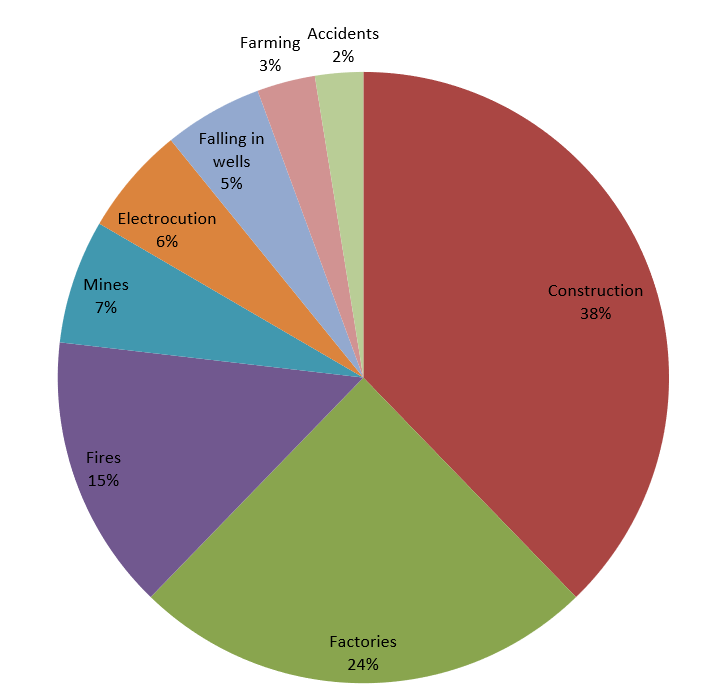
HRA’s Statistic Department: Occupational Accident Classification Chart (May 2, 2020 to April 27, 2021)

Wage Arrears

According to statistics compiled by HRA’s statistic Department, at least 34,318 workers have more than 2,313 months of wage arrears.

However, it should be noted that among the published reports on wage arrears, a large number of reports did not mention the number of workers awaiting wage arrears, which is one of the important factors in the impossibility of providing accurate statistics of workers claiming arrears.

Poverty line and low wages

On Sunday March 14, 2021, the Supreme Labor Council implemented a 39% increase in the minimum wage, that is the minimum monthly salaries were increased from 1 million and 912 thousand Tomans to 2 million and 650 thousand Tomans.

Although the Iranian government has refused to officially announce the poverty line, economic activists believe that the minimum wage is still well below the poverty line even after this increase.

Also, the members of the Supreme Labor Council increased the workers ‘food rations to 450,000 Tomans and the workers’ housing allowance to 600,000 Tomans. It should be noted that housing allowance is not implemented yet and to be implemented must be approved by the Council of Ministers and then be included in the next year’s payroll of workers. These figures are being ratified while the head of the labor faction of the 11th parliament has previously stated that even if the minimum wage rises by 100 percent, workers purchasing power will not return to normal.

In addition, the increase of workers’ salaries by a small amount to 2 million and 650 thousand Tomans has been approved while recently the head of the Supreme Association of Trade Unions, referring to the announcement of the Central bank that poverty line is at 10 million Tomans, said: “Last year the poverty line was 6 million Tomans, which has increased by 4 million Tomans this year.”

On the other hand, Faramarz Tofighi, the workers’ representative in the wage determination committee, had previously said: the acceptable cost of essentials (food, etc) is 6 million and 895 thousand Tomans. This is while in the final agreement, the minimum wage for the year 1400 (Jalali Calendar) is set at only 2 million 656 thousand Tomans, and this is about 3 million Tomans less than what the workers representatives indicated as cost of essentials.

In addition, Ali Asgarian, Deputy of Public Participation of the Relief Foundation, announced: According to the monitoring of the monthly observation center, which defines food poverty line by 1800 sampling points, now the food poverty line is 670 thousand Tomans per person and if the family consider three people with the minimum wage, many working families are below the poverty line or at the food poverty line. He added that about 20 million people in the country need support; “Currently 6.5 million people are covered by the Relief Foundation and there are about 7 million other people who have similar conditions but are not covered by this organization. There are also another 14 million people in need in the country who are not receiving any assistance.”

The minimum wage set by the Supreme Labor Council, according to many experts and labor activists, is much lower than the real inflation rate in the country and lower than the value of the household consumption basket. This is another reason for the continuation of the protests of the working community of the country.

Obligations

Violations against labor rights activists and workers alike are in stark contrast to Iran’s international human rights obligations namely, the Convention on the Rights of the Child (CRC), the International Covenant on Civil and Political Rights (ICCPR), the Convention on Economic Social and Cultural Rights (CESCR), and relevant ILO Conventions. Iran should ensure full implementation of the noted mechanisms and protect the rights of workers’ by removing discriminatory barriers to workplace participation particularly on women and ethnic and religious minorities. In addition, HRA calls on the international community to hold the above and all perpetrators accountable for their actions against Iranian workers’ ending the widespread impunity enjoyed in the Islamic Republic of Iran.


For further inquiries please contact Skylar Thompson, Senior Advocacy Coordinator Human Rights Activists in Iran (HRA) at [email protected]
Spreading Justice: A database of human rights abusers in Iran

Spreading Justice: A database of human rights abusers in Iran

For fifteen years HRA has maintained a victim-centric approach to documenting and reporting on human rights violations in the Islamic Republic of Iran (IRI); The primary focus has been to document rights abuses and highlight the crimes perpetrated against victims. Through the years, while perpetrators have enjoyed widespread impunity, victims have endlessly struggled for justice

On the occasion of the International Day for the Right to the Truth Concerning Gross Human Rights Violations and for the Dignity of Victims, and alongside the adoption of the resolution on the situation of human rights in the IRI at the 46th session of the Human Rights Council, HRA launches Spreading Justice, a database of human rights violators in Iran.

At Tuesday’s closing of the Human Rights Council, organizations, member States, and activists alike called for an end to impunity in Iran.  Spreading Justice was created to equip the international community with a tool to work towards holding perpetrators accountable, increasing both social and political pressure, and ending the widespread impunity that is currently enjoyed throughout the country.

The database, housed at www.spreadingjustice.org, includes unique profiles of both individual and institutional violators; those well known as well as those that seemingly fly under the radar.

Who is included in the database?

While all known violators will be included, Spreading Justice is primarily focused on new human rights violations. While many individuals or institutions included in the database have been committing violations for several years, there are oftentimes recent events that have contributed to their place in the database. By placing a focus on recent events, researchers are better positioned to collect, document, and fact-check information on the violations in question.

Along with profiles of individual violators, such as Masoud Safdari, there are also profiles for institutional violators like the Tehran Islamic Revolutionary Court. Profiles of institutional violators are linked to the profiles of affiliated individuals, both individual violators, as well as individual and group victims. This feature aims to aid in establishing connections for research purposes. Similarly, when users click on a victim’s name, they are directed to a list of any violators within the database that may also be affiliated. 

While the existing profiles are complete, users are able to aid in the development of profiles by anonymously submitting additional information. Informed users are encouraged to submit both missing information and information on violators not currently included through an anonymous, easy to use and secure form. All information submitted through this form is verified for authenticity before being added to the database. Utilizing a tool created by a German University, users are also able to submit information on a wide array of physical appearance indicators. Facemaker, the tool mentioned above, mocks a virtual drawing of the violator based on user submissions. These submissions are compiled for internal comparative analyses.

HRA researchers have spent countless hours collecting, documenting, and verifying the information within the database. All of the information included has been through a strenuous fact-checking process and is verified for authenticity prior to being added. New profiles will continue to be added to the database in real-time as information is collected and verified.

All of the information, documents, and reports collected on violators are both online and stored internally via PDF. Requests for documents can be made through the Contact Us page.

How are the violators profiled?

Over the years, HRA has learned what information is most necessary for stakeholders when working towards holding violators accountable. The lessons learned were taken into consideration when building out the database. The individual violator profiles, where available, include a photo or photos of the violator, evidentiary documents (including witness or victim testimony and/or relevant multimedia), verified articles written by reputable media outlets that have mentioned the violator by name, and a detailed legal review written by Brian Currin, a leading expert in international human rights. One can also find information on work history, current residency, travel history, and educational background.

The profiles include basic information such as full name and any alternative spellings, date of birth, place of birth, and any current institutional affiliation. If a violator has known family members, such as a spouse or child, they are listed by name. Additionally, there is information on physical appearance including, eye color, hair color, height, and weight. Certain aspects of the basic and physical information are categorized into one of three levels of certainty: exact, partial, and approximated. Information categorized as exact is verified and precise. Partial is listed when some part of the information provided is unknown at the time of writing. The approximation category is used when HRA researchers have used approximating techniques with available information to offer a range. Institutional Violators are profiled similarly. Users also have the ability to toggle between both unit and date conversions.

Violators are tagged and searchable by documented victims, identified rights violations, and any relevant institutional affiliation. All of the profiles are available in a downloadable PDF format. Download links are located at the bottom of all violator profiles alongside a form to submit any missing information.

How does one use the database?

Spreading Justice is available in both English and Farsi. Users can search the database utilizing a variety of tagged violation indicators including torture, the right to life, labor rights, women’s rights, social rights, prisoner’s rights, the right to peaceful assembly, freedom of expression and thought, and more. These searches enable those focused on specific violation types to filter. One can also search tags by institutional affiliation such as the Tehran Islamic Revolutionary Court or the Iranian Cyber Police among others. The database is also searchable by victim name to assist lawyers or researchers working on specific cases. There is additionally an option to search by keyword. Users can find the main search tool on theSpreading Justice homepage.

Not simply a database

Spreading Justice is not simply a database, it also offers resources on Iranian power structures and judicial systems, unique reports and analyses on human rights violators in Iran, as well as statistical overviews including a breakdown of the situation of human rights in Iran by province and violation type.

Similarly to the profiles, all of the information found at spreadingjustice.org including statistics, resources, and reports will be updated regularly.


HRA encourages readers to share the Spreading justice database with their networks. For any additional information on Spreading Justice please contact Skylar Thompson, HRA Senior Advocacy Coordinator at [email protected]

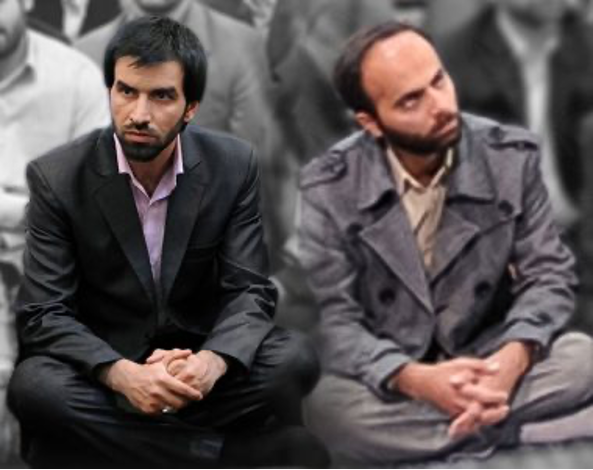
HRANA has identified Revolutionary Guard intelligence members, “Raouf” and “Sattar”

A team of young intelligence forces of the Revolutionary Guards in the internal security sector in the Tehran region

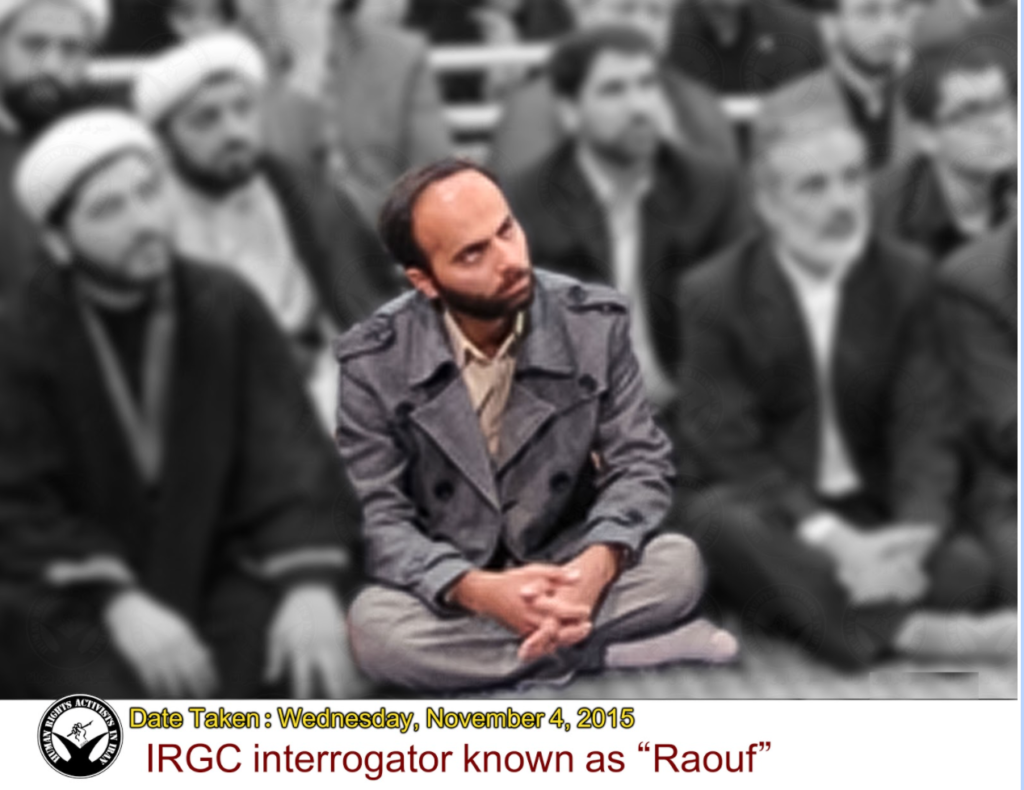
HRANA – Earlier this week, HRANA, the news body of Human Rights Activists in Iran (HRAI), detailed the identification of a man known by a number of names, most notably, Raouf. Raouf is a notorious security force member involved in a number of human rights violations in Iran. Operating in Ward 2A of Evin Prison, which belongs to the IRGC, Raouf is said to have participated in the interrogation and mistreatment of a large number of civil and political activists. 

Although his main place of work is believed to be in Ward 2A of Evin Prison, a number of political-civil activists or family members of prisoners have faced interrogations at the hands of Raouf at other locations, such as offices affiliated with the Revolutionary Guards in Tehran. 

He is responsible for interrogating a large number of political and civil activists, including Arash Sadeghi, Golrokh Erayi, Mahdieh Golroo, Soheil Arabi, Nastaran Naimi, and Athena Daemi. Most of these people are currently serving long prison sentences.

HRANA has spoken to a number of former political prisoners [whose names could not be mentioned for security reasons] personally interrogated by Raouf to confirm the identity and role of this security agent. Some of their statements are detailed below. 

One witness stated, “Raouf slapped me so much during my interrogation that twice I bled after returning to my cell.” 

A former political prisoner, speaking anonymously, told HRANA, detailing his interrogation with Raouf, “He hit me so hard that it caused one of my bones to break. He used a leather belt to beat me often for upwards of ten minutes. He did this while he verbally insulted my family and I.”

A human rights activist who served his sentence in Evin Prison told HRANA, “He was present at all stages of my trial in the Revolutionary Court and repeatedly threatened my peers and I with new cases. He continued, “I still remember his face. I still remember how it bothered my wife
”

Mahdieh Golroo, a former student activist, confirmed Raouf’s role in interrogating her throughout her detention, posting a note on her personal page: “I have complained about his recent threats in Sweden by name, phone, and photo – to no avail.  It is my duty to expose the interrogators and those who destroy the lives of many with impunity.”

Since the original report was released, HRANA received information that Raouf is a pseudonym for the name Ali Hemmatian. We are not yet able to independently confirm and will continue to investigate further.

The below image displays Raouf sitting in the first row of Ayatollah Khamenei’s speech in 2015.

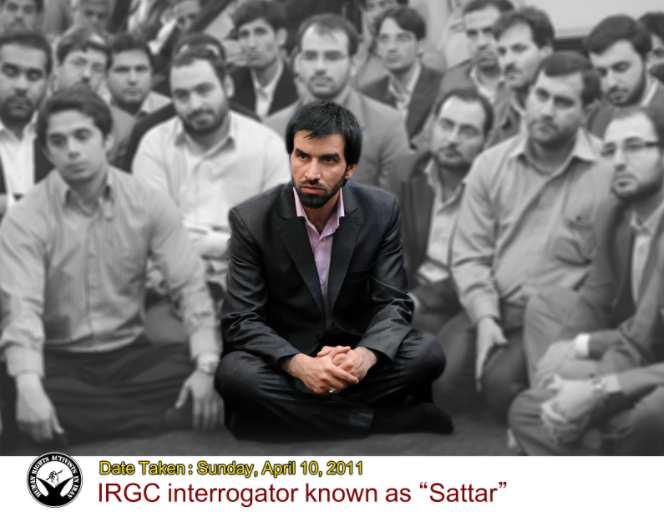
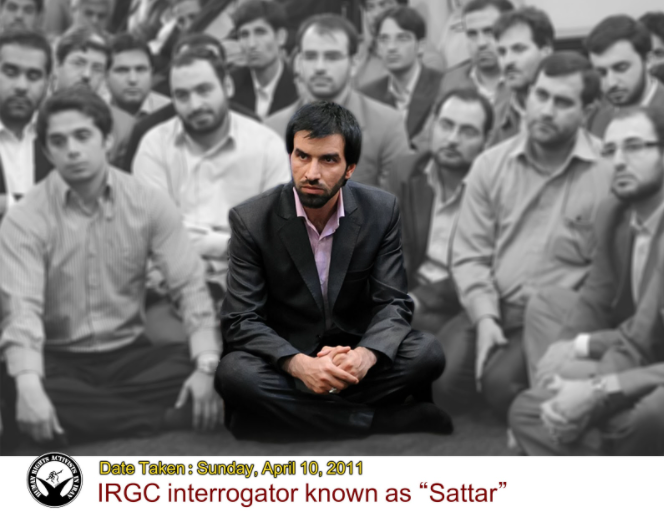
The information about Raouf drew public attention which led to additional witnesses coming forward to identify a number of other security figures within the country. Notably, these witness statements have led to the identification of an IRGC interrogator known as “Sattar.” Sattar is said to have played a role in detaining political prisoners involved in the 2019–20 Iranian protests (also known as Bloody November). 

The following image, which shows a meeting of the directors and researchers of the Islamic Revolutionary Documentation Organization with Ayatollah Khamenei on April 11, 2011, shows Sattar in color.

A group of witnesses, all of whom were detained during the November 2019 protests in Tehran, testified that after being arrested, they were taken to unknown locations where they were beaten and interrogated.

One of the victims told HRANA, “From the beginning of our detention [November 2019], we were blindfolded and then taken to an interrogation facility where we were beaten for several days.”  When asked about the man in question, the victim continued, “His colleagues called him Sattar; this name was perhaps because of the beard style he wore. However, when I saw him in those days,  he had a longer beard and shorter hair than in the 2011  picture [provided above].”

Another witness told HRANA, “While I was closing my business, located on Enghelab Street,  I was arrested by plainclothes men (November 2019). From the beginning of my arrest, I was beaten. In addition to myself, two or three other people were arrested and transported in the same vehicle, to an unknown location. After being transported, we were threatened and interrogated. The plainclothes man violently forced us to admit wrongdoing. This went on for two days before ultimately being handed over to the IRGC detention center in Evin Prison.”

A witness, detained at the same time, confirmed these witness statements and also stated, “There were a combination of forces present at the scene of the arrest that day and during the interrogation. Involved were plainclothes forces, Basij forces, and the IRGC. The person in question, Sattar, was in plain clothes, according to the case file and interrogation documents.” He continued, “When we were finally handed over to the IRGC, it was clear Sattar was affiliated with them.”

Sattar, in addition to the above-mentioned unknown places of interrogation, was also seen at the Yad Yaran Basij Resistance Base located on Argentina Street in Tehran.

Following HRANAs request for information, a number of other victims of Sattar’s interrogations contacted the news agency with information, including a court document discovered by HRANA and which named Sattar as “Massoud Safdari.”

A former prisoner who has experience dealing with the security forces detailed Sattar as the person who was present at the time of his televised forced confession. He told HRANA, “I remember his face very well, he was a rude person who, along with his colleagues, managed the video recording by threatening and intimidating me.” 

Another witness, whose identity is withheld for security reasons, told HRANA, “I was interrogated at an IRGC intelligence base in Tehran Afsariyeh district known as 1Alef. They recorded my televised confession. Sattar didn’t leave me alone even after they recorded their video. He abused me and harassed my family by threatening them over the phone.” 

Some sources also informed HRANA that Sattar, along with a number of other security forces, is living in the district of Shahrak Shahid Mahallati in Tehran.

From the summary of information received and based on the credibility of the sources, it seems that there is a team of young intelligence forces of the Revolutionary Guards in the internal security sector in the Tehran region; their traces can be seen in numerous cases. Sattar (likely Massoud Safdari), Majid Koushki (known as Majid Buffalo), and Massoud Hemmati, known to be on the Raouf team, all likely operating under the leadership of Raouf (likely Ali Hemmatian).

In an effort to complete information about this human rights abuser, HRANA News Agency is calling on victims and those aware of their status to assist in completing these investigations.

HRA Annual Statistical Report of Human Rights Conditions in Iran – 2020

This report contains the 2020’s analytical and statistical annual report on human rights in Iran, prepared by the Department of Statistics and Publications of Human Rights Activists (HRA). This statistical analysis report presented by HRAI is the result of the daily efforts of this organization and its dedicated members as part of a daily statistic and census project that started in 2009 by this organization.

This annual report on human rights violations in Iran (2020) is the collection, analysis, and documentation of 4472 reports concerning human rights, gathered from various news sources during 2020 [January 1st to December 20th]. Human Rights Activists News Agency (HRANA) has gathered and reported 42%, official or close to the Iranian government sources 45% and other human rights news agencies 13% of all the reports analyzed in this Annual Report.

The following 45-pages includes statistical overviews and related charts on various sections regarding women’s rights, children’s rights, prisoners’ rights, etc. Based on this report, despite the 4% decrease in human rights violations reports in provinces other than Tehran, compared to the last year’s annual report, there is still a major concern on lack of proper reporting and monitoring of the human rights by the civil society in the smaller cities.

This report is the result of endeavors made by courageous human rights activists in Iran who pay a very high cost for the realization of their humanitarian beliefs. However, for obvious reasons (i.e. existing governmental limitations and ban on the free exchange of information and government preventing the existence of human right organizations in the country), this report by no means is free of errors and cannot alone be a reflection on the actual status of human right in Iran. Having said that, it should be emphasized that this report is considered as one of the most accurate, comprehensive, and authentic reports on the human rights conditions in Iran and it can serve as a very informative source of information for human rights activists and organizations working on Iran, to better understand the challenges and opportunities that they may face.

Monitoring

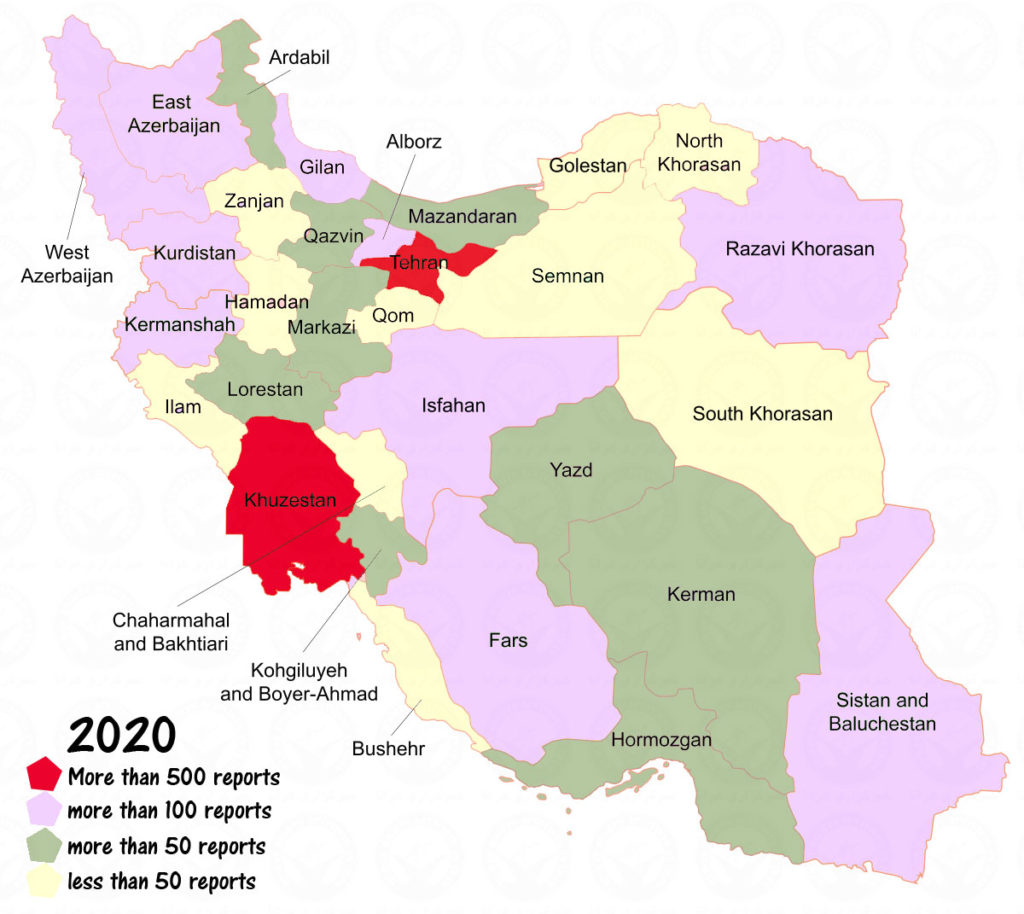
The following map illustrates the number of reports per province made by the human rights organizations and news agencies, this is a direct reflection of the capability of the civil society in each province of the country (2020).

As indicated in the distribution map, there exists a major discrepancy between Tehran, the capital, and other parts of the country in terms of the number of published reports. This is while the census of 2016 reported a population of 13,267,637 in Tehran, compared to a population of 66,658,633 in the rest of the country.

Ethnic Minorities

In the field of national and ethnic minorities’ rights, a total of 234 reports registered by the department of the statistics and publication of Human Rights Activists in Iran (HRAI) in 2020. According to these reports, at least 286 people were arrested, and 39 people were sentenced to a total of 1721 months of prison term. from the total of 1721 months of prison terms issued, 1699 months were imprisonment sentences for 36 individuals, and 22 months were suspended imprisonment sentences for 3 individuals. And a total of 88 individuals were summoned by the security and judicial institutions.

Compared to the previous year there has been a 16.6% decrease in the arrest of ethnic minorities and a35 % decrease in imprisonment sentences.

Religious Minorities

In this category, 136 reports have been registered by the Department of Statistics in 2020. According to these reports, 77 arrests, 49 cases of prevention from economical activities, 126 cases of summon by the judicial and security institutions, and 22 cases of depriving and preventing from education, and 69 cases of police home raids, has taken place.
98 individuals of the religious minorities were sentenced by the judicial institutions to a total of 4351 months of imprisonment. Additionally, the ministry of cultural heritage of Tehran and the Municipality of Tehran demolished the Adventist church of Tehran in the past year.

In the field of religious minorities, the Baha’is constitute the highest of the Human Rights reports on religious minority violations with 45%, Sunnis 26%, Christians 15%, Dervishes 4%, Jews and Yarsans 1%, and others 9%, of the total reports. Note that the reports labeled as “Others” are those that did not belong to a specific group of religious minorities.

The number of citizens arrested in the category of religious minorities has decreased by42 % in 2020 compared to 2019, and the imprisonment sentences issued by the judiciary has increased by28.9 %.

Freedom of Expression

In the category of freedom of thought and expression, in 2020, 883 reports have been registered by the Department of Statistics that included 928 arrested individuals; 287 summonses to the judiciary and security authorities; 4 reports of publication banning; 8 cases of conviction for publications.
In 2020, 420 arrestees were sentenced to a total of 22271 months of imprisonment, that includes 386 individuals sentenced to a total 21523 months in prison and 34 individuals received a total of 748 months of suspended prison terms.
34 people to 191 billion and 765 million rials in financial fines, 85 people get 5844 lashes, and 21 cases of deprivation from civil rights have been reported in this category. Additionally, there has been 40 police home raids recorded.

In the field of Freedom of Expression, there has been a decreased of88.8 % in the reports of arrests compared to the previous year. Similarly, sentences issued by the judiciary have increased by46.5 % based on the number of people being tried, and imprisonment sentences were increased by 52.9 % compared to 2019.

Trade Unions and Associations

In the category of the rights of associations and trade unions in 2020, 359 reports have been registered by the Department of Statistics and Publications. This includes 47 members of the trade union were reported being arrested. Also, in this category, 10 individuals have been sentenced to a total of 554 months in prison, 51 cases of summoning to the judicial and security institutions, and 3930 cases of closing the facilities have been reported.
In 2020, at least 329 protests and 3 union strikes were held. Most of these protests were related to salary/wage demands from corporations, bad economic conditions, and lack of proper management of corporations.
In the category of Trade Unions and Associations, there has been a 31 % decrease in the number of arrests and there has been an 89 % increase in the issue of sentences compared to the previous year.

Academia/ Right to education

In the category of violations of academic rights in 2020, 24 reports have been registered by the Department of Statistics and Publication of Human Rights Activists in Iran. This includes 6 students arrested, 20 students were suspended, and as it was also mentioned in the religious rights section of this report 22 students were prevented from continuing their education because of their religion.
In the category of academia and the right to education, there has been a a94 % decrease in the number of arrests. And based on these reports 1 student was sentenced to 60 months in prison.

Right to Life (Death Penalty)

In the category of right to life, in 2020, 241 reports have been registered by the Department of Statistics and Publication of Human Rights Activists Association in Iran. This included 95 death sentences, 236 death sentences were carried out (including 1 execution in public). Based on the announced identifications of some of the individuals executed, 205 were male and 8 were female.
In addition, 2 juvenile offenders have also been executed in 2020 who were under the age of 18 at the time of committing the crime.
According to these reports, 80% of the executions were based on murder charges. Moreover, 5% charged with rape, another 9% with drug-related charges. 4% were charged with “Waging war against God”, also 1% charged with armed robbery,1% Consumption of alcohol.

The highest number of all death sentences issued are comprised of 80% on murder charges, followed by Drugcharges which make up 9% of the cases.

The province of Alborz ranking first in death sentences in Iranian provinces with 19% of all the death sentences issued, that is due to its two populated and important prisons, followed by Razavi Khorasan province with 12% of all the cases.

The Rajai Shahr prison and Vakil Abad Prison holding the highest number of executions in all prisons in Iran.

According to the statistics, about 0.42% of the executions were carried out in public.

Of those executed in 2020, 3% were female, and 87% were male, while the gender of the other 10% is unknown.
These executions reported by independent sources and human rights associations, indicating that 72% of executions are carried out in secret or without any public notice.

In the category of the death penalty, the execution carried out in comparison to 2019 has decreased by4.8 %. The number of execution sentences issued also has decreased by 12%, and the number of public executions has decreased by 92%.

Cultural Rights

In the category of violations of cultural rights in 2020, 21 reports have been registered by the Department of Statistics and Publication of Human Rights Activists Association in Iran. This included reports on 27 arrests and 4 individuals were sentenced to 257 months of imprisonment, from this number 3 individuals were sentenced to 253 months of imprisonment, while 1 person was sentenced to 4 months of suspended prison term.
1 individual was summoned to the judiciary and security organizations. Moreover, 2 licenses were revoked, 1 person was banned from public speaking or performing, and 1 person was banned from working.
In this category, arrests have increased by51 % compared to the previous year.

Workers’ Rights

In the category of violations of workers’ rights in 2020, 1318 reports have been registered by the Department of Statistics and Publication of Human Rights Activists Association in Iran. This included 30 arrests. 45 workers activists or workers were sentenced to 183 months in prison, and 42 people received 3108 lashes, and 42 people were summoned to judiciary and security organizations.
During 2020, a total of 2011 months of overdue payment of salaries to workers has been reported. 2105 workers were laid off or fired, 2240 cases of unemployment, 18049 lacked work insurance, 3082 workers waiting for work-related decisions. In addition, 1187 people have lost their lives in work-related accidents, and 3259 workers have been injured while at work. On a global scale amongst other counties, Iran ranks 102nd in work safety.
Also, in 2020, at least 473 worker protests and 99 workers strike took place. most of these protests were regarding wages.
Based on these reports the arrest of workers has increased by56 % compared to 2019.

Children’s Rights

In the category of violations of children’s rights in 2020, a total of 176 reports have been registered by the Department of Statistics, however, it should be mentioned because of secretly in the matter of reporting these incidents there is no accurate statistic in this field. These reports included at least 2205 cases of child abuse, 9 cases of rape and sexual abuse of children, 9 cases of murder of childre, 2 self-immolation, 94 cases of child suicide, and more than
1 million students are deprived of education.
Lack of access to devices for virtual education, Child marriages, poverty, cultural context, population density, etc. in Khuzestan province has led to the highest number of deprivations from education in the country.
As mentioned in the right to the life section, at least 2 minor offenders have been executed in Iran during 2020. Additionally, 3 teenagers were sentenced to a total of 264 months of imprisonment.

During the nation-wide protests, 19 children and 1 children’s rights activist were arrested.

Women’s Rights

In the category of violations of women’s rights in 2020, a total of 81 reports have been registered by the Department of Statistics. These reports reflected. At least 572 women were physically and sexually abused, 13 cases of honor-killings,6 self-immolation, 4 cases of acid attacks, and 1 cases of summoned women’s rights activists to judiciary and security organs.
Based on this report 5 women have been detained for reasons related to women’s rights. At least 2 women’s rights activists were sentenced to 180 months in prison.

Prisoners’ Rights

In the category of violations of prisoners’ rights in 2020, a total of 542 reports have been registered, 53 reports on physical assault of prisoners, 366 reports of deprivation
/neglected of medical care, 109 reports of illegal transfer to solitary confinement, 533 attempted hunger strikes, 289 cases of forced transportation or exile, 228 cases of threatening prisoners, 126 cases of banning prisoners of having visitors, 18 cases of torture, 25 case of deaths by diseases,10 arrestees were killed by prison authorities, and 17 prisoners committed suicide, 40 cases of lack of access to lawyers, 1678 reports of prisoners being held in unsuitable circumstances. Also, in this category, there have been 147 cases of keeping prisoners in an unsure state about their sentence and situation.

Security Forces’ Violence and Citizens’ Safety

Death of civilians

This section is dedicated to the killing or injuring of civilians by the police or military institutions. In 2020, a total of 204 people were shot by the military forces; 74 of the victims lost their life including, 36 Kulbar, 5 fuel-Carriers, 33 civilians. 130 people were also injured by the shots of the military forces, including 109 Kulbar, 16 civilian, 5 Fuel-carriers. Addititonally, 9 Kulbers were affected by climate and geographical factors such as freezing and falling from heights, 4 of whom were injured and 5 Kulber lost his life.

Victims of landmines and explosions

The landmines left from the war threaten the lives of civilians of the border cities each year. Iranian government continues manufacture and planting of the anti-personnel mines, and against the international agreements, it believes that the use of these type of landmines is the only effective way in keeping its vast borders safe.

Based on reports, in the past year at least 10 civilians have lost their lives by landmines in the border areas and 14 other civilians have been injured.

Floggings

The International Covenant on civil and Political Rights (ICCPR) has explicitly banned the use of inhuman, or degrading punishments, such as flogging. However, based on the gathered reports in 2020, flogging sentences were carried out for at least 14 accused who were sentenced to a total of 874 floggings. The sentence of 3 of the accused for a total of 222 floggings were carried out in public.

It should be noted that, the judiciary has also issued a total of 23946 flogging sentences in the past year.

Intervention in personal affairs of civilians

In 2020, at least 209 civilians were arrested for attending or hosting personal gatherings and parties. This number is based on 8 official reports of the country.

Additionally, in 2020, at least 180 group of civilians –mostly consist of those who have lost money (exacerbated economically) or those whose civilian rights have been violated– have organize protests for not being able to fulfill their asking and demands. These protests took place in 24 provinces. Tehran, Eastern Azerbaijan, Khuzestan, and Khorasan Razavi were the provinces with most protests.

Sentences

In 2020, the judiciary of the Iranian government, including the initial court and appeal, issued 29841 months of imprisonment. These reports included; 1721 months of imprisonment for the ethnic minorities, 4351 months of imprisonment for religious minorities; 22271 months of imprisonment in the category of freedom of expression, 554 months of imprisonment in the category of Unions, 183 months of imprisonment for workers, 257 months of imprisonment in cultural category, 264 months of imprisonment in children’s rights category, 180 months of imprisonment in women’s rights category, and 60 months of imprisonment for students.
These statistics only include the court sentences that indicated detailed information or characteristics of the verdicts.

A total of One hundred and ninety-four billion and seven hundred and forty-six million rials in fines and 9182 lashes has been issued in 2020.

In 2020, the number of convictions of citizens or activists has increased by35 %. Moreover, the convictions of religious minorities increased by 28.9%, ethnic minorities decreased by 35%, and freedom of expression has been increased by 52.9%, unions increased by 89%, in the cultural field increased by 38%, workers decreased by 73%, women’s rights decreased by 80%, and in the students category decreased by 89%.

Arrests

In 2020, the security forces arrested 1426 individuals because of political or civil rights-related activities.
The statistical analysis exhibited 47 case of arrest in the trade union category, 286 arrests in the category of ethnic minorities, 77 arrests in the category of religious minorities, 928 arrests in the category of freedom of expression, in the children’s rights category 20 arrests, 6 arrests of students in the category of Academia/right to education, 27 arrests in the field of culture, and 30 arrests in the category of workers’ rights.
Moreover, 5 women were prosecuted for their activities, and promotion of their lifestyle; 3 of whom were arrested for modeling, and the other two for participating in sports.

In 2020, the number of arrests decreased by84 %. According to these reports, the number of arrests decreased in ethnic minorities by 16.6%, culture increased by 51%, religion minorities decreased by 42%, unions decreased by 31%, students decreased by 94%, workers’ rights increased by 56%, and in the category of freedom of expression decreased by 88.8%.

This is the brief version and the full report is available for download in PDF format.

Human Rights Activists (in Iran)

Department of Statistics and Publications

December 2020

It is Time that Iran be Held Accountable

Last month the world turned its attention to Iran for its seemingly arbitrary transfer of a detained British-Australian academic. Kylie Moore-Gilbert, who was detained in September 2018 and is serving a ten-year sentence, was moved from the notorious Evin Prison to an unspecified
location. When Human Rights Activists News Agency (HRANA) released the report, nearly every major media publication across the globe once again jumped to denounce her detention.Widespread speculation as to Moore-Gilbert’s whereabouts ensued.

As a human rights professional who focuses on Iran, it was gratifying to see such a swift and appropriate response. However, what about the countless grave and horrific human rightsviolations that happen every day in this country? Violations that are so numerous that they have become seemingly rote.


In the week following Moore-Gilbert’s transfer, peaceful protestors outside Iran’s Ministry of Petroleum were violently attacked by Regime Security Forces. In the month of October, at least 130 Iranians were arrested for activities related to their political or ideological beliefs; 83 of which involved the detention of individuals participating in peaceful gatherings related to the ongoing Armenian-Azerbaijani conflict.


Iran carried out 19 hangings in the month of October alone, sentencing an additional 8 to that same fate throughout the month.


At least 12 members of the BahĂĄÊŒĂ­ religious minority were barred from entering university based solely on their religious beliefs. One man received 80 lashes for converting to Christianity; a thief was sentenced to having his hand amputated.

Iranian courts tried more than 70 political cases which resulted in convictions that totaled 295 years in prison and 2,590 lashes. A cleric was summoned to court for suggesting there was no problem with women riding a bicycle, an activity for which all women in the country are banned.
Two women, who wrote a letter requesting the resignation of the Supreme Leader, were each sentenced to 33 years in prison. A teacher was sentenced to 45 lashes for drawing a cartoon.


This list is by no means exhaustive.


These violations are not a secret. HRANA, the very source that initially reported on Moore-Gilbert’s move, reported and continues to report on the numerous human rights violations happening daily in Iran against Iranians, as well as dual and foreign nationals. There remains
little to no response.

Why is this?
I do not have the answer to that question, but I do know the differences these cases bear. The violations listed above are against Iranian citizens; Moore-Gilbert is a foreigner. Her case is, therefore, more appealing to the press it garners a more widespread response – and outcry.


I’m reminded of a quote from Howard Bakerville, a young American who famously became a martyr of Iran’s Constitutional Revolution; he once said, “The only difference between me and these people is my place of birth, and that is not a big difference.” Today I fear there are times, unacceptably so, that this is the difference between life and death, between respect for rights and deprivation thereof. Will the world only shine the light on Iran when a Westerner is tangled in its web? Under international human rights law, States have a duty to respect, protect, and fulfill the rights of those within their jurisdiction. It’s time that Iran be held accountable to its own citizens just as it is to those dual and foreign nationals that find themselves trapped within the confines of a state where deprivation of fundamental human rights continues to be the norm.

Moore-Gilbert has since been returned to Evin Prison. Her return, much like her move, was documented extensively. The reason for her move remains unknown

Skylar Thompson is a Senior Advocacy Coordinator with Human Rights Activists in Iran (HRAI). For inquiries please
contact email: [email protected]