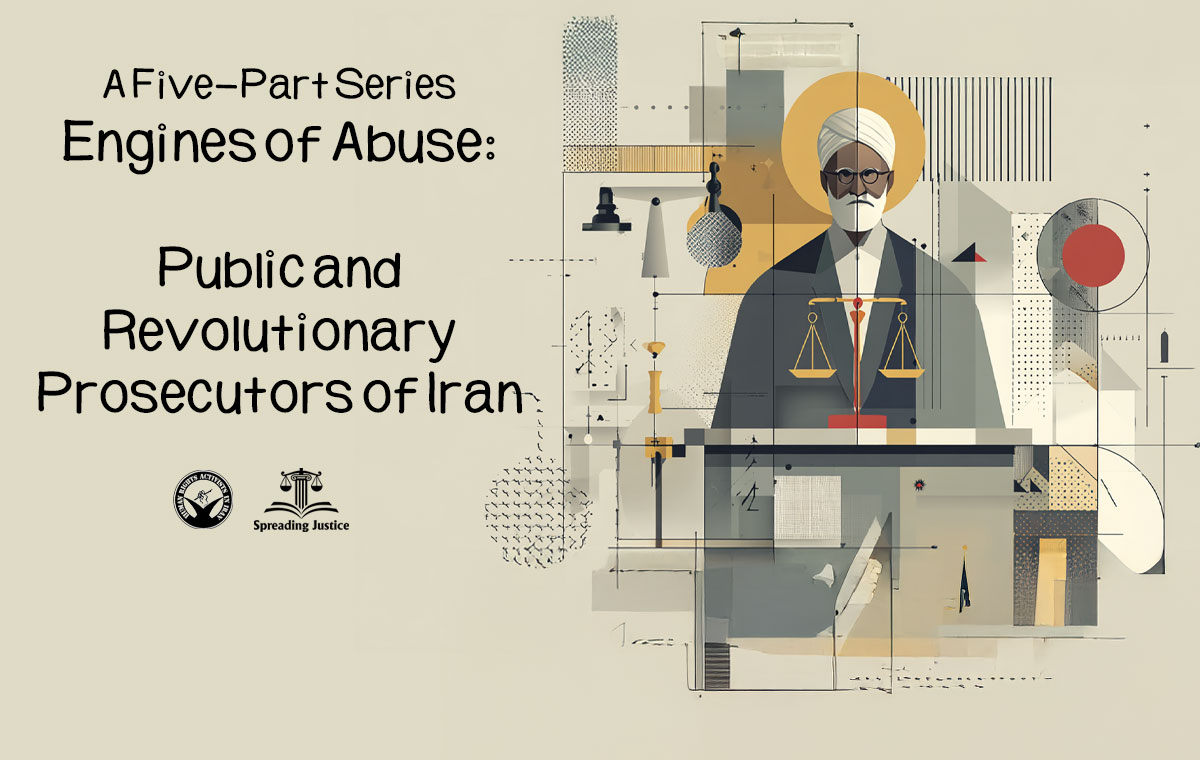

Engines of Abuse: A Five Part Series V

This report is the final article in a five-part series published by Spreading Justice, a project of Human Rights Activists in Iran (HRA). The purpose of this series is to expose individuals within the Iranian regime who facilitate and support serious human rights violations and breaches of international law.

Currently, the Spreading Justice database contains profiles of over a thousand individuals and entities implicated in such violations. This series of articles has not only introduced these individuals but also analyzed the positions they occupy, positions that perpetuate the institutionalized cycle of repression and human rights violations, and examines how and why these roles contribute to the reproduction of such abuses.

Under Iranian law, the general duties of the Law Enforcement Command of the Islamic Republic of Iran[1] are defined clearly. Although the law does not detail the specific responsibilities of a “County Law Enforcement Commander,” one can infer these duties based on the mandates of county governors and local security authorities.

According to Iranian law, the general mission and duties of the force include:

  1. Establishing order and security and ensuring public and individual peace.

  2. Confronting and continuously combating all forms of sabotage, terrorism, uprisings, and actions that disrupt national security, in cooperation with the Ministry of Intelligence.

This can be understood to include securing the environment for legal and authorized gatherings, organizations, demonstrations, and activities, as well as preventing and confronting unauthorized gatherings and protests and dealing with unrest, disorder, and illegal activities.

While the Law Enforcement Command of the Islamic Republic of Iran is responsible for obtaining news and intelligence within its jurisdiction and cooperating with other intelligence bodies, it is required to immediately submit any political or security-related information encountered in the course of its duties to the Ministry of Intelligence after such information is gathered and compiled.

In addition, the Law Enforcement Command must, upon request, provide the necessary personnel to support the Ministry of Intelligence’s intelligence-gathering missions. These personnel are placed under the Ministry’s operational control, thereby directly linking the Law Enforcement Command to the activities of the Ministry of Intelligence.

Article 15 of the same law further provides that cooperation with other armed forces of the Islamic Republic of Iran, including the Basij Resistance Forces, may take place when necessary and subject to coordination with the Islamic Revolutionary Guard Corps (IRGC).

Accordingly, given the role of the County Law Enforcement Commander and their institutional links to the County Security Council[2], the County Governor, and other security and law enforcement bodies, directing local forces to carry out these responsibilities falls within the scope of the commander’s duties.

The County Law Enforcement Commander is also a member of the County Security Council, which may convene extraordinary sessions in urgent situations.

Case Study: Role of the County Law Enforcement Commander in Human Rights Violations

During the nationwide protests of 2022, at least three citizens were killed in the city of Sari alone. Dozens of other protesters were injured or arrested by security and law enforcement forces. Abdollah Hassanzadeh Moghaddam[3], serving as the Law Enforcement Commander of Sari County and a member of the County Security Council, played a fundamental role in the violations of citizens’ rights committed by law enforcement forces in Sari.

Investigations by HRA at the time confirmed that law enforcement forces used pellet guns during the crackdown.

For example, Mohammad Javad Zahedi Saravi[4] was killed in Sari during the suppression of protests by the pellet gunfire of the Law Enforcement Command of the Islamic Republic of Iran (FARAJA). According to investigations that took place at the time, HRA found that four-pellet shotgun rounds (9 pellets) struck his head and internal arteries. In this case, the use of pellet guns by law enforcement is undeniable, and the forensic medical report confirmed that his death resulted from shotgun pellet impacts (multiple high-velocity projectiles causing perforations in the lungs, liver, and spleen, as well as hemorrhagic shock due to massive bleeding).

Such firearms are typically used in hunting, sport, and sometimes in warfare or law enforcement. HRA has also reported that, based on testimonies and credible video evidence, pellet wounds were not limited to the lower body of protesters, but also appeared on various parts of the body, from the face to the upper torso. This practice was not limited to the city of Sari.

Spreading Justice’s Information on Past and Current County Law Enforcement Commanders

NameCurrent PositionWorkplaceLink
Najm al-Din SohrabiCounty Law Enforcement Commander of KhorramshahrKhorramshahrhttps://spreadingjustice.org/individual-violator/sj41296/
Saeed Yousefi Fa’alCounty Law Enforcement Commander of ArdabilArdabilhttps://spreadingjustice.org/individual-violator/sj87540/
Abdollah Hassanzadeh MoghaddamCounty Law Enforcement Commander of SariSarihttps://spreadingjustice.org/individual-violator/sj36762/
Seyed Jafar AfzaliCounty Law Enforcement Commander of MahmoudabadMahmoudabadhttps://spreadingjustice.org/individual-violator/sj51873/
Ruhollah BigdeliCounty Law Enforcement Commander of BaviBavihttps://spreadingjustice.org/individual-violator/sj46442/
Amir VahabzadehCounty Law Enforcement Commander of Bandar AnzaliBandar Anzalihttps://spreadingjustice.org/individual-violator/sj62574/
Peyman FattahiCounty Law Enforcement Commander of ShahriarShahriarhttps://spreadingjustice.org/individual-violator/sj58671/
Habib RazdarCounty Law Enforcement Commander of KhashKhashhttps://spreadingjustice.org/individual-violator/sj97220/
Hossein AhmadiCounty Law Enforcement Commander of NeyshaburNeyshaburhttps://spreadingjustice.org/individual-violator/sj84105/
Shahpour FallahiCounty Law Enforcement Commander of ZahedanZahedanhttps://spreadingjustice.org/individual-violator/sj49161/
Mehdi PouraminaeiCounty Law Enforcement Commander of KermanKermanhttps://spreadingjustice.org/individual-violator/sj19347/
Younes DehghaniCounty Law Enforcement Commander of JamJamhttps://spreadingjustice.org/individual-violator/sj71926/
Yadollah TahmasianCounty Law Enforcement Commander of GharchakGharchakhttps://spreadingjustice.org/individual-violator/sj46251/
Gholamhossein ArabCounty Law Enforcement Commander of DamghanDamghanhttps://spreadingjustice.org/individual-violator/sj89871/
Akbar DarvishiCounty Law Enforcement Commander of BabolsarBabolsarhttps://spreadingjustice.org/individual-violator/sj38594/
Ali Dadash TabarCounty Law Enforcement Commander of BabolBabolhttps://spreadingjustice.org/individual-violator/sj04724/
Mohammad TouhidiCounty Law Enforcement Commander of UrmiaUrmiahttps://spreadingjustice.org/individual-violator/sj14047/
Kambiz RostamniaCounty Law Enforcement Commander of QorvehQorvehhttps://spreadingjustice.org/individual-violator/sj19486/
Amir MokhtariCounty Law Enforcement Commander of QomQomhttps://spreadingjustice.org/individual-violator/sj25245/
Javad MaravenehCounty Law Enforcement Commander of Dasht-e AzadeganDasht-e Azadeganhttps://spreadingjustice.org/individual-violator/sj67694/
Mehdi MahdavikiaCounty Law Enforcement Commander of BorujerdBorujerdhttps://spreadingjustice.org/individual-violator/sj90599/
Seyed Mohammad MousaviCounty Law Enforcement Commander of KohgiluyehKohgiluyehhttps://spreadingjustice.org/individual-violator/sj35635/
Hedayat ShahbaziCounty Law Enforcement Commander of RamhormozRamhormozhttps://spreadingjustice.org/individual-violator/sj46195/
Alireza DeliriCounty Law Enforcement Commander of KermanshahKermanshahhttps://spreadingjustice.org/individual-violator/sj74428/
Shahram Tolabi NejadCounty Law Enforcement Commander of ArdakanArdakanhttps://spreadingjustice.org/individual-violator/sj09038/
Eskandar JamashianiCounty Law Enforcement Commander of BaghmalekBaghmalekhttps://spreadingjustice.org/individual-violator/sj79663/
Seyed Ghasem MousaviCounty Law Enforcement Commander of ShadeganShadeganhttps://spreadingjustice.org/individual-violator/sj52549/
Hamidreza BaharvandCounty Law Enforcement Commander of Masjed SoleymanMasjed Soleymanhttps://spreadingjustice.org/individual-violator/sj06349/
NamePrevious PositionCurrent PositionLinkWorkplace
Mahmoud Sa’adatiCounty Law Enforcement Commander of ZahedanUnknownhttps://spreadingjustice.org/individual-violator/sj01965/Unknown
Saeed ZeinaliCounty Law Enforcement Commander of YazdHead of Preventive Police, Yazd Provincehttps://spreadingjustice.org/individual-violator/sj77921/Yazd
Ali Akbar KhosraviCounty Law Enforcement Commander of ChalousHead of Intelligence Police, Mazandaran Provincehttps://spreadingjustice.org/individual-violator/sj49046/Sari
Davoud MorsaliCounty Law Enforcement Commander of ZanjanRetiredhttps://spreadingjustice.org/individual-violator/sj54861/
Ali TajariCounty Law Enforcement Commander of GorganUnknownhttps://spreadingjustice.org/individual-violator/sj51991/Unknown
Yousef DarvishiCounty Law Enforcement Commander of Dehgolanhttps://spreadingjustice.org/individual-violator/sj25050/Deceased
Bijan KhodaeiCounty Law Enforcement Commander of QazvinUnknownhttps://spreadingjustice.org/individual-violator/sj27566/Unknown
Ahmad NeghabanCounty Law Enforcement Commander of MashhadCommander of Yazd Province Law Enforcement Commandhttps://spreadingjustice.org/individual-violator/sj80255/Yazd
Jafar Shams BiranvandCounty Law Enforcement Commander of VaraminHead of Preventive Police, East Tehran Province Commandhttps://spreadingjustice.org/individual-violator/sj48309/Tehran
Ramazan AllahverdiyanCounty Law Enforcement Commander of TabrizUnknownhttps://spreadingjustice.org/individual-violator/sj64438/Unknown
Alireza SayyadCounty Law Enforcement Commander of BampurUnknownhttps://spreadingjustice.org/individual-violator/sj93992/Unknown
Mohammad TabassiCounty Law Enforcement Commander of QuchanRetiredhttps://spreadingjustice.org/individual-violator/sj57024/
Salman HeydariCounty Law Enforcement Commander of BukanUnknownhttps://spreadingjustice.org/individual-violator/sj24494/Unknown
Hassan Sheikh NejadCounty Law Enforcement Commander of UrmiaUnknownhttps://spreadingjustice.org/individual-violator/sj57618/Unknown
Ali SoleimaniCounty Law Enforcement Commander of SavojbolaghDeputy of Training and Education, Alborz Province Commandhttps://spreadingjustice.org/individual-violator/sj67184/Karaj
Mehdi KhademiCounty Law Enforcement Commander of QaemshahrHead of Preventive Police, Mazandaran Provincehttps://spreadingjustice.org/individual-violator/sj06638/Sari
Ali SafariCounty Law Enforcement Commander of SaqqezUnknownhttps://spreadingjustice.org/individual-violator/sj34240/Unknown
Hossein BesatiCounty Law Enforcement Commander of IsfahanDeputy Commander of Isfahan Province Law Enforcementhttps://spreadingjustice.org/individual-violator/sj84755/Isfahan
Houshang MobarakiCounty Law Enforcement Commander of Eslamabad-e GharbHead of Anti-Narcotics Police, Kermanshah Provincehttps://spreadingjustice.org/individual-violator/sj66155/Kermanshah
Alireza SafariCounty Law Enforcement Commander of QorvehRetiredhttps://spreadingjustice.org/individual-violator/sj34191/
Mohammadreza KhodadoostCounty Law Enforcement Commander of IsfahanUnknownhttps://spreadingjustice.org/individual-violator/sj68854/Unknown
Hamidreza AkbariCounty Law Enforcement Commander of IsfahanRetiredhttps://spreadingjustice.org/individual-violator/sj47612/
Hossein BarariCounty Law Enforcement Commander of KermanshahUnknownhttps://spreadingjustice.org/individual-violator/sj15925/Unknown
Rouhollah AsgarizadehCounty Law Enforcement Commander of Dasht-e AzadeganDeputy Commander, Ahvaz County Law Enforcementhttps://spreadingjustice.org/individual-violator/sj81094/Ahvaz
Kazem NeisiCounty Law Enforcement Commander of BehbahanUnknownhttps://spreadingjustice.org/individual-violator/sj46908/Unknown
Akbar AghabeygiCounty Law Enforcement Commander of MashhadRetiredhttps://spreadingjustice.org/individual-violator/sj47397/
Abbas Saremi SadatiCounty Law Enforcement Commander of MashhadRetiredhttps://spreadingjustice.org/individual-violator/sj93335/
Hossein ZolaghiCounty Law Enforcement Commander of AhvazDeputy of Operations, Khuzestan Province Law Enforcementhttps://spreadingjustice.org/individual-violator/sj37349/Ahvaz
Kourosh BahramiCounty Law Enforcement Commander of Shahr-e KordHead of Preventive Police, Chaharmahal and Bakhtiari Provincehttps://spreadingjustice.org/individual-violator/sj44948/Shahr-e Kord
Mahmoud HafeziCounty Law Enforcement Commander of RashtActing Head of Criminal Investigation Police, Fars Provincehttps://spreadingjustice.org/individual-violator/sj21389/Shiraz
Mohammad AziziCounty Law Enforcement Commander of BehbahanRetiredhttps://spreadingjustice.org/individual-violator/sj68154/
Farshid ZeinaliCounty Law Enforcement Commander of MarvdashtRetiredhttps://spreadingjustice.org/individual-violator/sj70908/
Elyas TazikehCounty Law Enforcement Commander of Aliabad KatoulUnknownhttps://spreadingjustice.org/individual-violator/sj66643/Unknown
Soleiman BayramiBorder Guard Commander in Sardasht CountyUnknownhttps://spreadingjustice.org/individual-violator/sj40158/Unknown
Morteza TalaeiLaw Enforcement Commander of Tehran CityRetiredhttps://spreadingjustice.org/individual-violator/sj37511/
Mahmoud AlifarCounty Law Enforcement Commander of Gonbad-e Kavus
Retired  
https://spreadingjustice.org/individual-violator/sj68355/
Kioumars PakdelCounty Law Enforcement Commander of KhoyUnknownhttps://spreadingjustice.org/individual-violator/sj73669/Unknown
Mohammad Hossein BabakalaniCounty Law Enforcement Commander of NajafabadRetiredhttps://spreadingjustice.org/individual-violator/sj17987/
Seyed Mohsen TaghizadehCounty Law Enforcement Commander of AbadanRetiredhttps://spreadingjustice.org/individual-violator/sj23845/
Abbas MohammadiCounty Law Enforcement Commander of AligudarzUnknownhttps://spreadingjustice.org/individual-violator/sj38285/Unknown
Reza PapiCounty Law Enforcement Commander of MahshahrUnknownhttps://spreadingjustice.org/individual-violator/sj05561/Unknown

[1] Law on the Duties and Structure of the National Security Council, adopted on July 17, 1990, The Research Center of the Islamic Consultative Assembly (Majles). Available at: https://rc.majlis.ir/fa/law/show/91805

[2] Law on the Duties and Structure of the National Security Council, adopted on August 30, 1983, The Research Center of the Islamic Consultative Assembly (Majles) . Available at: https://rc.majlis.ir/fa/law/show/90807

[3] Spreading Justice, “Individual Profile: Abdollah Hassanzadeh Moghaddam”: [https://spreadingjustice.org/individual-violator/sj36762/](https://spreadingjustice.org/individual-violator/sj36762/)

[4] HRANA News Agency, “The Case of Mohammad Javad Zahedi: Shotgun Ammunition Used by Security Forces Is Lethal” (19 October 2022), available at https://www.hra-news.org/2022/hranews/a-37331/

Engines of Abuse: A Five Part Series IV

This report marks the fourth in a series of five articles published by HRA through its Spreading Justice Project, dedicated to shedding light on the roles within Iran that enable and sustain serious human rights violations, as well as violations of international law. The Spreading Justice database currently contains over a thousand profiles of individuals implicated in such abuses. This series aims not only to highlight who these individuals are but also to examine how and why the positions they occupy perpetuate the entrenched cycle of repression and abuse.

Definition and Nature of the “Prison Warden” in the Legal System of the Islamic Republic of Iran

The administration of all facilities for holding incarcerated persons (including prisons, detention centers, juvenile correctional institutions, and camps) is vested in the Prisons and Security and Corrective Measures Organization of the Islamic Republic of Iran. The “Head of the Penal Institution (Prison Warden)” is the highest executive authority in each facility and is entrusted with implementing laws and regulations, maintaining order and security, supervising staff, protecting prisoners’ rights, and coordinating with judicial authorities.[1]

The Role of the Prison Warden in Upholding Prisoners’ Rights

Based on the Executive Regulation of the Prisons and Security and Correctional Measures Organization (2021), the prison warden is obliged to:

  • Ensure the implementation of laws, decisions of classification and disciplinary councils, and orders of judicial authorities;
  • Supervise the behavior of staff toward prisoners and their families;
  • Safeguard the institution’s security, prevent the entry of prohibited items, and manage incidents (including death, suicide, etc.);
  • Organize welfare, healthcare, nutrition, education, employment, and rehabilitation programs;
  • Pursue the use of electronic systems to record prisoners’ status and rights (Judiciary of the Islamic Republic of Iran, 2021, Article 9 and relevant chapters on structure and principles).

Consequently, many of the violations of prisoners’ rights are attributable to the prison warden when: (a) the warden personally commits unlawful conduct (such as degrading or violent behavior), or (b) the warden fails to fulfill supervisory and preventive duties, and such failure results in a violation of rights.

Understanding the Role of the Prison Warden in “Carrying Out Capital Punishment and Hudud (prescribed penalties under Islamic criminal law) Penalties.”

The Regulation on the Procedure for the Execution of Sentences of Hudud, Capital Punishment, Amputation, Qisas of Life, Limb and Injury, Diyah, Flogging, Exile, Banishment, Mandatory Residence, and Prohibition of Residence in Certain Locations (Regulation No. 9000/27863/200, dated 17 June 2019, issued by the Iran Head of the Judiciary)[2] sets specific duties for the prison warden and/or deputy warden, including:

  • Article 8: The criminal enforcement judge and the prison warden or deputy are obliged, before the execution of the sentence, to verify the identity based on valid identity documents or other conclusive evidence. If such documents are not presented or accessible, identity must be confirmed through inquiry with the Civil Registration Organization and other relevant authorities, and the results must be recorded in the case file.
  • Article 35: The prison warden or deputy, acting solely in an administrative capacity, is obliged, pursuant to the order of the criminal enforcement judge, to facilitate the prisoner’s meeting with designated individuals.

Note: The meeting referred to here is the prisoner’s last meeting before execution. However, the regulation itself does not use the term ‘last meeting,’ and instead refers simply to a ‘meeting.’

  • Article 39: In cases where the place of execution is outside the prison (i.e., a public execution), the prison warden or deputy, in addition to participating in the execution of capital punishment, is obliged to verify the incarcerated person’s identity against the court judgment by reviewing identity documents or other reliable evidence, confirm it, and sign the official record.
  • Article 43: Preparation of the execution arrangements, following the notification by the Enforcement Judge, is among the duties of the prison warden or the deputy. The notification of the execution must be given at least 48 hours in advance to allow for the necessary arrangements.
  • Article 44: After the execution of a capital punishment, the criminal enforcement judge must prepare an official record of the proceedings, which must be signed by the prison warden or deputy, the forensic physician or trusted physician, the victim’s heirs or their lawyer or representative (if present), and the local police chief or deputy.

This regulation was enacted pursuant to Article 216 of the 2013 Islamic Penal Code[4] and Article 549 of the 2013 Code of Criminal Procedure[5].

In many Iranian prisons, violations extend beyond domestic laws governing detainee treatment to breaches of international legal standards. For example, Article 10 of the International Covenant on Civil and Political Rights—which requires the humane treatment of prisoners and respect for their inherent dignity—is routinely violated through the actions of, and under the responsibility of, prison wardens in Iran.For example, in September this year, Babak Shahbazi[6] was executed in Ghezel Hesar Prison in Karaj on charges of “espionage and intelligence and security cooperation with Israel.”

Allahkaram Azizi[7], the head of Ghezel Hesar Prison in Karaj, played a central role as the official responsible for coordinating and supervising the implementation of judicial rulings. He was instrumental in preparing the grounds, issuing orders, overseeing the presence of security and medical personnel, and carrying out the execution.

In another case, a prisoner named Amir Neysi[8] died in Ahvaz Central Prison due to a severe infection and lack of adequate medical care in prison.

According to a report by HRANA, he had recently contracted an internal infection, and despite a rising fever and the worsening of his physical condition, prison authorities refused to transfer him to a medical facility outside the prison.

Khosrow Torofi[9], the head of this prison, who is responsible for the supervision and protection of the lives of prisoners, is responsible in part for these violations.

Spreading Justice Information on the Prison Wardens of the Past and Present

One of the core goals behind establishing the Spreading Justice initiative was to show how officials implicated in human rights violations continue to be promoted, protected, or kept in their posts despite the allegations against them.

Recently, however, the Prisons, Security, and Corrective Measures Organization, part of Iran’s Judiciary, has restricted access to the news section of its website for users outside Iran. This has prevented the documentation of key information, including the new workplace assignments of former prison wardens. These updates now appear to be deliberately concealed, obscuring their movement up the chain of command.

Despite this, Spreading Justice continues to complete and update these records through alternative methods. To counter such tactics, our database enables users to download PDF versions of reports and other relevant documents, ensuring that even if similar restrictions are imposed elsewhere, the removal of online content will not prevent access to essential information.

NameCurrent PositionLinkLocation
Omid SalehiHead of Kermanshah Central Prisonhttps://spreadingjustice.org/individual-violator/sj56750/Kermanshah
Allah Karam AziziHead of Ghezel Hesar Prison in Karajhttps://spreadingjustice.org/individual-violator/sj67409/Karaj
Khosrow TorofiHead of Ahvaz Central Prisonhttps://spreadingjustice.org/individual-violator/sj32049/Ahvaz
Morteza PiriHead of Zahedan Prisonhttps://spreadingjustice.org/individual-violator/sj08341/Zahedan
Hassan Madadi MoghadamHead of Yazd Central Prisonhttps://spreadingjustice.org/individual-violator/sj25978/Yazd
Dariush BakhshiHead of Urmia prisonhttps://spreadingjustice.org/individual-violator/sj51196/Urmia
Mohammad Haji MazdaraniHead of Great Tehran Penitentiaryhttps://spreadingjustice.org/individual-violator/sj93937/Tehran
Hedayat FarzadiHead of Evin prison in Tehranhttps://spreadingjustice.org/individual-violator/sj91552/Tehran
Hadi Esmaiel ZadeganHead of  Vakil Abad Prison in Mashhadhttps://spreadingjustice.org/individual-violator/sj52619/Mashahd
NamePrevious PositionCurrent PositionLinkLocation
Ashkan KamaliFormer head of Qezel Hesar prison in KarajUnknownhttps://spreadingjustice.org/individual-violator/sj50106/Unknown
Reza MoazzenFormer head of Arak Central PrisonUnknownhttps://spreadingjustice.org/individual-violator/sj07205/Unknown
Mahmoud TorabiFormer head of Rasht Central PrisonUnknownhttps://spreadingjustice.org/individual-violator/sj00114/Unknown
Seyd Morad NasirianFormer head of Isfahan Central PrisonUnknownhttps://spreadingjustice.org/individual-violator/sj09277/Unknown
Hossein ShalikarFormer Head of Sari PrisonUnknownhttps://spreadingjustice.org/individual-violator/sj26447/Unknown
Gholamreza ZiaeiFormer Head of Evin PrisonUnknownhttps://spreadingjustice.org/individual-violator/sj88930/Unknown
Abbas RamezaniFormer Head of Qazvin PrisonUnknownhttps://spreadingjustice.org/individual-violator/sj13792/Unknown
Hamid MohammadiFormer Head of Evin PrisonUnknownhttps://spreadingjustice.org/individual-violator/sj92037/Unknown
Yaghoub Sarbaz JodaFormer Head of Ardabil Central PrisonUnknownhttps://spreadingjustice.org/individual-violator/sj83453/Unknown
Bahman ShirafkanHead of Nowshahr PrisonUnknownhttps://spreadingjustice.org/individual-violator/sj18348/Unknown

[1]Prisons and Security and Correctional Measures Organization. (2021). Executive regulation of the Prisons and Security and Correctional Measures Organization [PDF]. Ekhtebar. https://www.ekhtebar.ir/wpcontent/uploads/2021/05/آیین%E2%80%8Cنامهاجراییسازمانزندان%E2%80%8Cهاواقداماتتامینیوتربیتیکشور.pdf

[2] Regulation on the Procedure for Execution of Hudud Sentences, Capital Punishment, Amputation, Qisas of Life, Limb and Injury, Diyah, Flogging, Exile, Banishment, Mandatory Residence and Prohibition of Residence in Certain Locations. (2019, June 17). Regulation No. 9000/27863/200 [PDF]. Ekhtebar. https://www.ekhtebar.ir/%D8%A2%DB%8C%DB%8C%D9%86%E2%80%8C%D9%86%D8%A7%D9%85%D9%87%D9%86%D8%AD%D9%88%D9%87-%D8%A7%D8%AC%D8%B1%D8%A7%DB%8C-%D8%A7%D8%AD%DA%A9%D8%A7%D9%85-%D8%AD%D8%AF%D9%88%D8%AF%D8%8C-%D8%B3%D9%84%D8%A8-%D8%AD/

[3] “Iran: Islamic Penal Code (Approved April 21, 2013),” Ekhtebar (PDF), https://www.ekhtebar.ir/wpcontent/uploads/2013/05/قانونمجازات-92-1.pdf.

[4] “Criminal Procedure Code of Iran, with Amendments 2015,” Ekhtebar (PDF), https://www.ekhtebar.ir/wpcontent/uploads/2015/06/قانونآییندادرسیکیفریبااصلاحات-1394-سایتحقوقیاختبار1.pdf.

[5] Judiciary of the Islamic Republic of Iran announced the execution of Babak Shahbazi, Hrana, 17 September 2025.https://www.hra-news.org/2025/hranews/a-56640

[6] Spreading Justice – Individual Violator Profile: Allahkaram Azizi. https://spreadingjustice.org/individual-violator/sj67409/

[7] Sheiban Prison, Ahvaz: Death of a Prisoner Due to Lack of Medical Care, 18 November 2025.
https://www.hra-news.org/2025/hranews/a-de214296/

[8]Spreading Justice – Individual Violator Profile: Khosrow Torofi. https://spreadingjustice.org/individual-violator/sj32049/

Engines of Abuse: A Five Part Series III

This report constitutes the third installment in a five-part series published by Human Rights Activists (HRA) through its Spreading Justice project. This publication, uniquely within the series, is produced in collaboration with HRA’s Pasdaran Documentation Project and examines local IRGC commanders. The series, Engines of Abuse, aims to shed light on the roles within the Iranian regime’s legal and security apparatus that enable and sustain serious human rights abuses and violations of international law. The Spreading Justice database currently contains profiles of more than a thousand individuals implicated in such violations. Beyond identifying these individuals, the series also analyzes how and why the positions they hold perpetuate the entrenched cycle of repression and abuse.

Although Iranian law outlines the general duties and organizational structure of the Islamic Revolutionary Guard Corps (IRGC), the legal texts do not explicitly detail the full range of duties and powers of the Commander of the IRGC. However, by drawing on provisions within the IRGC Statute (1982)1, the IRGC Employment Regulations Act (1983)2, and the Disciplinary Regulations of the Armed Forces of the Islamic Republic of Iran3, the mandate, operational scope, and practical authority associated with this position can be inferred, and as such are laid out briefly below.

As the highest-ranking IRGC official at the county level, the County IRGC Commander plays a central role in implementing the IRGC security, cultural, social, and developmental missions. This geographic unit—variously referred to in official materials as a county or district constitutes the primary arena in which IRGC policy is translated into practice. The commander serves as the critical link between the Provincial IRGC Command and the operational ranks within local Resistance Districts and Bases, ensuring that IRGC directives are executed and adapted to local conditions.

Within this structure, the County IRGC Commander is also referred to as the Commander of the County Basij Resistance District. He acts as the IRGC’s official representative in the area and operates directly under the supervision of the Provincial IRGC Commander. According to the IRGC Employment Regulations Act, this position must be filled by a special Basij member or a permanent IRGC officer who meets the required standards of ideological commitment, technical competence, and operational experience. He is responsible for tasks across four domains: training, operations, discipline, and administration. In practice, this makes the County IRGC Commander not merely a coordinator but an active executor of IRGC strategy, entrusted with broad authority over all IRGC and Basij activities within the county.

Legal Basis for the County IRGC Commander’s Position

Article 94 of the IRGC Employment Regulations Act (1983)4 establishes that the commander of a Resistance District, equivalent to the County IRGC Commander, is responsible for leading and managing Basij units in training, operational matters, disciplinary enforcement, and administrative oversight. This article provides the legal foundation for the commander’s authority within the IRGC hierarchy.

Articles 35 and 36 of the IRGC Statute (1982)5 further define the Basij’s overarching objectives, including cultivating societal readiness to defend the Islamic Republic, conducting military and ideological training, organizing popular forces, supporting relief and development efforts, and safeguarding the Islamic Revolution.

Together, these provisions delineate the statutory framework that empowers the County IRGC Commander and embeds the role within the administrative, political, and military apparatus of the Islamic Republic.

Duties of the County IRGC Commander 

Drawing from the IRGC’s foundational documents, the commander’s responsibilities fall into several key categories:

1. Training Duties

The commander oversees the military, ideological, and security training of local Basij forces. He is responsible for ensuring training quality, developing skill-building programs, and enhancing the operational readiness of forces, consistent with Article 36 of the IRGC Statute6 and Article 94 of the Employment Regulations Act7.

2. Operational Duties

In routine situations, the commander prepares local forces for security and defense operations. In times of crisis or unrest, he assumes direct command, coordinating with the Provincial IRGC Command and the County Security Council to implement security, suppression, and defense plans.

3. Disciplinary and Administrative Duties

The commander enforces discipline, organizational order, and regulatory compliance within all subordinate units. Under the Disciplinary Regulations of the Armed Forces (1979), he is empowered to impose disciplinary measures. He also oversees administrative operations, personnel management, and financial affairs in accordance with IRGC directives.

4. Cultural and Social Duties

Article 2 of the IRGC Statute identifies safeguarding the Islamic Revolution, including through cultural and social interventions, as a core IRGC mission. At the county level, the commander directs Basij cultural programming, ideological campaigns, and public outreach. The commander works with state cultural and educational institutions to counter perceived “cultural threats,” maintain social control, and reinforce regime-aligned narratives.

5. Developmental and Service-Oriented Duties

Clause 6 of Article 36 of the IRGC Statute mandates Basij participation in national development efforts. The commander oversees Basij construction brigades, disaster response efforts, and poverty alleviation programs, coordinating closely with the County Governor’s Office and relevant executive agencies. In practice, these activities, when they are carried out, serve to strengthen the IRGC’s political and social influence at the local level.

Powers of the County IRGC Commander

The commander’s formal authorities, as outlined in IRGC regulations, include:

  • Issuing operational, administrative, and disciplinary orders to all IRGC and Basij units within the county.
  • Selecting or recommending commanders for local Resistance Districts and Bases, subject to provincial approval.
  • Participating in County Security Council meetings as the IRGC’s official representative.
  • Signing all official, financial, and disciplinary correspondence related to the Resistance District.
  • Exercising disciplinary powers 

These authorities establish the County IRGC Commander as a fully empowered local military and security official capable of exercising substantial control over coercive, cultural, and administrative structures.

The IRGC Statute (1982), the IRGC Employment Regulations Act (1983), and Article 150 of the Constitution collectively situate the IRGC as the “guardian of the Islamic Revolution and its achievements.” Within this mandate, the County IRGC Commander plays a pivotal role. He serves as the primary executor of the IRGC’s mission at the local level, directing Basij forces, shaping security and cultural policy, and overseeing activities that directly affect the daily lives of residents. This authority has profound implications for human rights. During the nationwide protests of 20228, for example, at least sixteen civilians were killed and many more injured or detained in Mahabad by IRGC, Basij, Special Forces (Yegan-e Vijeh), and other security units. Akbar Norouzi9, then serving as the County IRGC Commander and a member of the County Security Council, played a role in the violations perpetrated against the local population.

Throughout the protests, IRGC and Special Forces units deployed across Mahabad’s main squares and residential areas, conducting continuous armed fire against protesters and homes. This sustained military presence demonstrates the decisive role that IRGC command structures, and specifically County IRGC Commanders, play in orchestrating, enabling, and carrying out violent crackdowns on peaceful dissent.

By examining this position, the Spreading Justice series underscores how local IRGC leadership functions as an essential component of Iran’s machinery of repression, contributing directly to systemic patterns of rights violations and impunity.

Table of Former and Current County-level IRGC Commanders

*Note, this table also includes profiles from HRA’s Pasdaran Documentation Project. The Pasdaran Documentation Project maps the structure and documents the activities of Iran’s Islamic Revolutionary Guard Corps (IRGC).

The database is the first of its kind, offering an overview of the IRGC’s organizational structure, its chain of command, and the historical context of its units and key individuals alongside an analysis of its behavior both inside of Iran and beyond. PDP utilizes a progressive data accumulation approach to document the IRGC. This methodology allows us to incrementally build detailed profiles on IRGC personnel and units. As new information becomes available, researchers update profiles, continuously refining our understanding of the IRGC’s extensive network. While our approach can result in some incomplete profiles, it allows us to cover the breadth of the IRGC’s activities, providing a broad and evolving view of its operations. Learn more here: https://iranpdp.org/about-us/

NameCurrent PositionLocationHRA’s Pasdaran Documentation Project Profile
Abbas-Ali ReihaniCommander of the IRGC and Basij of Bojnourd CountyBojnourd https://iranpdp.org/people-information/?id=692575dd4fe23749d816bfa8
Akbar NowrouziCommander of the IRGC Corps and Basij of Mahabad CountyMahabad https://iranpdp.org/people-information?id=65f788866718f83d4490cb0b
Behrouz HekmatpourCommander of the IRGC Corps and Basij of Dezful CountyDezful https://iranpdp.org/people-information/?id=692d73534fe23749d816c030
Mohammad LoveymiCommander of Khorramshahr IRGC Corps and BasijKhorramshahr https://iranpdp.org/people-information/?id=692d74564fe23749d816c061
Amir GhamarzadehCommander of Mahshahr IRGC Corps and BasijMahshahr https://iranpdp.org/people-information/?id=692d756a4fe23749d816c092
Ruhollah Ghasemi-KheshabCommander of the IRGC of Behbahan CountyBehbahan https://iranpdp.org/people-information/?id=692d76854fe23749d816c0c3
Mohammad Amin Sabbaghian-MoghaddamCommander of the Basij Resistance and IRGC Corps of Firuzabad CountyFiruzabad https://iranpdp.org/people-information/?id=692d78d04fe23749d816c0f4
Sadegh JamaliCommander of Qorveh County IRGC CorpsQorveh N/A
Ruhollah Zamani-NiaCommander of Basij Resistance and IRGC Corps of Bampur CountyBampur N/A
Esmaeil KouhkanCommander of Basij Resistance and IRGC Corps of Lashar CountyLashar N/A
Mohsen DarabiCommander of the IRGC Corps and Basij of Sahneh CountySahneh N/A
Hojjatollah SalariCommander of Hormuz IRGC Corps and BasijHormuz N/A
Ali YaghoubianCommander of Torbat-e Heydariyeh District IRGC CorpsTorbat-e Heydariyeh N/A
Fayaz AllahyariIRGC Commander of Shahriar CountyShahriar https://iranpdp.org/people-information/?id=66f7d73181dfdde40363a7a0
Gholamreza ShabaniniaCommander of Marvdasht District IRGC CorpsMarvdasht N/A
Seyed Ali-Asghar PourbeheshtCommander of the IRGC Corps and Basij of Kohgiluyeh CountyKohgiluyeh N/A
Sadegh Erfani-MaghamCommander of Dena County IRGC Corps and BasijDenaN/A
Alireza HeidariIRGC Commander of Imam Hassan Mojtaba Qazvin CountyQazvin N/A
Mehrdad BabaeiCommander of the Babol County IRGC Corps and BasijBabolN/A
Mehrdad EbrahimpourIRGC Commander of Nowshahr CountyNowshahr N/A
Mostafa BazvandBabolsar district IRGC Corps and Basij CommanderBabolsar https://iranpdp.org/people-information/?id=670c05cbf0735539d2b6365a
Yaghoub RashidiIRGC Commander of Oshnavieh CountyOshnavieh N/A
Hossein MalekiIRGC Commander of Kamyaran CountyKamyaran https://iranpdp.org/people-information/?id=66f76b5fc0b823155963a749
Jalil Naghshi GharebaghIRGC Commander of Piranshahr CountyPiranshahr N/A
Ali Ahmad SafizadehIRGC Commander of Divandarreh CountyDivandarreh N/A
Hamid JanbazCommander of the IRGC Corps and Basij of the Bandar-e Anzali CountyBandar-e Anzali N/A
Mohammad-Ali SetizehCommander of Talesh district IRGC CorpsTaleshN/A
Mohammad MehrzadCommander of Langrud District CorpsLangrud N/A
Iraj GaliniGarmsar IRGC and BasijGarmsarN/A
Abbas Forouzan MehrCommander of the Joveyn County IRGCJoveyn N/A
Seyed Ebrahim SharifiIRGC Commander of Sari CountySari N/A
Mohammad BaramakiCommander of Borujerd District IRGC Corps and BasijBorujerd N/A
Abedin Daghmehchi-FirouzjaeiCommander of the Amol District IRGC CorpsAmol N/A
Mosayyeb MohammadjaniCommander of the IRGC Corps of Astaneh-ye Ashrafiyeh CountyAstaneh-ye Ashrafiyeh N/A
Samad Mohammad AlizadehCommander of the IRGC of Sardasht CountySardasht N/A
Karam NazariCommander of the IRGC of Shahrekord districtShahrekord N/A
Mousa HayaviCommander of the IRGC and Basij in the Hoveyzeh districtHoveyzeh N/A
Mahdi TorofiCommander of the IRGC and Basij of Shush CountyShush N/A
Heydar OlfatiCommander of the IRGC in the Ilam districtIlam https://iranpdp.org/people-information/?id=66f77c87c0b823155963a7df
Mostafa Emam BakhshCommander of the IRGC in Baft CountyBaft N/A
Ahmad MaldarCommander of Khash County IRGC CorpsKhashhttps://iranpdp.org/people-information/?id=66f6c7ce9f7dcde3ff537b26
Bahram MirzaeiCommander of the IRGC Corps and Basij of Paveh CountyPaveh https://iranpdp.org/people-information/?id=6920cfce4fe23749d816bbbc
NamePrevious PositionCurrent PositionWorkplacePasdaran Documentation Project Profile
Majid RanjbariCommander of Parsian County Basij and IRGC CorpsUnknownUnknownhttps://iranpdp.org/people-information/?id=6920c9694fe23749d816baf1
Omid NasibiCommander of Marvdasht District County IRGC CorpsRepresentative of Mamsani and Rostam in Fars province in the 12th Assembly of the Islamic CouncilTehranhttps://iranpdp.org/people-information/?id=6920cb864fe23749d816bb24
Arsalan SoltangholiCommander of the Guards Corps of Eslamabad-e Gharb CountyUnknownUnknownhttps://iranpdp.org/people-information/?id=6920cde44fe23749d816bb78
Mohammad PourEsmaeili-FoumaniIRGC Commander of Rezvanshahr CountyDeputy for Cultural and Artistic Affairs of the Qods IRGC of Gilan ProvinceRashthttps://iranpdp.org/people-information/?id=6920d1bc4fe23749d816bc05
Faramarz Deilam-KatouliCommander of the Gorgan County IRGC CorpsUnknownUnknownhttps://iranpdp.org/people-information/?id=6920d3cb4fe23749d816bc49
Abozar AnvariIRGC Commander of Kermanshah CountyUnknownUnknownhttps://iranpdp.org/people-information/?id=6920d5174fe23749d816bc82
Hassan MahdaviCommander of Tonekabon District IRGC CorpsUnknownUnknownhttps://iranpdp.org/people-information/?id=692160b44fe23749d816bcb3
Mohammad MahjouriCommander of Arak District IRGC CorpsInspection Deputy of the Ruhollah IRGC in Markazi ProvinceArakhttps://iranpdp.org/people-information/?id=692161cd4fe23749d816bcde
Hojjat AmirikiaQeshm County IRGC Corps and Basij CommanderUnknownUnknownhttps://iranpdp.org/people-information/?id=692163244fe23749d816bd19
Mansour ValieiMarivan city IRGC corps commanderCommander of the 22nd Beit-al-Moqaddas Operational Division of KurdistanSanandajhttps://iranpdp.org/people-information/?id=692164034fe23749d816bd44
Azim Hasani KahangiIRGC Commander of Izeh CountyUnknownUnknownhttps://iranpdp.org/people-information/?id=692166954fe23749d816bd89
Mohammad Nik-FetratCommander of the Rasht District IRGC CorpsExecutive Deputy of the Qods IRGC of Gilan ProvinceRashthttps://iranpdp.org/people-information/?id=6724826ceb21a16a0fad241e
Mohammad HaratiCommander of the Iranshahr Revolutionary GuardsUnknownUnknownhttps://iranpdp.org/people-information/?id=6921697c4fe23749d816bdd0
Ghahraman EyvazlouCommander of the IRGC and Basij of the Urmia districtCommander of the Basij of Various Social Groups of the Shohada IRGC of West Azerbaijan ProvinceUrmiahttps://iranpdp.org/people-information/?id=69216c7e4fe23749d816be06
Morteza AbdollahiCommander of Semnan Guards CorpsDeputy Commander of the Qaem Al-Mohammad IRGC of Semnan ProvinceSemnan https://iranpdp.org/people-information/?id=69216daf4fe23749d816be34
Ali ZarghaniCommander of the Guards Corps of Quchan DistrictUnknownUnknownhttps://iranpdp.org/people-information/?id=69216f604fe23749d816be61
Amir-Abbas AmriIRGC Commander of Baneh CountyUnknownUnknownhttps://iranpdp.org/people-information/?id=6921709d4fe23749d816be91
Yousef MaroufiCommander of the Revolutionary Guards in Saqqez CountyDeputy Commander of the Boroujerdi IRGC Garrison in West Azerbaijan ProvinceUrmiahttps://iranpdp.org/people-information/?id=66f78197c0b823155963a842
Ali KhademCommander of Ghaemshahr District CorpsUnknownUnknownhttps://iranpdp.org/people-information/?id=692172784fe23749d816beca
Issa AfsariCommander of the Revolutionary Guards and Basij in Larestan districtUnknownUnknownhttps://iranpdp.org/people-information/?id=6921742d4fe23749d816bf00
Faramarz BavandpourCommander of the Javanrud IRGC in Kermanshah provinceUnknownUnknownhttps://iranpdp.org/people-information/?id=692175e24fe23749d816bf3c
Ali Samareh HosseiniIRGC Commander of Saravan CountyDeputy Coordinator of the Salman IRGC in Sistan and BaluchestanZahedanhttps://iranpdp.org/people-information/?id=692177194fe23749d816bf67
Mohammad GhodratiCommander of the Revolutionary Guards of Roudsar CountyUnknownUnknownN/A
Morteza MirAghaeiCommander of the Basij resistance area of Sanandaj CountyUnknownUnknownN/A

Footnotes

  1. Islamic Republic of Iran, “Statute of the Islamic Revolutionary Guard Corps,” adopted 6 September 1982, https://rc.majlis.ir/fa/law/show/90595 ↩︎
  2. Islamic Republic of Iran, “Law on the Employment Regulations of the Islamic Revolutionary Guard Corps (Qānun-e Moqarrarāt-e Esteʿdādmi-ye Sepāh-e Pāsdārān-e Enqelāb-e Eslāmī),” adopted 21 Mehr 1370 (13 October 1991), https://rc.majlis.ir/fa/law/show/91961  ↩︎
  3. “Iran: Disciplinary Regulations of the Armed Forces,” Shenasname-Law Database, https://shenasname.ir/defa/20714-%D8%A2%DB%8C%DB%8C%D9%86-%D9%86%D8%A7%D9%85%D9%87-D8%A7%D9%86%D8%B6%D8%A8%D8%A7%D8%B7%DB%8C-D9%86%DB%8C%D8%B1%D9%88%D9%87%D8%A7%DB%8C-D9%85%D8%B3%D9%84%D8%AD ↩︎
  4. Islamic Republic of Iran, “Law on the Employment Regulations of the Islamic Revolutionary Guard Corps (Qānun-e Moqarrarāt-e Esteʿdādmi-ye Sepāh-e Pāsdārān-e Enqelāb-e Eslāmī),” adopted 21 Mehr 1370 (13 October 1991), https://rc.majlis.ir/fa/law/show/91961 ↩︎
  5. Islamic Republic of Iran, “Statute of the Islamic Revolutionary Guard Corps,” adopted 6 September 1982, https://rc.majlis.ir/fa/law/show/90595 ↩︎
  6. Islamic Republic of Iran, “Law on the Employment Regulations of the Islamic Revolutionary Guard Corps (Qānun-e Moqarrarāt-e Esteʿdādmi-ye Sepāh-e Pāsdārān-e Enqelāb-e Eslāmī),” adopted 21 Mehr 1370 (13 October 1991), https://rc.majlis.ir/fa/law/show/91961 ↩︎
  7. “The Constitution of the Islamic Republic of Iran,” Guardian Council Research Center, https://www.shora-gc.ir/fa/news/4707/قانون-اساسی-جمهوری-اسلامی-ایران  ↩︎
  8. Spreading Justice, “Akbar Norouzi,” Spreading Justice – Human Rights Violators Database, https://spreadingjustice.org/fa/individual-violator/sj08917/ ↩︎
  9. Radio Farda, “IRGC and Special Units Deployed in Mahabad Squares; At Least Three Protesters Killed in Piranshahr and Javanroud,” published 21 November 2022, Radio Farda, https://www.radiofarda.com/a/32139820.html  ↩︎

Engines of Abuse: A Five Part Series II

This report marks the second in a series of five articles published by HRA through its Spreading Justice Project, dedicated to shedding light on the roles within the Iranian regime’s system that enable and sustain serious human rights violations, as well as violations of international law.

The Spreading Justice database currently contains over a thousand profiles of individuals and entities implicated in such abuses. This series aims not only to highlight who these individuals are and how the Spreading Justice project has documented their behavior, but also to examine how and why the positions they occupy perpetuate the entrenched cycle of repression and abuse. The series is published in the hope that a deeper understanding of the system of abuse will support ongoing efforts to hold Iran accountable and will also help shape recommendations for urgent reform.

Understanding the Judge for the Enforcement of Sentences in the Iranian Legal System

In Iran’s criminal justice system, the judge responsible for enforcing sentences (known as the Judge for the Enforcement of Criminal Sentences) plays a key role in implementing judicial rulings and overseeing the treatment of prisoners. This judge becomes involved after a person is convicted and begins serving their sentence, ensuring that the punishment is carried out as directed at sentencing. He also monitors the legal status and rights during imprisonment.

According to the Criminal Procedure Code passed in 2013 (1392)[1], the enforcement of sentences of the incarcerated prisoners is the responsibility of the Prosecutor, and the “Department for the Enforcement of Criminal Sentences,” under his supervision and authority, undertakes this responsibility in jurisdictions designated by the Head of the Judiciary within the Public Prosecutor’s Office.

Additionally, the Department for the Enforcement of Criminal Sentences, or one of its units, can, with the approval of the Head of the Judiciary, be stationed in prisons or correctional institutions. In judicial districts (bakhsh), the enforcement of criminal sentences is the responsibility of the Head of the Court for the Enforcement of Sentences.

The duties of the Judge for the Enforcement of Criminal Sentences, based on Article 489 of this code,[2], are as follows:

  • (a) Issuing orders for the enforcement of enforceable criminal sentences and supervising the manner of their execution
  • (b) Supervising prisons in matters related to prisoners
  • (c) Providing opinions on prisoners eligible for pardon and conditional release in accordance with laws and regulations
  • (d) Granting leave to convicts based on laws and regulations
  • (e) Making decisions regarding elderly convicts, individuals with mental illness or serious physical conditions, and other convicted persons in need of special care and attention, such as authorizing their hospitalization in medical centers in accordance with relevant rules and regulations
  • (f) The performance of any other duties established by laws and regulations concerning the enforcement of punishments, or assigned to the Judge for the Enforcement of Sentences or the Prison Supervisor.

It is worth noting that according to Article 494 of the same code[3], the process of enforcing a sentence begins upon the order of the Judge for the Enforcement of Criminal Sentences and cannot be halted unless explicitly stipulated by law.

Also, pursuant to Article 495 of the same Regulation, criminal judgments are executed by order and under the supervision of the Judge for the Enforcement of Sentences. In cases where, according to the law, the execution of a judgment must be carried out by ministries, governmental institutions and companies, public non-governmental organizations, or other bodies explicitly named by law, the Judge for the Enforcement of Sentences, while issuing the enforcement order and providing the necessary instructions, shall supervise the manner of execution and the actions taken by those entities.

Accordingly, the decision to carry out all sentences, including punishments such as execution, flogging, and amputation, is made by this judicial authority. Although the Judge for the Enforcement of Sentences does not determine the type of punishment (as this responsibility lies with the sentencing court), the final implementation of corporal punishments or the death penalty cannot proceed without the judge’s written order.  This is in direct contradiction with the International Covenant on Civil and Political Rights[4], to which Iran is a state party, and which strongly prohibits cruel and inhuman punishments such as flogging and amputation.

According to HRANA’s Statistics Department, the denial of medical care for prisoners has a documented history. 2,057 cases of denial of medical care have been documented between November 2022 and November 2025.

Most recently, according to HRANA[5], between September 16 and 25, 2025, three women, including political prisoner Somayeh Rashidi, along with Soudabeh Asadi and Jamile Azizi, died in Qarchak Prison due to a lack of medical care.

Or in another case, HRANA reported that Ashkan Fahim, a political prisoner held in Mahabad Prison, has been denied medical furlough or transfer to medical facilities outside the prison despite suffering from heart disease and severe vision impairment[6]. According to this report, the Mahabad prison infirmary lacks even the most basic medical facilities. Therefore, based on the decision of the Judge for the Enforcement of Criminal Sentences to obstruct medical care for a sick prisoner constitutes a violation of the right to physical and mental health under Article 9 of the Basic Principles for the Treatment of Prisoners [7], which states that “Prisoners shall have access to the health services available in the country without discrimination on the grounds of their legal situation.” It also contravenes the Nelson Mandela Rules[8], particularly Rules 24, 25(1), and 27, which require prompt, adequate, and clinically independent medical care for all prisoners. This, among other internationally binding obligations.

Spreading Justice Database on Judges for the enforcement of the Sentences

NameCurrent PositionLocation
ZargarJudge for the enforcement of the sentences of the Public and Revolutionary Justice Office of MashhadMashhad
Mohammad MehrdadiAssistant Prosecutor and Head of Branch 1 of the Enforcement of Judgments Office of Evin Prosecutor’s Office”Tehran  
Esmatollah JaberiAssistant Prosecutor for the Enforcement of Criminal JudgmentsTehran
NamePrevious PositionCurrent PositionLocation
Mohammad Nasiri-PourJudge of the Evin Prosecutor’s Office for the enforcement of those sentenced to deathUnknown
Amir-Hossein TarianAssistant Public Prosecutor of the first branch of the enforcement unit of the Evin Prosecutor’s Office (Holy Martyr)Head and Investigator of the First Investigation Branch of Evin Prosecutor’s Office (Holy Martyr)Tehran

[1] “Iran Criminal Procedure Code (Ayin-e Dadresi Keyfari), Print Edition,” Ekhtebar (PDF), accessed 24 August 2025, https://www.ekhtebar.ir/wpcontent/uploads/2014/05/قانونآئیندادرسیکیفریپرینت.pdf.

[2] Mizan Online, “Duties of the Criminal enforcement Judge,” published 04 Shahrivar 1402 (≈ 26 August 2023), Mizan Online, https://www.mizanonline.ir/fa/news/4731299/%D9%88%D8%B8%D8%A7%DB%8C%D9%81-%D9%82%D8%A7%D8%B6%DB%8C-%D8%A7%D8%AC%D8%B1%D8%A7%DB%8C-%D8%A7%D8%AD%DA%A9%D8%A7%D9%85-%DA%A9%DB%8C%D9%81%D8%B1%DB%8C.

[3] “Iran Criminal Procedure Code (Ayin-e Dadresi Keyfari), Print Edition,” Ekhtebar (PDF), accessed 24 August 2025, https://www.ekhtebar.ir/wpcontent/uploads/2014/05/قانونآئیندادرسیکیفریپرینت.pdf.

[4] “International Covenant on Civil and Political Rights,” OHCHR, adopted 16 December 1966, accessed 24 August 2025, https://www.ohchr.org/en/instruments-mechanisms/instruments/international-covenant-civil-and-political-rights.

[5] Hrana, “Qarchak Prison in Varamin: Consecutive Deaths Due to Lack of Medical Care and Treatment Facilities”, 25 September 2025, https://www.hra-news.org/2025/hranews/a-56792/

[6] HRANA, “Deprivation of medical care for Ashkan Fahim in Mahabad prison,” published 29 July 2025, HRANA, https://www.hra-news.org/2025/hranews/a-55774/

[7] “International standards on the right to physical and mental health”, UN, https://www.ohchr.org/en/special-procedures/sr-health/international-standards-right-physical-and-mental-health

[8] “The United Nations Standard Minimum Rules for the Treatment of Prisoners”, UN, https://www.unodc.org/documents/justice-and-prison-reform/Nelson_Mandela_Rules-E-ebook.pdf


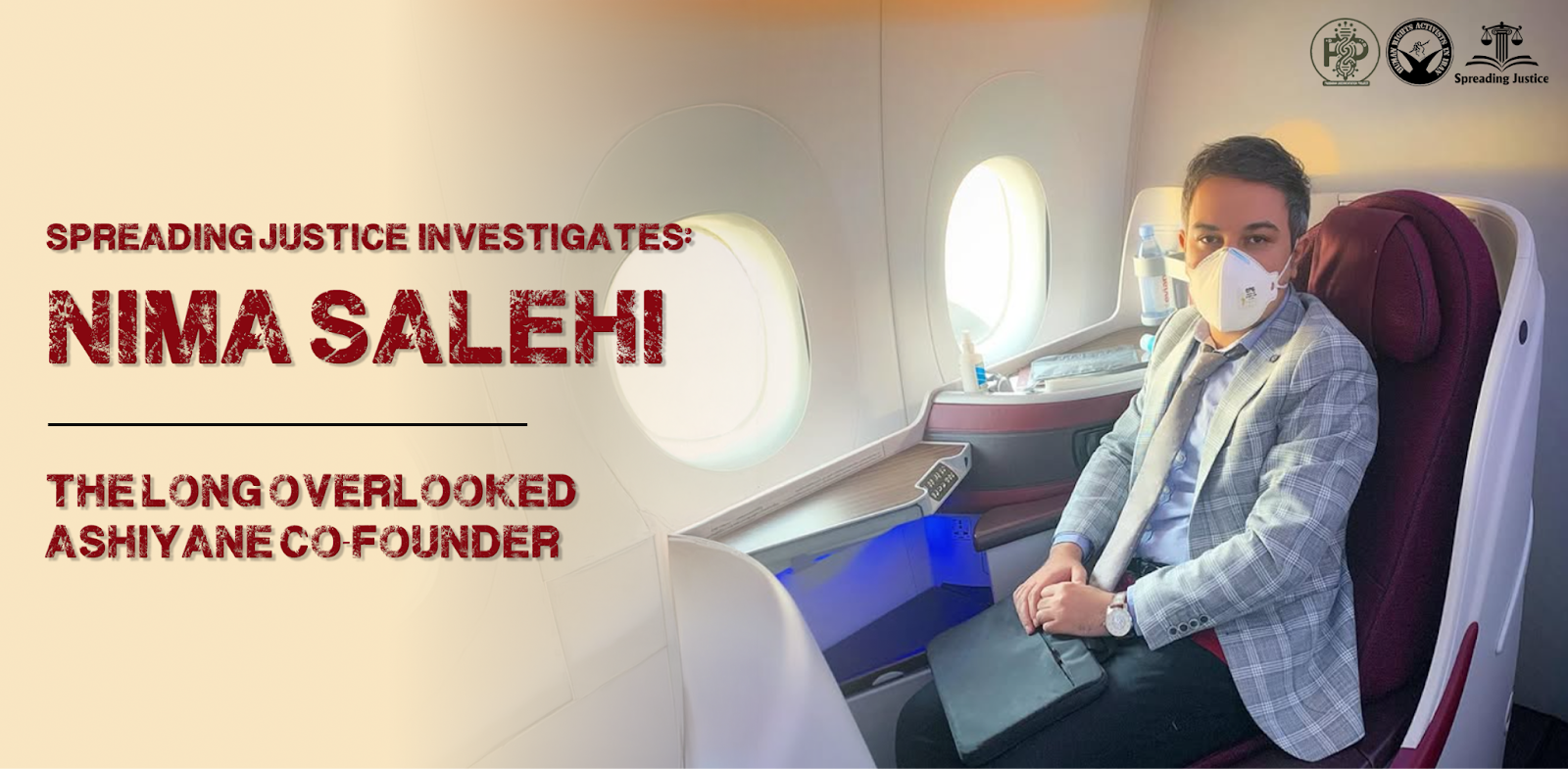
SJ Investigates: Nima Salehi, The Long Overlooked Ashiyane Co-Founder

Over the past year, HRA’s Spreading Justice project has conducted a detailed investigation into Nima (Alireza) Salehi, identified as a central but long-overlooked actor in the Islamic Republic of Iran’s cyber repression architecture. Operating under the alias Q7X, Salehi co-founded and held a senior leadership role within the Ashiyane Digital Security Team, one of the most influential cyber groups aligned with Iran’s security apparatus.

Unlike Ashiyane’s founder, Behrooz Kamalian, who has been sanctioned by multiple jurisdictions for cyberattacks supporting state repression, Salehi has never faced comparable scrutiny or accountability. Despite his documented involvement in activities enabling surveillance, censorship, intimidation, and violations of numerous human rights, he continues to benefit from unrestricted global mobility, as evidenced by his extensive travel across Europe, the United States, Asia, and Africa.

By publicly exposing Salehi’s record, Spreading Justice urges states and implementing bodies to address this critical blind spot and to take immediate action to prevent individuals and entities that currently or previously facilitated digital repression from operating freely across borders.

WHAT IS ASHIYANE?

Ashiyane, meaning “nest” in Persian, is an Iranian hacking and security group founded in 2002 by Behrooz Kamalian. Initially, a small team of skilled hackers, it rapidly expanded into one of the most recognized and influential hacking groups in Iran. The group gained prominence through widespread website defacements, including attacks on foreign government sites, and by identifying vulnerabilities in Iranian websites, positioning itself as active in both black hat and white hat hacking.

Over time, Ashiyane built a broader cyber ecosystem, including a training center, a security company, and hosting services. Its hacking and security courses at Sharif University of Technology, later formalized into their own program, reflect the group’s role in cultivating a generation of Iranian cyber operators. Ashiyane achieved global visibility, ranking second worldwide for website defacements on Zone-H and being named “Best Hacking Team.”

HRA’s research confirms that the group maintained structural links with the IRGC and Iran’s Cyber Police (FATA). These ties shielded Ashiyane from restrictions imposed on other hacking groups. Both Kamalian (known as “Behrooz_Ice”) and Salehi (7XQ) appeared on Iranian state television as senior representatives of the Ashiyane Digital Security Team.

In interviews, including with Deutsche Welle Persian, Kamalian attempted to portray Ashiyane as an independent private group. Yet his own statements reveal deep integration with Iran’s cybersecurity and security infrastructure: Ashiyane collaborated routinely with state institutions, conducted large-scale political hacks later credited as victories of “Iran’s Cyber Army,” and provided training to authorities. Regardless of its formal status, the group functioned as an extension of the Islamic Republic’s security and propaganda apparatus.

Findings from Recorded Future and ARTICLE 19 show that Ashiyane’s cyberattacks, defacements, DDoS operations, and surveillance training were deliberate components of a broader strategy of digital repression, designed to block independent information, silence dissent, and intimidate activists and journalists. These activities directly undermined freedom of expression, privacy, access to information, and freedom of association and peaceful assembly, facilitating downstream abuses such as arbitrary arrest and ill-treatment.

A comprehensive analysis published in Insight Turkey reinforces Ashiyane’s foundational role in Iran’s cyber infrastructure. Far from signaling a decline, the group’s eventual closure highlighted how deeply embedded it had been within the state’s cyber apparatus and the broader system of digital repression it enabled.

The UK and EU, in their 2011 designations of Kamalian, captured this clearly: Ashiyane was “responsible for intensive cyber attacks both on domestic opponents and reformists and foreign institutions,” assisting the regime’s crackdown that involved numerous serious human rights violations.

WHO IS BEHROOZ KAMALIAN?

BEHROOZ KAMALIAN

Behrooz Kamalian, known as “Behrooz_Ice,” is widely recognized as the leading figure behind the Ashiyane Digital Security Team. Rising to notoriety in the mid-2000s through high-profile website defacements, he played a central role in developing Iran’s offensive cyber capabilities. Although he publicly minimized Ashiyane’s size, he acknowledged participating in politically motivated cyberattacks against American, European, and Israeli targets and maintaining cooperation with Iranian governmental and military institutions.

Iranian state-affiliated outlets attributed to him the hacking of hundreds to thousands of foreign websites in various campaigns. Cyber intelligence firms outside Iran consistently identify Kamalian as a pivotal actor in Iran’s hacker ecosystem.

In June 2018, his forum was permanently shut down, and reports surfaced of his potential arrest or the closure of Ashiyane’s office. Kamalian was sanctioned by the European Union on October 10, 2011, for his leading role in cyberattacks aimed at suppressing dissent during the post-election unrest, and was subsequently added to the United Kingdom’s consolidated sanctions list.

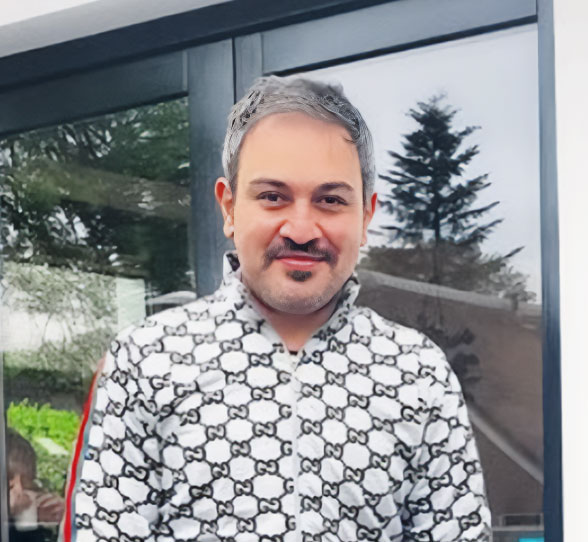
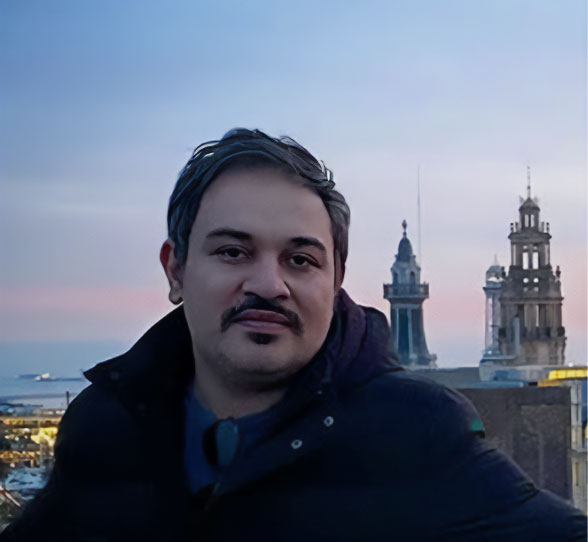
WHO IS NIMA (ALIREZA) SALEHI?

Nima Salehi, born November 24, year unknown, also known as Alireza Salehi, is an Iranian hacker and computer engineer who co-founded and served as the deputy leader of the Ashiyane Digital Security Team. A Blogfa post dated August 21, 2011, confirms he has used multiple names for more than a decade. Salehi studied computer security at the Alborz Technical and Engineering Institute.

Although he appeared openly in state media alongside Kamalian, Salehi has managed to avoid public scrutiny, sanctions designations, and accountability measures that targeted others in the same network. He remains a key figure who has operated in plain sight, bypassing the consequences faced by his counterparts.

OPEN SOURCE PROFILES AND DIGITAL FOOTPRINT

HRA’s research identifies several active or traceable online profiles associated with Salehi that illustrate his continued visibility and transnational movement. Despite his role in a group tied to state repression, he maintains accessible accounts on at least Instagram, LinkedIn, Facebook, and Telegram.

His personal profiles show extensive international travel. His LinkedIn profile reflects efforts to build a professional identity within international networks, while his Facebook account remains linked to Ashiyane’s broader digital presence. A Telegram channel associated with him, while unverified, aligns with common platforms used within Iran’s cyber ecosystem.

Together, these profiles reinforce a consistent picture: Salehi remains publicly active, connected, and unimpeded, despite his documented involvement in cyber activities that facilitated state repression.

HOW IS SALEHI ASSOCIATED WITH ASHIYANE AND BEHROOZ KAMALIAN?

HRA’s research confirms that Nima Salehi was not a peripheral operator but a central actor in Ashiyane. As co-founder, senior administrator, and Kamalian’s close operational partner, Salehi shaped both the group’s cyber activities and its extensive training programs.

Under the alias 7XQ, his name appears repeatedly in defacement logs and hacker community records linked to Ashiyane’s operations. ARTICLE 19 documents that both Kamalian and Salehi taught “Hacking and Security” courses at Sharif University of Technology and later directed broader training programs, contributing directly to the development of Iran’s cyber capabilities.

Salehi’s public appearances with Kamalian on Iranian state television further confirm his senior role. Despite this visibility, he has managed to avoid the sanctions and accountability measures imposed on other actors in the same network across multiple jurisdictions.

Given his documented role within Ashiyane and his partnership with Kamalian, HRA calls on implementing bodies to take immediate action to ensure that Salehi is no longer able to move freely across borders while benefiting from complete impunity.

TRAVEL HISTORY OF NIMA (AlIREZA) SALEHI AS CONFIRMED BY SPREADING JUSTICE; March 2017 – May 2025 

*Note, a larger pin denotes more frequent travel to the given location

For more information on Salehi, Ashiyane, or the documented association, please contact Spreading Justice directly via the Contact Us form at https://spreadingjustice.org/contact-us/

Endnotes

  1. Spreading Justice, “Ashiyane Digital Security Team,” Spreading Justice – Human Rights Violators Database, https://spreadingjustice.org/group-violator/sj55990/
  2. Poppy Jeffery and Michael Seymour, “Iranian hacker uploads dead baby image onto Bournemouth University servers,” The Independent, 18 March 2014, https://www.independent.co.uk/student/news/iranian-hacker-uploads-dead-baby-image-onto-bournemouth-university-servers-9199261.html.
  3. ARTICLE 19, The Soft War and Cyber Tactics in Iran, ARTICLE 19 (2017), https://www.article19.org/data/files/medialibrary/38619/Iran_report_part_2-FINAL.pdf.
  4. International Institute for Counter-Terrorism, *Cyber-Terrorism Activities Report No. 4* (Oct. 1, 2013), pp. 24–31, JSTOR, https://www.jstor.org/stable/resrep09471.5.
  5.  ARTICLE 19. (2017). Tightening the net: Part 2 – The soft war and cyber tactics in Iran (33 pp.). Retrieved from https://www.article19.org/data/files/medialibrary/38619/Iran_report_part_2-FINAL.pdf
  6. Techrato, “Best hacking groups in Iran and the world,” Techrato, June 9, 2021, https://techrato.com/2021/06/09/best-hacking-groups-in-iran-and-the-world/.
  7. The MEMRI Cyber Jihad Lab, “Assessing the Computer Network Operation (CNO) Capabilities of the Islamic Republic of Iran – A Study Review” (June 24, 2015), MEMRI, https://www.memri.org/reports/assessing-computer-network-operation-cno-capabilities-islamic-republic-iran-%E2%80%93-study-review-0.
  8. DW Persian, “گروه امنیتی آشیانه یا ارتش سایبری ایران؟”, (17 September 2010) DW, https://www.dw.com/fa-ir/گروه-امنیتی-آشیانه-یا-ارتش-سایبری-ایران/a-6016017.
  9. Insikt Group, “The History of Ashiyane: Iran’s First Security Forum,” Recorded Future (January 16, 2019), https://www.recordedfuture.com/research/ashiyane-forum-history.
  10.  Ersin Çahmutoğlu, *Iran’s Cyber Power* (Ankara: Center for Iranian Studies in Ankara [İRAM], April 2021), 40 pp., https://iramcenter.org/uploads/files/irans-cyber-power_1.pdf.
  11. The MEMRI Cyber Jihad Lab, “Assessing the Computer Network Operation (CNO) Capabilities of the Islamic Republic of Iran – A Study Review” (June 24, 2015), MEMRI, https://www.memri.org/reports/assessing-computer-network-operation-cno-capabilities-islamic-republic-iran-%E2%80%93-study-review-0.
  12. Gerdab.ir, “هک 1000 سایت توسط گروه آشیانه” (9 شهریور ۱۳۸۹ / 31 August 2010), https://gerdab.ir/fa/news/1956/هک-1000سایت-توسط-گروه-آشیانه.
  13.  خبرگزاری جمهوری اسلامی ایران (ایرنا), “سایت‌های رژیم صهیونیستی توسط یک گروه ایرانی هک شد” (۲۷ شهریور ۱۳۸۸)، ایرنا، https://www.irna.ir/news/7365500/.
  14.  گرداب، «هک ۱۰۰۰ سایت توسط گروه آشیانه» (۹ شهریور ۱۳۸۹)، گرداب، https://gerdab.ir/fa/news/1956/هک-1000سایت-توسط-گروه-آشیانه.
  15.  بولتن‌نیوز، «بهروز کمالیان؛ از هک ناسا و سایت‌های اسرائیلی تا جذب فالوور برای سلبریتی‌های دوزاری» (۱۶ آبان ۱۳۹۸)، بولتن‌نیوز، https://www.bultannews.com/fa/news/638760/.
  16.  خبرگزاری جمهوری اسلامی ایران (ایرنا), “سایت‌های رژیم صهیونیستی توسط یک گروه ایرانی هک شد” (۲۷ شهریور ۱۳۸۸)، ایرنا، https://www.irna.ir/news/7365500/.
  17. European Commission, “Behrouz KAMALIAN,” EU Sanctions Tracker, designated under the Iran regime on 10 October 2011, EU financial sanctions (Regulation 2025/689), data.europa.eu, https://data.europa.eu/apps/eusanctionstracker/subjects/6594.
  18. Middle East Media Research Institute (MEMRI), “Assessing The Computer Network Operation (CNO) Capabilities of the Islamic Republic of Iran – A Study Review” (24 June 2015), MEMRI, https://www.memri.org/reports/assessing-computer-network-operation-cno-capabilities-islamic-republic-iran-%E2%80%93-study-review-0.
  19. “Council Regulation (EU) No 359/2011 of 12 April 2011 — Annexes (as in force on 31 December 2020),” *Legislation.gov.uk*, accessed 17 August 2025, https://www.legislation.gov.uk/eur/2011/359/annexes/2020-01-31.
  20. Council Implementing Regulation (EU) 2025/689 of 4 April 2025 implementing Regulation (EU) No 359/2011 concerning restrictive measures directed against certain persons, entities and bodies in view of the situation in Iran, *Official Journal of the European Union* L 2025/689 (7 April 2025), accessed 24 August 2025, https://eur-lex.europa.eu/legal-content/EN/TXT/?uri=OJ:L_202500689.
  21. https://www.instagram.com/stories/highlights/18133348774262759/,
  22. https://www.instagram.com/stories/highlights/17908216216300778/

Engines of Abuse: A Five-Part Series

Public and Revolutionary Prosecutors of Iran

This report marks the first in a series of five forthcoming articles published by HRA through its Spreading Justice project, dedicated to shedding light on the roles within the Iranian regime that enable and sustain serious human rights violations, as well as violations of international law. The Spreading Justice database currently contains over a thousand profiles of individuals and entities implicated in systematic violations. This series aims not only to highlight who these individuals are and how the Spreading Justice project has documented their behavior, but also to examine how and why the positions they occupy perpetuate the entrenched cycle of repression and abuse. The series is published in the hope that a deeper understanding of the system of abuse will support ongoing efforts to hold Iran accountable and will also help shape recommendations for urgent reform.

Understanding the role of the Public and Revolutionary Prosecutor in Iran

The prosecutor serves as the representative of society before the court, with key responsibilities that include issuing indictments and overseeing the enforcement of judicial punishments[1]. He also supervises investigations and exercises administrative oversight over the implementation of judgments, meaning his deep involvement in the many cases marked by fair trial violations is inherent to the role.

Organizational Structure of the Prosecution Office

Prosecutors in Iran are generally classified into three levels based on their position and hierarchy, as follows

  • Prosecutor General

  • Provincial Capital Prosecutor, for example, Ali-Akbar Alishah, see Spreading Justice profile here

  • County Prosecutor, for example, Mehdi Amadeh, see Spreading Justice profile here


Each of these prosecutors is responsible for supervising the actions of their subordinate prosecutors:

  • The Prosecutor of the provincial capital county supervises county prosecutors within that province.
  • The Prosecutor General supervises all prosecutors nationwide

Duties of the Prosecutor

All activities within the prosecutor’s office are carried out under the prosecutor’s supervision. The prosecutor’s judicial responsibilities are organized into several main categories, including:

  1. Handling offenses involving public rights and interests
    Offenses that concern public rights or interests do not require a private complainant. For instance, certain violations tied to public order or decency are pursued by prosecutors without the need for a private complaint, with both administrative and criminal dimensions. In such cases, the prosecutor holds the authority to initiate proceedings and ensure the matter is addressed.

  2. Handling complaints of pardonable (private) offenses at the victim’s request
    These offenses are pursued only if the victim files a complaint. Once the complaint is submitted, the prosecutor is obligated to take action and address the matter.[2]

  3. Issuing Indictments
    A core responsibility of the prosecutor is to prepare and issue an indictment. In Iran’s mixed system, the prosecutor directs the investigation, while the investigating judge conducts interrogations and oversees evidence gathering. Once the investigating judge submits the report confirming that the investigation is complete and the accused has been informed of the charges, the prosecutor drafts the indictment and submits it to the court to initiate the trial.[3]

Oversight of Punishment Enforcement

According to the regulations on the implementation of punishments such as hadd penalties, capital punishment, limb amputation, qisas (retribution in kind) for life and limb, injury compensation (diyat), flogging, exile, banishment, compulsory residence, and prohibiting residence in particular areas[4]:

  • According to Article 31[5], punishments involving capital punishment, stoning, qisas for limb, and limb amputation are carried out under the continuous and direct supervision of the prosecutor.
    According to Article 15[6], in cases where a sentence has been issued for public execution at a designated location, if the court has not specified the area, the place of execution is determined by the proposal of the criminal sentence enforcement judge and the approval of the prosecutor.

Case Study: Isfahan House

A striking example of the Prosecutor’s conduct can be seen in the actions of the Public and Revolutionary Prosecutor of Isfahan County, Seyed Mohammad Mousavian[7]. Acting in his official capacity, Mousavian issued the indictment against the defendants in the Isfahan House case[8] following the nationwide protests of 2022. This indictment ultimately led to the executions of Saleh Mirhashemi, Majid Kazemi, and Saeed Yaghoubi.

The executions were carried out despite the release of an audio file[9] in which Majid Kazemi made clear that he had been tortured, threatened, and subjected to sexual abuse during interrogation. These coerced confessions, extracted in flagrant violation of both Iranian law and international human rights standards, became the foundation for the indictment and subsequent death sentences.

By relying on statements obtained through torture, the prosecutor not only failed in his duty to uphold justice but also actively contravened one of his most fundamental legal obligations: to ensure that indictments are not based on evidence obtained under coercion. This conduct represents not simply a lapse in judgment but a profound violation of law, contributing directly to the wrongful and arbitrary deprivation of life. Unfortunately, this is not an isolated incident, but rather part of a broader and routine pattern in the Iranian judiciary.

Spreading Justice Information on Public and Revolutionary Prosecutors of the Past and Present

NameCurrent PositionLinkLocation
Jalal AfaghiGeneral and Revolutionary Prosecutor of Ardabil Countyhttps://spreadingjustice.org/individual-violator/sj19847/Ardabil
Ali-Akbar AlishahGeneral and Revolutionary Prosecutor of Sarihttps://spreadingjustice.org/individual-violator/sj41692/Sari
Mahmoud EspanlouGeneral and Revolutionary Prosecutor of Golestan Provincehttps://spreadingjustice.org/individual-violator/sj67398/Gorgan
Behrouz AbbasiGeneral and Revolutionary Prosecutor of Zanjan Countyhttps://spreadingjustice.org/individual-violator/sj80807/Zanjan
Abdolvahab BakhshandehGeneral and Revolutionary Prosecutor of the Capital of Ilam Provincehttps://spreadingjustice.org/individual-violator/sj60705/Ilam
Babak Mahboub AliluGeneral and Revolutionary Prosecutor of East Azerbaijan Provincehttps://spreadingjustice.org/individual-violator/sj66354/Tabriz
Mahdi BakhshiGeneral and Revolutionary Prosecutor of Kerman Provincehttps://spreadingjustice.org/individual-violator/sj59765/Kerman
Seyed Mohammad MousavianGeneral and Revolutionary Prosecutor of Isfahan Provincehttps://spreadingjustice.org/individual-violator/sj42878/Isfahan
Hasan MadadiGeneral and Revolutionary Prosecutor of Alborz Provincehttps://spreadingjustice.org/individual-violator/sj03152/Karaj
Mehdi AmadehGeneral and Revolutionary Prosecutor’s Office of Dezfulhttps://spreadingjustice.org/individual-violator/sj29158/Dezful
Alireza RezapourGeneral and Revolutionary Prosecutor of Saqqezhttps://spreadingjustice.org/individual-violator/sj77936/Saqqez
Seyed-Ali Malek-HosseiniKohgiluyeh and Boyer-Ahmad Provincial General and Revolutionary Prosecutor – Yasuj Cityhttps://spreadingjustice.org/individual-violator/sj70841/Yasuj
Iraj Jahantigh FardGeneral and Revolutionary Prosecutor of Zabolhttps://spreadingjustice.org/individual-violator/sj54053/Zabol
Moslem AlmasiGeneral and Revolutionary Prosecutor of Dorud Countyhttps://spreadingjustice.org/individual-violator/sj24392/Dorud
Mehdi MohammadiGeneral and Revolutionary Prosecutor of Shahriar Countyhttps://spreadingjustice.org/individual-violator/sj84171/Shahriar
Hossein MajidiGeneral and Revolutionary Prosecutor of West Azerbaijan – Urmiahttps://spreadingjustice.org/individual-violator/sj69585/Urmia
Jafar SedighiGeneral and Revolutionary Prosecutor of Sabzevarhttps://spreadingjustice.org/individual-violator/sj39390/Sabzevar
Mohammad JabbariGeneral and Revolutionary Prosecutor of Kurdistan Provincehttps://spreadingjustice.org/individual-violator/sj67273/Sanandaj
Mehdi ShamsabadiGeneral and Revolutionary Prosecutor of Sistan and Baluchestanhttps://spreadingjustice.org/individual-violator/sj96508/Zahedan
Mohammad Movahedi AzadAttorney General of the countryhttps://spreadingjustice.org/individual-violator/sj38604/Tehran
Sadegh Jafari ChegeniGeneral and Revolutionary Prosecutor of Center of Khuzestan Province, Ahvaz Countyhttps://spreadingjustice.org/individual-violator/sj97277/Ahvaz
NamePrevious PositionCurrent PositionLinkLocation
Ebrahim AnsariFormer General and Revolutionary Prosecutor of Lahijan CountyDeputy for Judicial Affairs of the Head of the General and Revolutionary Courts of Rasht County  https://spreadingjustice.org/individual-violator/sj76989/Rasht
Seyed Mahdi FalahmiriGeneral and Revolutionary Prosecutor of Gilan provinceJudicial Deputy of the Gilan Province Judiciaryhttps://spreadingjustice.org/individual-violator/sj05101/Rasht

Mehrab Pourakbar
General and Revolutionary Prosecutor of Mahabad
Unknown
https://spreadingjustice.org/individual-violator/sj51073/
Unknown
Hassan Khanjani MovagharFormer General and Revolutionary Prosecutor of Hamedan ProvinceUnknownhttps://spreadingjustice.org/individual-violator/sj94718/Unknown
Akbar SobhaniFormer General and Revolutionary Prosecutor of Bandar Anzali CityUnknownhttps://spreadingjustice.org/individual-violator/sj70283/Unknown
Esmail MolakarimiFormer General and Revolutionary Prosecutor of Babol CityUnknownhttps://spreadingjustice.org/individual-violator/sj50244/Unknown
Mohammad Reza EbrahimiFormer General and Revolutionary Prosecutor of Nowshahr CityUnknownhttps://spreadingjustice.org/individual-violator/sj49953/Unknown
Yar Mohammad Resalati KhahFormer General and Revolutionary Prosecutor of Izeh CityHead of the Justice Department of Ramshir County  https://spreadingjustice.org/individual-violator/sj82195/Ramshir
Rabiullah GhorbaniFormer General and Revolutionary Prosecutor of Markazi provinceChief Justice of the Public and Revolutionary Courts of Tehran Province  https://spreadingjustice.org/individual-violator/sj04363/Tehran
Hossein RajabiFormer General and Revolutionary Prosecutor of Qazvin ProvinceUnknownhttps://spreadingjustice.org/individual-violator/sj27198/Unknown
Ali HassanpourFormer General and Revolutionary Prosecutor of Bushehr provinceAssistant Prosecutor of the Supreme Court’s Prosecutor’s Office  https://spreadingjustice.org/individual-violator/sj04196/Tehran
Alireza Ahmadi ManeshFormer General and Revolutionary Prosecutor of Hormozgan ProvinceHead of the Appeals Court of Mazandaran Provincehttps://spreadingjustice.org/individual-violator/sj04655/Sari
Mohammad-Hossein DoroudiFormer General and Revolutionary Prosecutor of Khorasan Razavi ProvinceUnknownhttps://spreadingjustice.org/individual-violator/sj94338/Unknown
Mahdi MohammadiFormer General and Revolutionary Prosecutor of Amol city in Mazandaran provinceUnknownhttps://spreadingjustice.org/individual-violator/sj52571/Unknown
Mojtaba MahmoodiFormer General and Revolutionary Prosecutor of Piranshahr city in West Azerbaijan provinceUnknownhttps://spreadingjustice.org/individual-violator/sj63140/Unknown
Asghar NoeiFormer General and Revolutionary Prosecutor of Naghadeh city in West AzerbaijanUnknownhttps://spreadingjustice.org/individual-violator/sj75888/Unknown
Seyed-Mostafa BahreiniFormer General and Revolutionary Prosecutor of Fars ProvinceUnknownhttps://spreadingjustice.org/individual-violator/sj86679/Unknown

[1] IRIB News, “Who Is the Prosecutor and What Are Their Duties?,” IRIB News Agency, published 30 November 2020, https://www.iribnews.ir/fa/news/2938776/دادستانکیستوچهوظایفیدارد.

[2] Ibid

[3] Ibid

[4] Ekhtebar, “Regulation on the Implementation of Hadd Punishments, Death Penalty, Amputation, Qisas for Life and Limb, Bodily Injuries, Blood Money (Diyat), Flogging, Exile, Banishment, Mandatory Residence, and Prohibition from Residence in Certain Places,” published June 20, 2019, Ekhtebar, https://www.ekhtebar.ir/%D8%A2%DB%8C%DB%8C%D9%86%E2%80%8C%D9%86%D8%A7%D9%85%D9%87%D9%86%D8%AD%D9%88%D9%87-%D8%A7%D8%AC%D8%B1%D8%A7%DB%8C-%D8%A7%D8%AD%DA%A9%D8%A7%D9%85-%D8%AD%D8%AF%D9%88%D8%AF%D8%8C-%D8%B3%D9%84%D8%A8-%D8%AD/.

[5] Ibid

[6] Ibid

[7] Spreading Justice, “Seyed Mohammad Mousavian (Violator ID: sj42878),” Spreading Justice – Human Rights Violators Database, last updated 20 June 2025, https://spreadingjustice.org/individual-violator/sj42878/.

[8] Hrana, “Saleh Mirhashemi, Majid Kazemi and Saeed Yaghoubi Executed” published May 19, 2023. https://www.en-hrana.org/saleh-mirhashemi-majid-kazemi-and-saeed-yaghoubi-executed/.

[9] Hrana, “HRANA’s report on the ambiguous case of the defendants of the Isfahan House / Documents from the case” published May 14, 2023.
https://www.hra-news.org/2023/hranews/a-41118/.

Suspects in 1994 bombing of Buenos Aires Jewish community centre to be tried in absentia

Reported by the Guardian
Published on 26 June 2025

A judge in Argentina has ordered the trial in absentia of 10 Iranian and Lebanese nationals suspected of the 1994 bombing of a Jewish community centre in Buenos Aires, which killed 85 people.

The attack, which caused devastation in Latin America’s biggest Jewish community, has never been claimed or solved, but Argentina and Israel have long suspected Lebanon’s Shiite Hezbollah group of carrying it out at Iran’s request.

In a ruling on Thursday judge Daniel Rafecas acknowledged the “exceptional” nature of the decision to send the case to court more than 30 years after the bombing and with the suspects all still at large.

Trying them in absentia, he said, allowed to “at least try to uncover the truth and reconstruct what happened”.

On 18 July 1994, a truck laden with explosives was driven into the Argentine Israelite Mutual Association (AMIA) and detonated.

No one has ever been arrested over the attack, the deadliest in Argentina’s history, which injured more than 300 people.

The 10 suspects facing trial are former Iranian and Lebanese ministers and diplomats for whom Argentina has issued international arrest warrants.

Since 2006 Argentina had sought the arrest of eight Iranians, including then-president Ali Akbar Hashemi Rafsanjani, who died in 2017.

Iran has always denied any involvement and refused to arrest and hand over suspects.

Thursday’s ruling on trying them in absentia is the first of its kind in the South American country.

Until March this year, the country’s laws did not allow for suspects to be tried unless they were physically present.

It comes amid a new push in recent years for justice to be served over the attack, backed by President Javier Milei, a staunch ally of Israel.

Rafecas said a trial in absentia was justified given the “material impossibility of securing the presence of the defendants and the nature of the crime against humanity under investigation”.

In April 2024, an Argentine court blamed Hezbollah for the attack, which it called a “crime against humanity”.

It found that the attack and another on the Israeli embassy in 1992 that killed 29 people were probably triggered by the Argentine government under then-president Carlos Menem cancelling three contracts with Iran for the supply of nuclear equipment and technology.

The court did not however manage to produce evidence of Iran’s involvement.

The Inter-American Court of Human Rights in San José, Costa Rica, last year found the Argentine state responsible for neither preventing nor properly investigating the attack.

It also blamed the state for efforts to “cover up and obstruct the investigation”.

The former president Cristina Fernández de Kirchner has been ordered to stand trial over a memorandum she signed with Iran in 2013 to investigate the bombing.

The memorandum, which was later annulled, allowed for suspects to be interrogated in Iran rather than Argentina, leading Fernández to be accused of conspiring with Tehran in a cover-up.