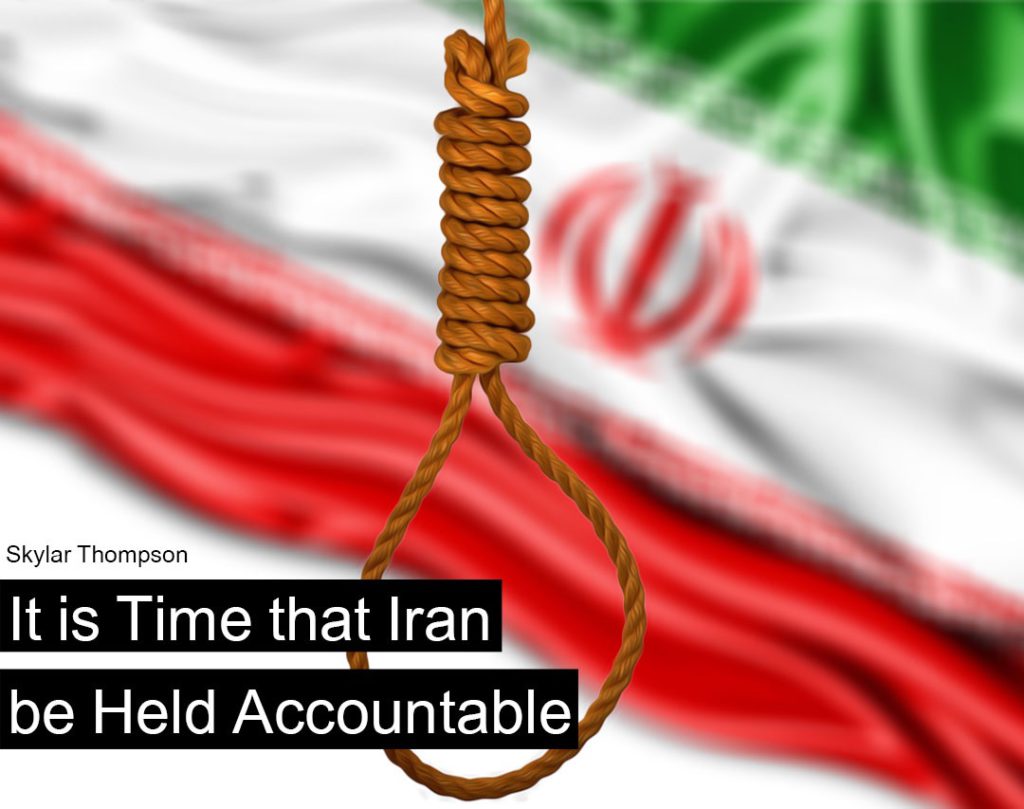

The New York Times – Protests fueled by deepening economic hardship have swept Iran for more than a week, as soaring inflation has driven frustrated traders and university students into the streets of major cities, including the capital, Tehran.
The demonstrations are the biggest in Iran since 2022, when the death of 22-year-old Mahsa Amini in police custody set off fierce anti-government protests, observers and human rights groups say. The current protests, however, have not reached the same scale or intensity as those that followed the death of Ms. Amini, who was detained for violating the country’s hijab rules.
But the protests are drawing scrutiny abroad. On Friday, President Trump said the United States would come to the aid of protesters in Iran if the government used lethal force against them. His comments came a day after reports from Iranian state media that at least one person had been killed in clashes between protesters and security forces. Iranian officials swiftly responded, saying they will act on any interference from the United States, including potentially targeting American bases and forces in the region.
On Saturday, Iran’s supreme leader, Ayatollah Ali Khamenei, called the protesters’ grievances “valid” but accused external forces of trying to exploit them to destabilize the country.
Why are people protesting?
How intense are the protests?
How have officials reacted so far?
The post What to Know About the Protests in Iran appeared first on Human Right Activists In Iran.