
Mezha – In the last 24 hours, there have been at least 104 strikes against Iran across 19 provinces, resulting in 31 people killed or injured, according to data from the human rights organization HRANA, released on March 3.
According to rights groups, during the latest reporting period 15 civilians and 12 military personnel were killed; other casualties are being clarified. Since the start of the conflict on February 28, HRANA has documented 1,097 deaths among civilians and 5,402 injuries, including among children. The group also reported strikes that damaged military bases, medical facilities, and residential areas across the country.
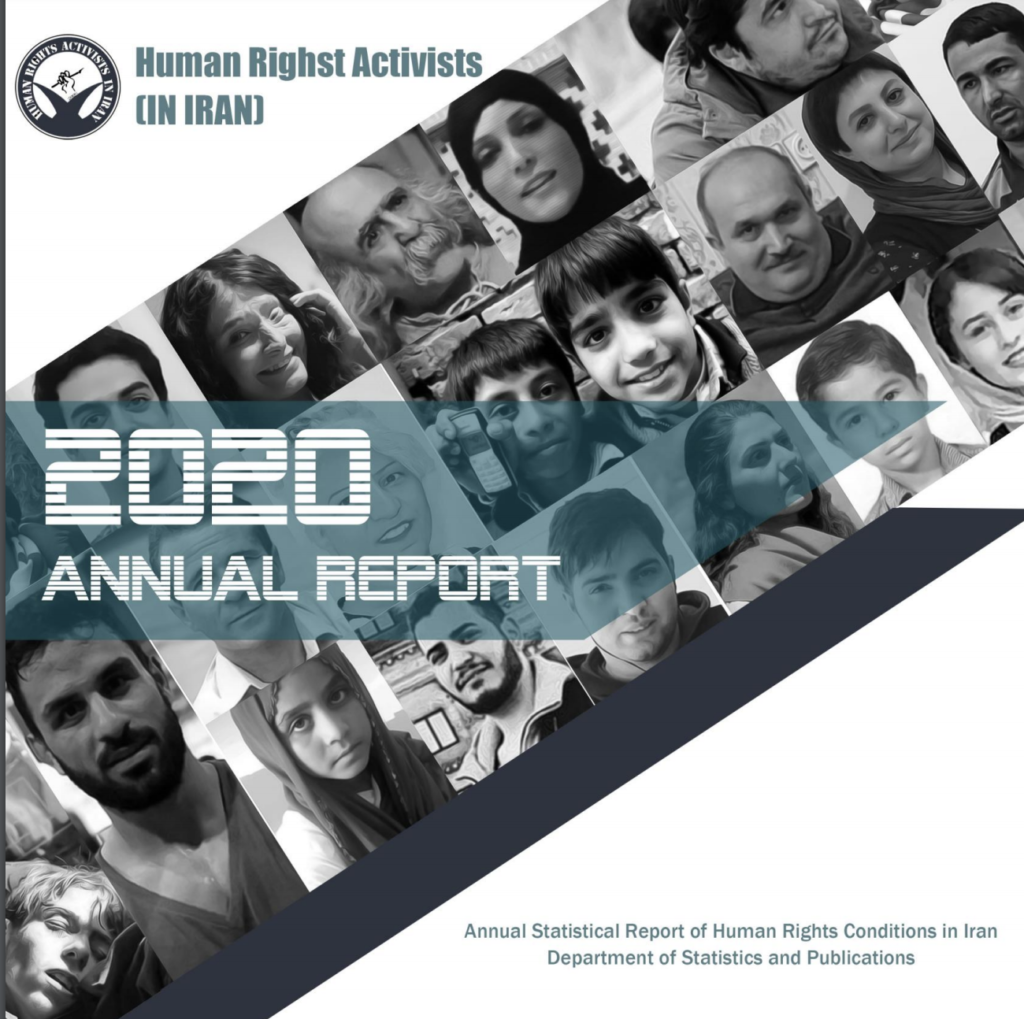
HRANA, the information agency of the US-based human rights organization “Human Rights Activists in Iran,” tracks human rights abuses and the consequences of the conflict through a network of local sources and open-source verification.
Safety of journalists and detainees
Meanwhile, the Committee to Protect Journalists (CPJ) has voiced serious concerns about the safety of media workers detained in Iran amid rising regional tensions, and urged the country’s authorities to release them immediately. CPJ reports that at least 15 journalists remain behind bars, including American and Iranian citizens, former Iran Desk journalist for Radio Free Europe/Radio Liberty Reza Valizadeh, Japanese journalist Shinnosuke Kawasami, and Mohammad Zare-Fumani, who are held in Tehran’s Evin Prison.
The report also notes that the prison is located in a district whose residents were evacuated following an order by the Israeli military, raising concerns about the detainees’ safety. CPJ also warned of an almost complete Internet shutdown and serious disruptions in communications that cut detainees off from families and the outside world.
Human rights groups and relatives have reported deteriorating conditions in Evin, including food shortages and the withdrawal of the prison administration, which heightens concerns about the detainees’ condition.
Geopolitical consequences and regional dynamics
Since February 28, the United States and Israel have been striking Iran’s military and nuclear infrastructure, as well as government buildings. U.S. President Donald Trump stated that the operation’s aim is to prevent Iran from developing nuclear weapons. Iran maintains that its nuclear program is peaceful and not aimed at weapon development.
The joint operation by the United States and Israel led to the death of Iran’s supreme leader Ayatollah Ali Khamenei and a significant number of other senior regime officials. In response, Iranian forces attacked with missiles and drones not only Israel and U.S. military targets in the region, but also many of its regional neighbors whom Tehran regards as US allies.
As a result of Iranian strikes, six U.S. service members were killed, and casualties among the region’s civilian population were recorded.
In light of these events, human rights groups emphasize the need to maintain humanitarian support for civilians and to uphold basic human rights. Such events underscore the importance of international response and accountability for the use of force in accordance with international law.
The post HRANA Documents 104 Strikes Across Iran, Casualties Rise appeared first on Human Right Activists In Iran.